


Rare Wine Sourcing Made Smarter
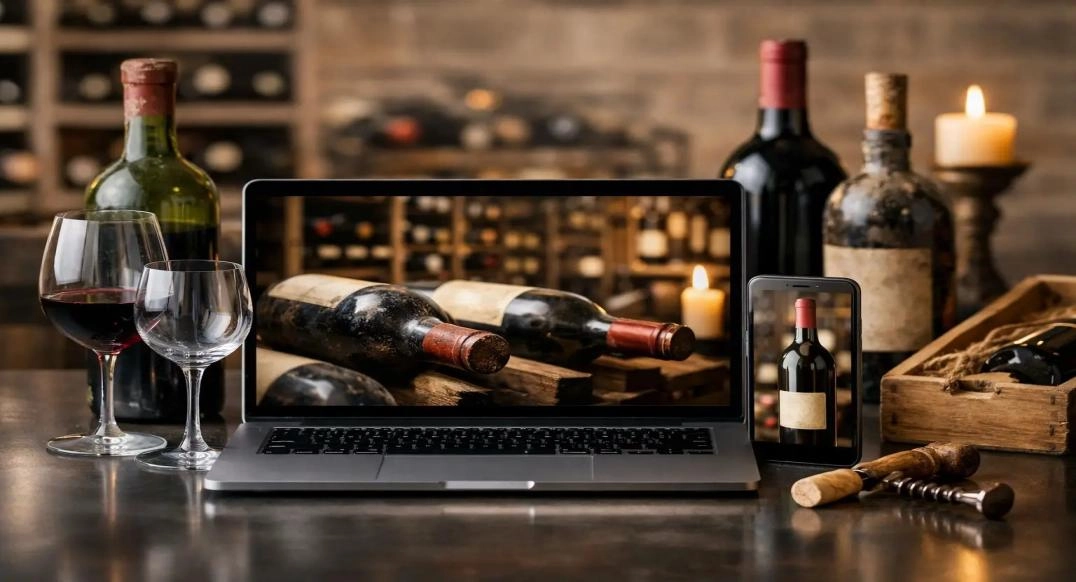
A sought-after bottle has a way of changing the mood before it is even opened. It might be the Burgundy a client has been chasing for months, the mature Champagne that turns a dinner into an occasion, or the cult Napa label that never seems to stay available for long. Rare wine sourcing is not simply about finding something expensive or hard to get. It is about finding the right bottle, in the right condition, from the right source, at the right moment.
That distinction matters more than most buyers realize. In the rare wine market, availability alone is not the story. Provenance, storage history, release timing, merchant relationships, and market demand all shape whether a bottle is worth buying at all. For collectors, hosts, and gift buyers alike, the smart move is not to chase rarity for its own sake. It is to source with discipline.
What rare wine sourcing actually means
At a glance, rare wine sourcing sounds straightforward. Someone wants a hard-to-find wine, and someone else locates it. In practice, it is far more selective than that.
A rare bottle may be limited because production was tiny, because it comes from an older vintage, or because global demand has outpaced supply. It may also be rare in a more practical sense - unavailable in your market, tightly allocated, or only traded privately. That means sourcing is part search, part vetting, and part timing.
The most experienced buyers know that rarity is not always the same as value. A bottle can be scarce and still be the wrong fit for the occasion. A first-growth Bordeaux may impress at a corporate dinner, but a beautifully mature Barolo might be the more memorable choice at a private table. Good sourcing starts with context, not labels.
Why provenance matters in rare wine sourcing
For everyday wines, buyers often focus on producer, vintage, and price. For rare wine sourcing, provenance moves to the front of the line.
Provenance is the bottle's backstory. Where has it been stored? How often has it changed hands? Was it purchased on release from a reputable merchant, or has it moved through uncertain channels? Even the finest wine can be diminished by poor storage. Heat exposure, fluctuating temperatures, compromised corks, damaged labels, and low fills all tell part of the story.
This is where trust becomes essential. The best rare wine purchases do not happen because a bottle appears online at an attractive number. They happen because someone credible has already done the screening. That can mean access to known cellars, direct relationships with importers, auction oversight, or a sommelier who understands both the producer and the seller.
There is also a practical trade-off here. The cheapest bottle is rarely the safest bottle. Buyers who chase a slight discount in the secondary market may end up paying more in disappointment. With rare wine, confidence has value.
The difference between collecting and buying for the moment
Not every rare bottle is headed for a cellar. Some are meant for a weekend celebration, a client gift, or a private dinner where the wine is part of the atmosphere as much as the menu.
That distinction changes the sourcing strategy. A collector may prioritize investment-grade labels, original wooden cases, and pristine condition for long-term holding. A buyer planning a dinner in two weeks may care more about immediate availability, drinkability, and whether the bottle fits the food and the guest list.
This is where expert guidance earns its place. The right question is not always, "Can you find this wine?" Sometimes it is, "What should I serve if I want that level of impact?" A hard-to-source bottle may be ideal, or there may be a more interesting alternative that delivers equal pleasure with less delay and less risk.
In other words, rare wine sourcing works best when it is tied to purpose. A cellar, a celebration, and a gift all call for a different lens.
How the best bottles are actually found
There is a romantic idea that rare wines are uncovered like treasure. In reality, the process is much more relationship-driven.
The strongest sourcing networks are built over time through importers, distributors, private collectors, auction channels, and trusted trade contacts. Access often depends on reputation as much as budget. Merchants who buy consistently, pay promptly, and place wines thoughtfully tend to hear about opportunities first.
That is one reason curated access matters. Buyers do not need endless choice. They need someone who knows where to look, what to avoid, and when to move quickly. A weekly auction format can also be especially useful in this space. It creates visibility around limited bottles and gives buyers a structured, transparent way to compete for wines that may never appear in standard retail.
Still, speed should not replace judgment. Auction excitement can lead people toward bottles they admire more than they actually want. The better approach is disciplined enthusiasm - know your ceiling, know your occasion, and know what condition standards you are willing to accept.
Rare wine sourcing for entertaining
Hosts often assume rare wine belongs only in collecting culture. That misses some of its best use.
A rare bottle can transform the pace of an evening. It gives guests something to gather around, discuss, and remember. It also signals care. Not extravagance for its own sake, but thoughtful selection.
The key is to avoid choosing a bottle just because it sounds impressive. A mature white Burgundy may be extraordinary, but only if it is being served correctly and alongside the right dishes. A library-release Rioja can be a smarter and more versatile dinner wine than a very young prestige bottle that still needs years to soften.
For entertaining, rare wine sourcing should focus on wines that are ready to show well now. That may mean mature vintages, benchmark producers in strong drinking windows, or limited cuvées with enough character to spark conversation without requiring a lecture at the table.
A polished service experience helps too. When buyers can ask a sommelier for pairing advice, serving temperature guidance, or a second option if their first-choice bottle is unavailable, the entire process feels less like a transaction and more like hospitality.
When rarity is worth paying for and when it is not
There are moments when paying a premium for rarity makes complete sense. Milestone birthdays, important gifts, cellar-building goals, and collector verticals are obvious examples. In these cases, emotional value and long-term significance matter as much as market logic.
But there are also times when rarity is overpriced theater. Labels with social cachet can command a premium far beyond their drinking pleasure, especially when demand spikes around trends or restaurant buzz. Buyers should be honest about what they are paying for: quality in the glass, bragging rights, or both.
Neither motivation is wrong. The key is clarity. If the objective is to impress, there may be more efficient ways to do it. If the objective is to experience something genuinely scarce and special, then the premium may be entirely justified.
A trusted advisor can help draw that line. Sometimes the best recommendation is the bottle everyone is asking for. Sometimes it is the bottle sophisticated drinkers wish they had asked for sooner.
A more modern way to source rare wine
Rare wine sourcing used to feel closed-off, almost clubby. You needed the right merchant, the right introduction, or the patience to work through old-school channels. That has changed.
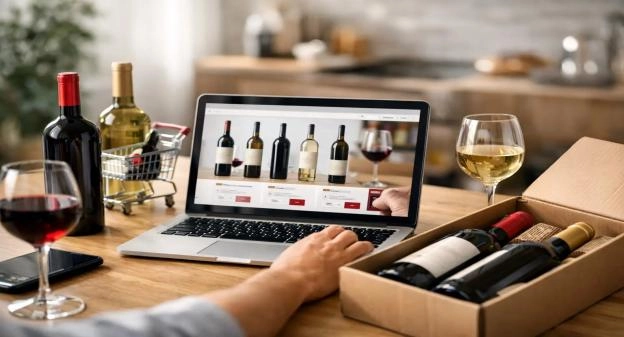
Today, a more personal digital model can be better suited to the category than a traditional store floor. Direct access to a sommelier, responsive sourcing support, curated auctions, and delivery all make the process faster and more tailored. Instead of browsing shelves and hoping for luck, buyers can describe the moment they are shopping for and receive informed options that fit.
That is especially useful in a market where one great bottle can disappear in hours. A digitally led, concierge-style experience allows for agility without sacrificing standards. Vinoteca Cayman reflects that shift well - less clutter, more curation, and a stronger sense that someone is actually looking after the details.
The best rare bottle is not always the one with the loudest reputation or the highest price tag. It is the one that arrives with a story you trust, suits the moment perfectly, and earns its place at the table. When sourcing is done well, rare wine feels less intimidating and far more rewarding. And that is when the search becomes part of the pleasure.
Related Blogs

Wine Tasting for Groups That Feels Effortless
Why a WhatsApp Sommelier Service Works
How to Plan a Wine Dinner That Flows
How to Gift Premium Wine Well

How to Host Wine Night With Style
The Future of Online Wine Retail

Guide to Rare Wine Auctions for Smart Buyers