

How to Plan a Wine Dinner That Flows
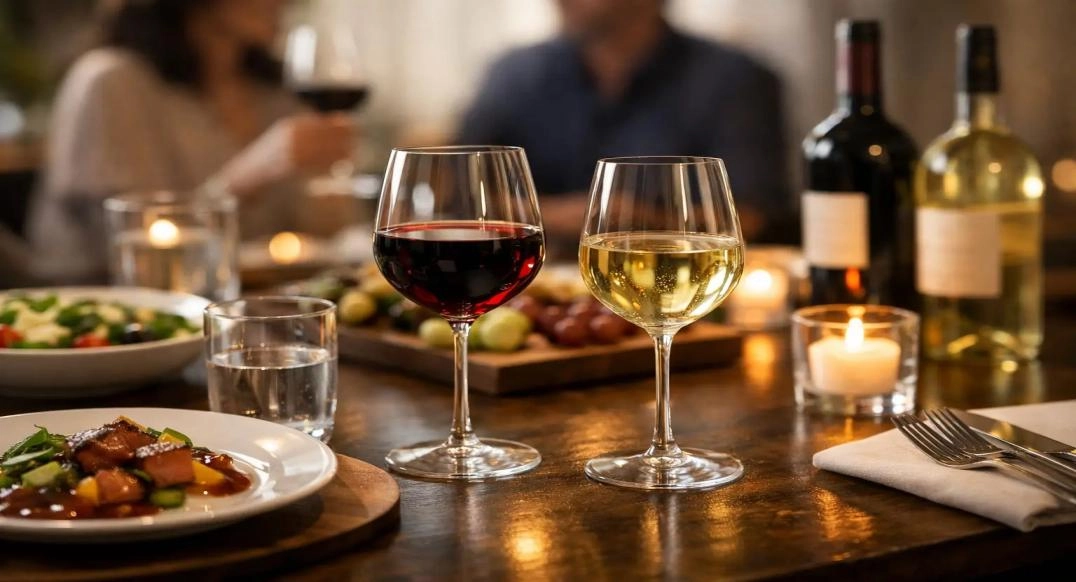
The difference between a pleasant dinner and a memorable wine dinner usually comes down to one thing: pacing. Not just what you pour, but when, why, and how each bottle fits the evening. If you are wondering how to plan wine dinner without making it feel stiff, overcomplicated, or overly ambitious, start by thinking like a host, not a sommelier. The goal is not to impress people with obscure labels. It is to create an experience that feels thoughtful, relaxed, and beautifully put together.
How to plan wine dinner starts with the guest list
Before you choose a single bottle, decide who the dinner is for. A wine dinner for six close friends looks very different from a corporate table of twelve or a birthday celebration with mixed tastes and varying confidence around wine. The right plan depends on your guests' comfort level, how long you want the evening to last, and whether the wines or the food will take the lead.
If your group is curious but not deeply wine-focused, keep the structure elegant and simple. Three wines across three courses is often enough. If your guests enjoy discussing what is in the glass, you can stretch to four or five pours, but only if the meal has enough rhythm to support it. More wine does not always make for a better evening. In fact, too many bottles can flatten the experience and blur the details that made each pairing special.
This is also the moment to think about practical constraints. Dietary preferences, spice tolerance, and the time your guests will arrive all influence the final shape of the dinner. A wine-first concept with tiny courses can feel polished and modern, but it may leave hungry guests checking the clock. A generous meal with carefully chosen pairings usually lands better for a social home setting.
Build the evening around one clear idea
The easiest way to make a wine dinner feel intentional is to give it a point of view. That does not mean a rigid theme with costume-level commitment. It means a simple thread that ties the menu and wines together.
You might center the dinner around one region, such as Italy or California. You might choose one style, such as fresh whites and elegant reds for warm-weather dining. Or you might build around an occasion - a celebratory dinner, a romantic table, a collector's evening, or a relaxed Sunday lunch that leans into rosé and seafood.
A theme helps you edit. That matters because one of the biggest hosting mistakes is trying to do too much. Champagne, orange wine, Napa Cabernet, vintage Port, and dessert may all sound exciting on paper, but together they can feel scattered. A tighter story usually feels more luxurious because every element appears chosen rather than added.
Shape the menu before you finalize the wines
People often start with bottles and then try to force the food around them. Unless you are opening something rare and specific, the smoother route is to sketch the menu first. Think in terms of progression: lighter to richer, brighter to deeper, delicate to savory.
A classic structure works for a reason. Begin with a welcome pour and a small bite. Move into a first course that feels fresh and focused, then a main course with more depth, and finish with either cheese or dessert. You do not need a five-course restaurant format to create a polished wine dinner. Three courses plus a welcome glass is often the sweet spot.
The menu should also respect your capacity as a host. If you will be cooking yourself, avoid dishes that require minute-by-minute attention during service. A braised short rib, roast chicken, whole fish, or a composed pasta course can be elegant and manageable. The best wine dinners feel effortless at the table, even when they required planning behind the scenes.
How to plan wine dinner pairings without overthinking them
Pairing wine with food is less about memorizing rules and more about matching weight, acidity, texture, and intensity. Start there, and you will make better choices than if you chase textbook pairings alone.
A bright sparkling wine or mineral-driven white is an easy opening move because it wakes up the palate and suits a wide range of appetizers. For first courses, think about freshness. Crudo, oysters, citrus-dressed salads, goat cheese, or lightly grilled vegetables all benefit from wines with lift and precision.
As the meal moves forward, the wines should gain depth, but not necessarily power. This is where hosts often overshoot. A heavier red is not automatically the right choice for a main course if the dish is refined or subtly flavored. Pinot Noir can outperform a bold Cabernet with duck, salmon, mushroom dishes, or herb-roasted poultry. Likewise, a textured white can be more compelling than red wine with lobster, creamy pasta, or truffle-forward plates.
Sauce matters as much as protein, sometimes more. A filet with peppercorn sauce wants a different wine than filet with chimichurri. A creamy mushroom risotto calls for a different bottle than a tomato-based pasta. If you remember one thing, let it be this: pair to the strongest flavor on the plate.
Dessert deserves honesty. If you are not serving a truly wine-friendly dessert, skip the sweet pairing and end with cheese, a final savory course, or a digestif afterward. Dry wine next to sweet dessert rarely flatters either.
Get the quantity right
Underbuying creates stress. Overbuying can make the evening feel excessive. For most seated wine dinners, plan on half a bottle per person across the full meal, then add a margin depending on the group. If your guests are enthusiastic wine drinkers and the evening is leisurely, that number may edge higher. If the pours are structured and the dinner is shorter, it may be slightly less.
For six guests, four to five bottles total often works well for a multi-course dinner. That could mean one sparkling, one white, and two reds, with an optional dessert wine or extra bottle of the most versatile pour. Larger groups usually benefit from fewer wine changes, not more. Serving ten people two excellent wines generously can feel smarter than stretching across five labels with tiny pours.
Serving temperature matters more than many hosts realize. Most whites show better cool, not ice-cold. Most reds show better slightly below room temperature, especially in warm climates. If a red feels alcoholic or heavy, it is often too warm. If a white seems muted, it may be too cold.
Think about glassware, sequence, and timing
A graceful wine dinner depends on flow. You do not need a separate glass for every course, but you do need clean, appropriate stemware and a serving plan that avoids clutter. If you have enough glasses to give each guest one for white and one for red, that is ideal. If not, rinse between courses and keep the pacing steady.
Open wines ahead of time when needed. Sparkling and crisp whites can stay chilled until service. Young reds often benefit from air, either in the bottle or a decanter. Older bottles require a gentler approach. If you are serving something special, taste it before guests arrive. Surprises are charming in conversation, not in corked wine.
Timing at the table should feel relaxed but intentional. Avoid long gaps between courses, especially if guests are drinking on an empty stomach. Have water on the table from the start. Offer bread if the first course is delayed. Little details like this make the evening feel cared for.
Lighting, music, and table setting matter too, but only when they support the experience rather than compete with it. A beautiful wine dinner is usually quieter than people expect. Good glassware, flattering light, a composed table, and room for conversation do more than theatrical centerpieces ever will.
Let the wines guide the conversation, not dominate it
Guests appreciate context, but they do not need a lecture before every sip. A brief introduction to each wine is enough: what it is, why you chose it, and what to notice with the dish. Keep it light, specific, and social.
This is especially true if your guest list includes a mix of enthusiasts and casual drinkers. The most successful hosts make everyone feel included. That means creating room for preference. Not everyone will love the same bottle, and that is part of the fun. A wine dinner is not a test. It is a shared experience built around taste, mood, and discovery.
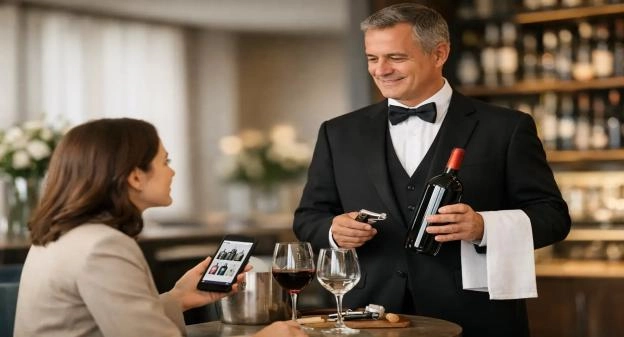
If you want the evening to feel especially polished, get expert input before you shop. A curated recommendation is often the difference between a dinner that works and one that really sings. For hosts who want confidence without second-guessing every bottle, that kind of guidance can save time and raise the standard at the same time.
At Vinoteca Cayman, we see this often: the best wine dinners are rarely the most complicated ones. They are the ones where the wines suit the food, the host stays present, and guests leave already talking about the next table.
Plan with intention, edit with confidence, and leave a little room for spontaneity. That is usually where the evening becomes memorable.
Related Blogs
How to Gift Premium Wine Well
How to Host Wine Night With Style
The Future of Online Wine Retail
Guide to Rare Wine Auctions for Smart Buyers
10 Best Wines for Dinner Parties
Premium Wine Delivery Guide for Better Buying
What a Wine Concierge Service Really Does