


Guide to Rare Wine Auctions for Smart Buyers
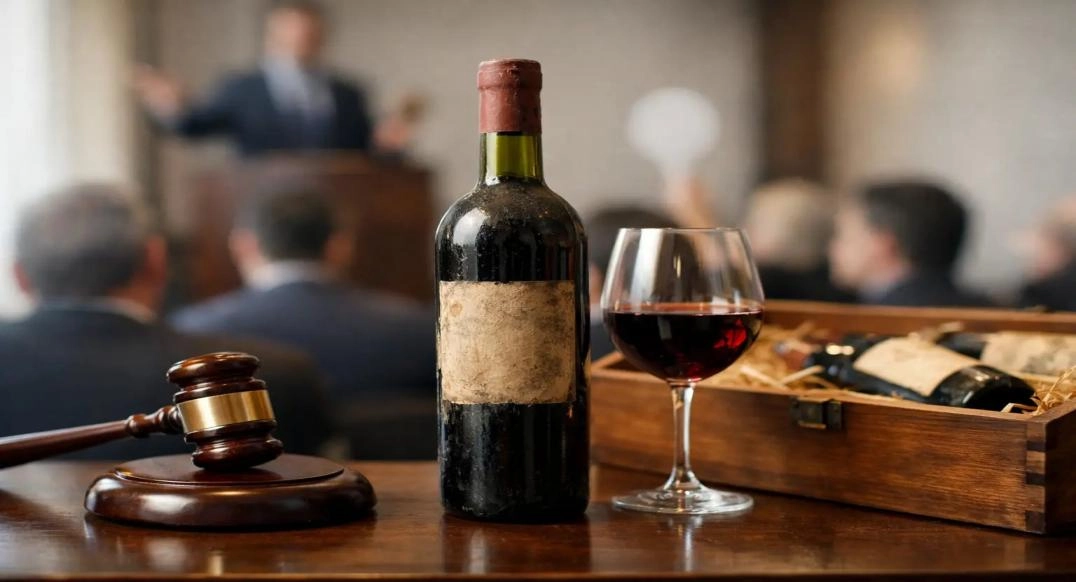
A rare bottle can stir up all the right emotions - curiosity, excitement, maybe a touch of competitive instinct. That is exactly why a guide to rare wine auctions matters. Auctions can be thrilling, but they also reward discipline. The buyers who do well are not always the ones with the biggest budgets. They are usually the ones who know what they are looking at, what they are willing to pay, and when to step back.
For many wine lovers, auctions open a door that retail simply cannot. Mature vintages, limited releases, large-format bottles, and cellar collections with real provenance often appear there first. The appeal is obvious. So is the risk. Condition varies, pricing can run ahead of reason, and the pressure of live bidding can blur judgment quickly. A good auction strategy keeps the experience enjoyable and protects you from expensive enthusiasm.
Why rare wine auctions attract serious buyers
The biggest draw is access. If you want a current-release Champagne or a widely available Napa Cabernet, retail is usually the cleaner route. But if you are looking for first-growth Bordeaux with age, older Burgundy from top producers, or a hard-to-find Italian icon in pristine condition, auctions can be one of the few places where those bottles still surface.
There is also the element of discovery. Auctions often reveal private cellars shaped by personal taste, travel, and years of careful buying. That means you may find verticals, original wooden cases, or vintages that no longer appear in standard channels. For collectors, that is compelling. For dinner hosts and gift buyers, it can be a chance to secure something that feels genuinely memorable rather than simply expensive.
Still, rarity alone does not make a bottle worth bidding on. Some wines are scarce because they were never great to begin with. Others are famous enough to attract inflated bids even when storage history is unclear. The smart buyer treats rarity as one factor, not the whole story.
A practical guide to rare wine auctions before you bid
The best preparation starts well before auction day. First, decide what kind of buyer you are for this purchase. Are you buying to drink in the next year, hold for a milestone dinner, give as a gift, or build a collection? That answer changes everything. A buyer seeking near-term drinking pleasure may prefer excellent mature Rhône or Rioja over a young trophy bottle that needs another decade.
Next, narrow your target. It is far easier to bid well when you have two or three producers, regions, or vintages in mind. Broad interest creates impulse bidding. Specific interest creates better decisions. If you know you want mature Barolo from a strong vintage or top grower Champagne with proper provenance, you will read listings more carefully and compare value more intelligently.
Budget deserves more attention than most buyers give it. At auction, the winning bid is not the final number. There may be buyer's premiums, taxes, storage charges, and shipping costs. Those extras can materially change value. A bottle that feels like a bargain in the heat of bidding may look far less attractive once the full cost is clear.
How to read a wine auction listing
Auction catalogs can look polished, but polished is not the same as complete. Start with the producer, vintage, bottle size, and quantity, then focus on condition details. Fill level matters, especially for older wines. A low fill in a mature Bordeaux may be acceptable depending on age, but it can also signal poor storage or seepage. Label condition matters less for drinking than collecting, yet serious damage can hint at rough handling.
Provenance is where experienced buyers spend real time. Ideally, the wine comes from a known source, has been professionally stored, and has not moved through too many hands. Original cases can add confidence, though they are not a guarantee. If the listing is vague about storage history, assume that uncertainty should be reflected in your bid.
Some houses are more detailed than others. The stronger ones describe ullage, capsule condition, label wear, and cellar origin with precision. That level of transparency is worth a premium because it reduces guesswork. If information feels thin, the wine may still be good, but your margin for error is smaller.
Price, value, and the danger of auction adrenaline
One of the easiest mistakes in rare wine auctions is confusing market excitement with value. A famous producer, a celebrated vintage, and a countdown clock can push prices upward fast. That does not mean the wine is a smart buy at that level.
The more useful question is whether the bottle is fairly priced for its condition, provenance, and drinking window. A pristine bottle from a top cellar may deserve a strong premium. A similar bottle with weaker documentation should not. Likewise, a wine approaching peak maturity may be more attractive than a younger, more collectible bottle if your goal is to enjoy it soon.
Set a ceiling before the auction starts, and make it final. Not flexible. Not mostly final. Final. If bidding goes beyond it, let it go. Another bottle will come along. This is one of the hardest disciplines in the room, especially when a wine feels personal, but it is where good auction buying really begins.
What to buy if you are new to wine auctions
If you are new, start with categories that offer a little more pricing clarity and a little less fragility. Bordeaux, Champagne, and top Rioja can be more forgiving entry points than older Burgundy, where provenance and bottle variation often carry more risk. That does not mean avoiding Burgundy altogether. It means understanding that some regions demand more confidence and more scrutiny.
Look for wines with established secondary-market demand and a clear reputation for aging well. That gives you more reference points on price and performance. It also makes it easier to decide later whether to drink, hold, or resell. Lesser-known gems can be wonderful buys, but they are often best pursued once you are comfortable reading condition notes and recognizing where discounts are justified.
Large formats can also be interesting, especially for entertaining. A magnum of top Champagne or Bordeaux can feel special in a way standard bottles sometimes do not. Just remember that format affects both price and future practicality. A large bottle is ideal for a celebration, less so for a quiet Tuesday dinner.
Bidding strategy that keeps you sharp
There is no prize for entering early. In many auctions, calm timing matters more than theatrics. Watch the lot, know your limit, and bid without emotion. If the platform allows absentee bids, they can be useful because they reduce the temptation to keep stretching in real time.
Pay attention to patterns. If a sale is packed with blue-chip names, the headline lots may run high while adjacent producers offer better value. This is often where experienced buyers find their opportunities. They are not always chasing the bottle everyone recognizes first. They are buying the bottle that has the right credentials, the right condition, and slightly less noise around it.
If you lose a lot, that is information, not failure. It tells you where the market is moving and where your value threshold sits. Good buyers do not need to win every time. They need to win well.
When expert guidance makes the difference
Rare wine auctions reward confidence, but confidence is not the same as going it alone. A trusted advisor can help you separate an exciting listing from a genuinely strong one, especially when you are deciding between similar lots or questioning condition. That kind of guidance is often what turns an intimidating process into an enjoyable one.
This is particularly helpful if you are buying for an occasion rather than collecting for collecting's sake. The best bottle on paper is not always the best bottle for your table, your guests, or your style of entertaining. Sometimes the right answer is a less obvious wine with better maturity and stronger drinking value. Buyers who understand that usually end up happier than those who chase prestige alone.
At its best, an auction is not just a marketplace. It is a source of access, stories, and bottles that can make a dinner feel unforgettable. Approach it with taste, patience, and a clear head, and the experience becomes far more rewarding than the winning bid alone.
Related Blogs
How to Gift Premium Wine Well
How to Host Wine Night With Style
The Future of Online Wine Retail

10 Best Wines for Dinner Parties
Premium Wine Delivery Guide for Better Buying
What a Wine Concierge Service Really Does

How to Order Wine Concierge Service