


How to Host Wine Night With Style
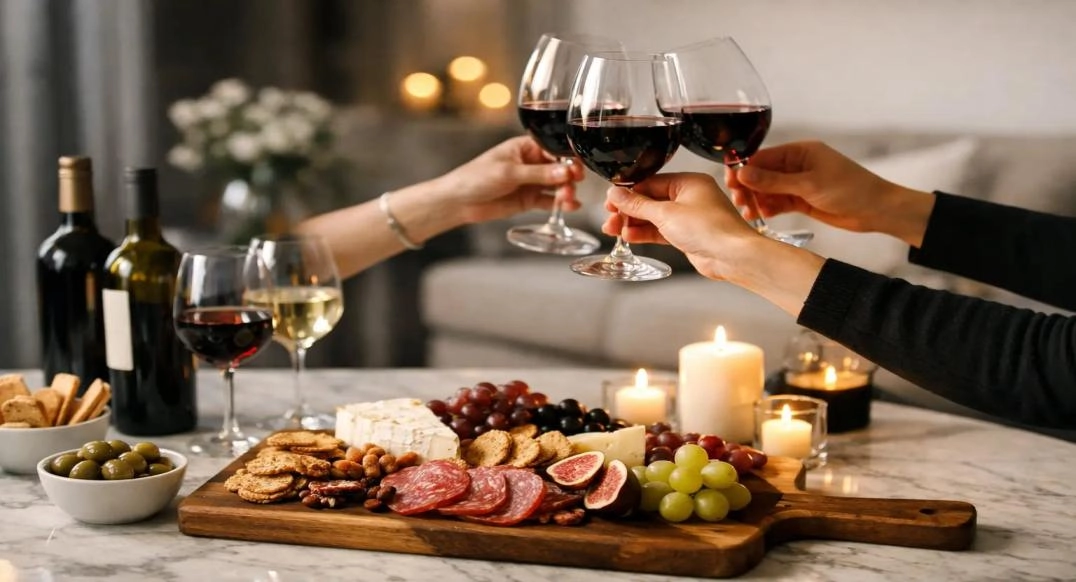
A good wine night is never about showing off the most expensive bottle on the table. It is about creating the kind of evening where guests relax quickly, conversations lengthen, and each pour feels considered. If you are wondering how to host wine night in a way that feels polished but easy, the answer is less about quantity and more about curation.
The best hosts edit well. They choose a clear theme, pour with intention, and make every detail feel simple for the guest. Whether you are inviting four close friends or hosting a larger tasting at home, a little structure goes a long way.
How to host wine night without overcomplicating it
Start with the guest list, because that determines almost everything else. A wine night for six people can feel intimate and conversational, while a group of twelve needs more rhythm and a little more planning. Smaller gatherings give you room to discuss each bottle. Larger ones work best when the wines are easy to understand and the food is effortless to serve.
Then decide what kind of night you want to host. This is where many people make things harder than they need to be. You do not need a grand concept. You simply need a point of view. That might mean all sparkling, a few benchmark reds, summer whites with seafood, or a compare-and-contrast tasting with Old World and New World styles. A theme helps guests engage with the wines and helps you shop with confidence.
If your guests are casual wine drinkers, keep the lineup approachable and varied. If they are more experienced, you can be a bit more focused. A vertical tasting or a single-grape exploration can be fun, but only if the room will enjoy it. The best choice is usually the one that makes people feel included, not tested.
Choose fewer bottles, better bottles
One of the easiest hosting upgrades is resisting the urge to buy too many wines. Four bottles for six to eight guests is often enough for a tasting-style evening, especially if you are serving food. If the event is more social than structured, add one extra bottle so the night can unfold without anyone watching the level in the glass.
Variety matters, but balance matters more. A strong lineup usually has a clear progression. Start with sparkling or a crisp white to wake up the palate. Move into something with a little more texture, then finish with fuller reds. If you are serving dessert, a sweet or fortified wine can be a memorable final note, though it is not essential.
There is also no rule that every bottle needs to be serious. In fact, a mix often works better. Include one obvious crowd-pleaser, one wine with a bit of character, and one bottle that feels like a conversation piece. That way the night feels dynamic rather than overly studied.
For hosts who want the evening to feel especially well judged, expert curation makes a difference. A retailer such as Vinoteca Cayman can help narrow the field quickly, especially when you want bottles that suit a menu, a guest profile, or a price point without endless searching.
Build the evening around pairings that are easy to serve
Food should support the wine night, not distract from it. This is where restraint pays off. A few excellent items, served at the right temperature and in generous but manageable portions, will always feel more elegant than an overcrowded table.
Cheese and charcuterie are reliable for a reason, but they work best when you add contrast. Include something creamy, something salty, something bright, and something with crunch. Soft cheeses, aged cheeses, sliced cured meats, olives, nuts, fresh fruit, and good bread cover a lot of ground without requiring you to spend the evening in the kitchen.
If you want a more substantial menu, keep it in line with the wines. Seafood crudo, roast chicken, mushroom tart, grilled vegetables, or a simple pasta can all work beautifully. What matters is avoiding dishes that overpower every bottle in the room. Very spicy food, heavy sweetness, or too much acidity can flatten a wine or make it feel awkward.
This is also where it helps to think about pacing. You do not need to serve all the food at once. Start with lighter bites for your opening wines, then bring out something richer as the reds appear. The shift gives the night shape and keeps guests engaged.
Set the table for comfort, not ceremony
Wine night should feel elevated, but not stiff. Your setup matters because it tells guests what kind of evening to expect. If you are hosting a tasting-focused night, seat everyone where they can see the bottles and hear each other easily. If it is more casual, create enough surface space for glasses, plates, and small serving dishes so no one is juggling.
Glassware is worth some attention, but perfection is not required. If you have proper wine glasses, use them. If you have different styles, choose the most versatile and keep them consistent. Guests notice comfort more than precision. The same goes for decanters, ice buckets, and napkins. Useful details read as thoughtful, not fussy.
Lighting should be warm and flattering. Music should sit in the background rather than compete with conversation. Candles are lovely, but only if they do not turn the table into a heat source for your whites. Little choices like that are what make a host look experienced.
How to host wine night with the right pacing
A rushed tasting feels clinical. A dragging one loses energy. The sweet spot is a pace that feels guided but natural.
Welcome guests with the first glass soon after they arrive. That instantly creates ease. If you are planning to talk about the wines, keep your comments brief. Share what the bottle is, why you chose it, and what to notice. Two or three sentences is plenty. Wine night should open conversation, not turn into a lecture.
Pour modestly at first. Guests can always have more of what they love, but a restrained first pour helps everyone stay fresh through the lineup. It also gives people permission to taste rather than commit. That is especially useful if you are offering wines with different styles or levels of intensity.
Water should be visible and easy to refill. This sounds basic, but it is one of the clearest signs of a considerate host. The same goes for having enough food available throughout the evening. Wine nights feel luxurious when guests are well looked after.
If you want to make the experience interactive, ask simple questions instead of testing knowledge. Which bottle would you buy again? What would you pair this with at home? Which wine surprised you? That kind of conversation keeps the tone social and confident.
Small details that make guests remember the night
Most memorable gatherings are shaped by the details guests did not have to think about. Bottles are opened at the right moment. Whites are chilled but not icy. Reds are not too warm. Empty glasses disappear before they become clutter. Nothing feels forced.
A printed tasting card can be a nice touch for a more structured evening, but it is optional. Sometimes a handwritten menu card or a small note beside each bottle is enough. The point is not performance. The point is making the experience feel considered.
You can also add one surprise element. That might be a blind pour at the end, a special dessert wine, or one bottle held back until the conversation is at its peak. A single moment of discovery can lift the whole evening.
There are, of course, trade-offs. The more wines you serve, the less attention each one gets. The more elaborate the menu, the harder it is to stay present with your guests. If your goal is connection, choose the version of wine night that leaves you free to enjoy it too.
What not to do when hosting wine night
The fastest way to drain the charm from the evening is trying too hard. Do not apologize for your selections. Do not overwhelm the table with endless bottles just to impress. And do not make guests feel as though there is a correct answer hidden in each glass.
It is also wise to avoid extremes in either direction. A wine night with no structure can feel forgettable. One with too much structure can feel like homework. The ideal middle ground is clear enough to feel intentional and relaxed enough to feel generous.
If something goes slightly off plan, let it. One bottle may show better than another. A pairing may be less perfect than expected. None of that matters nearly as much as the atmosphere you create. Guests remember how they felt, and the best hosts know that confidence is part of the service.
Wine night, at its best, is a form of hospitality that feels intimate and effortless at once. Choose well, pour thoughtfully, and leave room for the table to become the evening's real centerpiece.
Related Blogs
How to Gift Premium Wine Well
The Future of Online Wine Retail
Guide to Rare Wine Auctions for Smart Buyers

10 Best Wines for Dinner Parties
Premium Wine Delivery Guide for Better Buying
What a Wine Concierge Service Really Does
How to Order Wine Concierge Service