


10 Best Wines for Dinner Parties
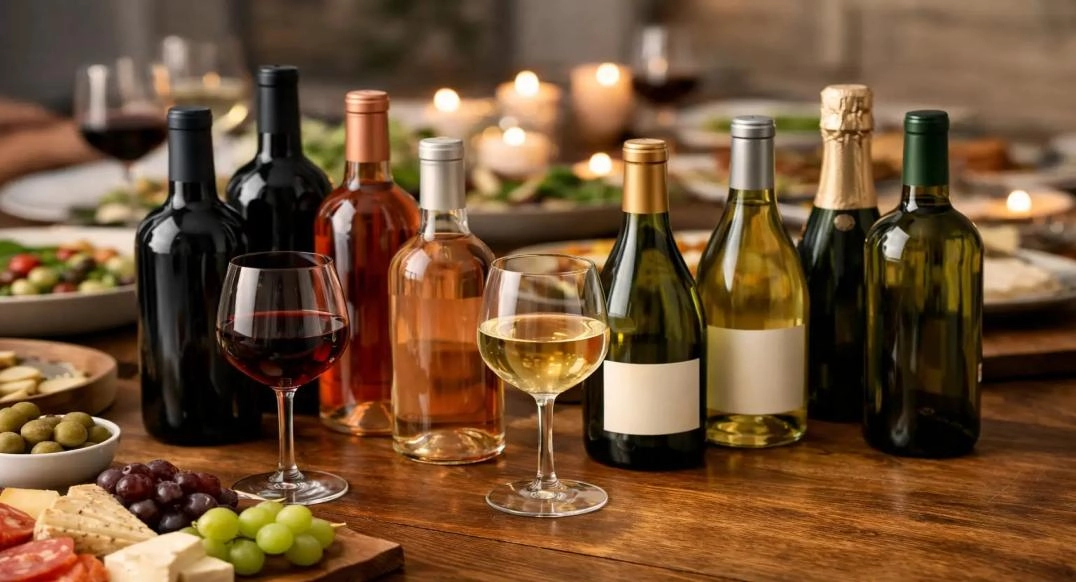
The host is plating the main course, someone is asking what they can pour, and suddenly the wine matters more than it did an hour ago. Choosing the best wines for dinner parties is not about showing off a label or chasing the rarest bottle. It is about reading the room, matching the menu, and making sure every glass helps the evening feel relaxed, generous, and well judged.
That is why the smartest dinner party wines are usually not the most complicated ones. They are the bottles that open beautifully, pair with more than one dish, and make both casual drinkers and serious wine lovers happy to refill their glass. A good host wants praise for the meal, of course, but the better goal is something subtler - wine that quietly makes the whole table work.
What makes the best wines for dinner parties?
A dinner party bottle has a different job from a collector's wine or a restaurant splurge. It needs flexibility. Guests rarely all eat the same thing in exactly the same way, and even when the menu is carefully planned, the night tends to evolve. Starters linger. Side dishes steal attention. Dessert arrives later than expected.
That is why balance matters more than intensity. Wines with fresh acidity, moderate oak, and clear fruit tend to perform well because they are easier to pair and easier to enjoy over several hours. Tannic, highly alcoholic, or very niche wines can be brilliant in the right setting, but they are less forgiving when you are trying to please a table with mixed tastes.
Price matters too, but not in the way people think. You do not need to overspend to impress. What feels impressive at a dinner party is choosing with confidence. A beautifully selected $25 to $45 bottle often works better than an expensive wine that is too heavy, too young, or too specific for the meal.
Start with sparkling - always a strong move
If there is one category that consistently earns its place at the table, it is sparkling wine. It sets the tone before anyone sits down, works with salty bites, fried appetizers, seafood, and soft cheeses, and immediately adds a sense of occasion.
Champagne is the obvious luxury choice, but it is not the only one worth considering. Quality Crémant, Cava, and Franciacorta can all be excellent for dinner parties, especially when you want polish without making the opening pour feel overly serious. A dry sparkling wine with bright acidity is one of the safest and smartest bottles you can buy for a crowd.
If your guests are moving from drinks into dinner rather than sitting down right away, sparkling wine is especially useful. It buys you time, flatters a wide range of appetizers, and keeps the mood lifted without weighing down the palate.
Best white wines for dinner parties
White wine should do more than cover the seafood course. The right bottle can carry an entire meal, particularly in warm climates or at tables where guests prefer lighter styles.
Sauvignon Blanc for freshness and easy appeal
A crisp Sauvignon Blanc is one of the easiest white wines to serve to a mixed group. Its citrus, herbal lift, and bright finish work especially well with goat cheese, salads, grilled fish, ceviche, and vegetable-forward starters. It is expressive enough to feel interesting but familiar enough to feel safe.
The trade-off is that very sharp or aggressively grassy versions can dominate delicate dishes. If the food is subtle, look for a more polished style with ripe fruit and restrained edges.
Chardonnay when the menu is richer
Few wines are as useful as a well-chosen Chardonnay. Unoaked or lightly oaked styles are ideal when you want texture without heaviness, particularly with roast chicken, creamy sauces, lobster, or mushroom dishes. They have enough body to satisfy red wine drinkers who are open to white, which is a real advantage at dinner parties.
The key is restraint. Very buttery, heavily oaked Chardonnay can feel tiring over the course of a meal. A fresher, more elegant bottle tends to earn broader approval.
Riesling for spice, complexity, and range
Riesling deserves more dinner party airtime than it gets. Dry or off-dry Riesling is excellent with spicy food, pork, Asian-inspired dishes, and anything with a sweet-savory element. It has freshness, perfume, and enough personality to make guests ask what is in their glass.
Some hosts hesitate because they assume Riesling means sweet. In reality, the right bottle can be one of the most food-friendly wines on the table. It is especially good when the menu includes bold seasoning or several cuisines in one evening.
Best red wines for dinner parties
Red wine is often where hosts overcomplicate things. The instinct is to choose something big and impressive, but dinner party reds are better when they are supple, balanced, and ready to drink.
Pinot Noir for elegance and flexibility
Pinot Noir is one of the safest premium red choices for entertaining. It suits salmon, duck, chicken, mushroom dishes, and lighter meat preparations, while still feeling refined enough for a special evening. Guests who usually prefer white often find Pinot approachable, and guests who know wine tend to appreciate its subtlety.
It is not the best fit for heavily charred steaks or very rich braises, but for a broad menu it is hard to beat.
Merlot for a softer, crowd-friendly red
A good Merlot can be exactly what a dinner party needs - smooth, generous, and easy to pair. It works with roast meats, pasta dishes, and meals where comfort matters more than drama. At its best, Merlot brings ripe fruit, soft tannins, and enough structure to feel polished without becoming demanding.
This is a category where producer selection matters. Choose a bottle with freshness and shape, not something jammy or overdone.
Syrah or Shiraz for deeper flavor
When the menu leans richer - lamb, grilled meats, hearty vegetables - Syrah or a more restrained Shiraz can be a strong choice. These wines bring pepper, dark fruit, and savory character that feel generous at the table.
Still, this is where it depends. If your guest list includes lighter drinkers, a dense, high-alcohol bottle can overpower the evening. A fresher, more balanced style usually serves the host better than the biggest wine on the shelf.
A simple formula for choosing wine by menu
If you are planning from the food backward, keep it straightforward. For seafood, salads, or lighter starters, think sparkling wine, Sauvignon Blanc, or crisp Chardonnay. For chicken, mushrooms, and versatile main courses, Chardonnay and Pinot Noir are usually the most reliable. For beef, lamb, and richer dishes, Merlot or Syrah makes more sense.
If the dinner includes several courses or varied preferences, serve one sparkling or white and one red. That gives guests a sense of choice without turning the table into a tasting flight. More bottles do not always create a better experience. Better bottles, chosen with purpose, do.
How much wine should you actually buy?
This is where hosts either underbuy and scramble or overbuy with noble ambition. A useful rule is to plan for about half a bottle to three quarters of a bottle per person for a full dinner party, depending on the length of the evening and whether you are serving cocktails first.
For eight guests, four to six bottles is usually comfortable. If the gathering is wine-focused, lean higher. If there are cocktails, sparkling on arrival, or a shorter meal, lean lower. It is also wise to have one extra bottle beyond your calculation. Running out changes the mood fast, and not in a charming way.
Serving matters almost as much as selection
Even the best wines for dinner parties can underperform if they are served poorly. White wines are often too cold, which mutes flavor, and red wines are often too warm, which makes alcohol stand out. A little attention goes a long way.
Take whites out of the refrigerator 10 to 15 minutes before serving. Light reds can benefit from 20 minutes in the fridge before guests arrive, especially in warm weather. Sparkling should be properly chilled, but not icy. And if a red is young, opening it early helps more than many hosts realize.
Glassware does not need to be theatrical, but it should be clean, consistent, and large enough to let the wine open. Dinner party hospitality is often made up of these quiet details.
When to choose a safe classic and when to be adventurous
There is nothing wrong with choosing familiar wines for a dinner party. In many cases, it is the more gracious move. Guests should feel looked after, not tested.
That said, a thoughtfully chosen wildcard can be memorable. Perhaps it is an elegant rosé with grilled Mediterranean food, a refined Austrian white with a seafood menu, or a mature bottle brought out for the main course. The difference is context. One adventurous bottle can spark conversation. A whole table of obscure wines can feel like work.
For hosts who want that balance of confidence and discovery, curated guidance makes all the difference. A well-selected lineup should feel personal to the menu and the crowd, not pulled from a generic list.
The best dinner party wine is rarely the one with the loudest reputation. It is the bottle that suits the food, flatters the guests, and leaves everyone feeling that the evening was effortlessly well put together.
Related Blogs
How to Gift Premium Wine Well

How to Host Wine Night With Style

The Future of Online Wine Retail

Guide to Rare Wine Auctions for Smart Buyers
Premium Wine Delivery Guide for Better Buying

What a Wine Concierge Service Really Does

How to Order Wine Concierge Service