

Wine Tasting for Groups That Feels Effortless
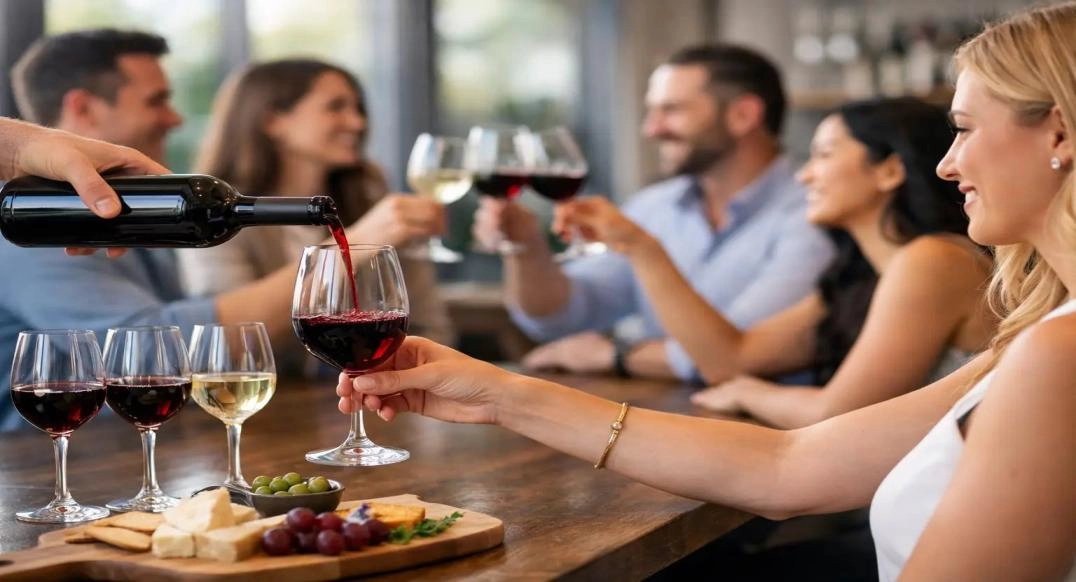
Some group events feel overplanned by the second glass. Others never quite get started. The difference with wine tasting for groups is rarely the wine alone. It is the pacing, the mix of bottles, and the feeling that guests are being looked after without being managed.
That is what makes a group tasting so appealing when it is done well. It gives people a shared experience, a built-in conversation starter, and something more memorable than putting a few random bottles on a table and hoping for the best. Whether you are hosting close friends, entertaining clients, planning a birthday, or organizing a team event, the goal is not to impress people with complexity. It is to create an atmosphere that feels generous, relaxed, and well considered.
What makes wine tasting for groups work
A successful group tasting strikes a careful balance. It should feel curated, but not stiff. Informative, but never like a lecture. Guests want to learn just enough to feel engaged, while still having room to enjoy themselves.
That balance matters even more with mixed groups. In almost any gathering, a few guests will know plenty about wine, a few will know very little, and most will sit somewhere in the middle. If the tasting is too technical, newer drinkers check out. If it is too basic, more experienced guests lose interest. The sweet spot is a format that keeps the tone approachable while making the selections feel thoughtful.
This is where curation matters. A tighter lineup of genuinely interesting wines will always outperform an oversized selection chosen for quantity. Four to six bottles is usually ideal for a group. It gives enough variety to keep things lively without blurring the differences between wines.
Start with the occasion, not the bottle
The best wine tasting for groups begins by asking a simple question: what kind of evening do you want this to be?
A corporate tasting has different needs than a birthday at home. One may call for polished service, broad appeal, and easy conversation. The other may benefit from more personality, bolder wines, and a slightly looser structure. A vacation gathering might lean celebratory and social, while a private dinner tasting may want more depth and food pairing.
This is where hosts often make the wrong move. They start by chasing impressive labels or trying to cover every style at once. In reality, the event works better when the wines reflect the mood. Crisp whites and bright rosés suit daytime gatherings and warm-weather settings beautifully. Richer reds and more structured wines feel better for evening events and longer dinners. Sparkling wine almost always earns its place if the goal is to create immediate energy.
A clear theme can help, but it does not need to be academic. You do not need to compare vineyard soils or spend the night debating vintages. Sometimes the strongest themes are the simplest: summer wines, crowd-pleasing classics, bold reds, bottles for steak night, or a mix designed around a menu.
How many wines and how much structure
For most private tastings, less is more. Four wines can be elegant and focused. Five often feels ideal. Six can work well for a larger or more engaged group, but beyond that, attention starts to drop and palates get tired.
Structure matters too, although not in a rigid way. Guests appreciate knowing there is a flow. Starting with sparkling or lighter white wines, moving into fuller whites if included, and finishing with reds gives the tasting a natural rhythm. If there is a dessert wine, it should come last and only if it genuinely suits the occasion.
The order also affects perception. A delicate white poured after a powerful red rarely gets a fair chance. Good sequencing lets each bottle show properly and keeps the tasting from feeling chaotic.
For larger groups, a guided format is usually worth it. Not because guests need rules, but because they appreciate someone shaping the experience. A host or sommelier can set context, keep the pacing smooth, and make the wines feel more accessible. That guidance tends to be especially valuable when the group includes clients, colleagues, or guests who may not know one another well.
Wine tasting for groups at home versus hosted venues
There is no single right setting. It depends on what matters most to you.
At home, the experience is private, comfortable, and highly personal. You control the guest list, the atmosphere, and the food. It often feels warmer and more relaxed, especially for birthdays, dinner parties, and smaller celebrations. The trade-off is that hosting at home can create extra pressure. Glassware, serving temperature, timing, and setup all become your responsibility unless support is built in.
A hosted venue or fully managed tasting removes much of that effort. It can feel more polished from the start, which suits client entertainment and larger social events. It also allows the host to be present with guests rather than quietly troubleshooting throughout the evening. The trade-off is that venue tastings may feel slightly less intimate, and the format can be less flexible depending on the space.
For many people, the ideal solution sits in the middle: a private tasting with expert support brought directly to the group. That gives you the comfort of a personal setting with the confidence of professional curation.
Choosing wines your guests will actually enjoy
One of the easiest mistakes in group tasting is choosing wines for the host rather than the room. A highly unusual bottle may be fascinating to one or two guests, but that does not automatically make it right for the event.
A stronger approach is to build the lineup around range and appeal. That does not mean bland or obvious. It means selecting bottles with distinct personalities that still feel pleasurable and welcoming. A bright Sauvignon Blanc, a textural Chardonnay, a refined Pinot Noir, and a fuller Cabernet or Syrah can create a satisfying arc for many groups. If the crowd is adventurous, you can thread in one unexpected bottle for contrast.
This is also where expert guidance makes a visible difference. A sommelier can read the room before the first cork is pulled - who the guests are, what the occasion calls for, how food fits in, and whether the lineup should lean classic, celebratory, or more discovery-driven. That kind of filtering saves hosts from overbuying, overspending, or choosing wines that sound better on paper than they taste in the moment.
Food changes the experience
Wine on its own can be lovely. Wine with the right food is where the evening starts to feel complete.
For casual tastings, small bites are usually enough. Cheese, charcuterie, olives, nuts, and good bread create a natural rhythm without competing too heavily with the wines. For more structured events, pairings can sharpen the experience and make each pour more memorable. A fresh white with shellfish, a generous red with grilled meat, or a sparkling wine with canapés can anchor the tasting in a way guests instantly understand.
That said, heavier food can flatten a tasting if it arrives too early or overwhelms lighter wines. If the evening is primarily about tasting, keep the food elegant and supportive. If it is more dinner-party than seminar, the wines should be chosen with the menu rather than presented as a separate event.
The details guests notice
People may not comment on serving temperature or glass shape, but they absolutely feel the difference. Warm white wine, rushed pours, or too many bottles opened at once can make a thoughtfully planned event feel oddly flat.
The best group tastings run on small details done quietly well. Wines are served at the right temperature. Glasses are ready. There is enough wine for everyone without overpouring. Guests know what they are drinking, but no one is trapped in a monologue. The room feels social, not staged.
This is why concierge-style planning has real value. It turns wine tasting for groups from a nice idea into a smoothly delivered experience. For hosts who care about quality but do not want to spend the evening managing logistics, that support is often the difference between hosting and actually enjoying the event.
When a group tasting is worth doing
Not every gathering needs a formal tasting. Sometimes a few bottles over dinner are enough. But when you want the wine itself to help shape the occasion, a tasting earns its place.
It works particularly well when guests are meeting for the first time, when you want to elevate a celebration without making it feel overly grand, or when the group values experience as much as entertainment. It gives the evening a center without making it feel programmed.
Done properly, it also leaves guests with something better than a generic night out. They remember the bottle that surprised them, the pairing that clicked, the conversation that opened up around the table. They leave feeling they were part of something considered.
And that is really the point. The best wine experiences do not ask guests to perform expertise. They simply make everyone feel included, well guided, and glad they came.
Related Blogs
Why a WhatsApp Sommelier Service Works
How to Plan a Wine Dinner That Flows
How to Gift Premium Wine Well
How to Host Wine Night With Style
The Future of Online Wine Retail
Guide to Rare Wine Auctions for Smart Buyers
10 Best Wines for Dinner Parties