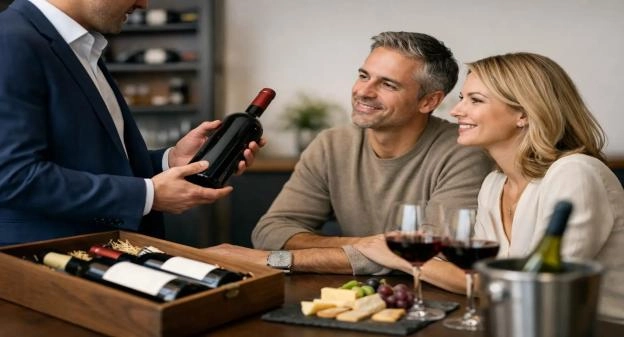


Why a WhatsApp Sommelier Service Works
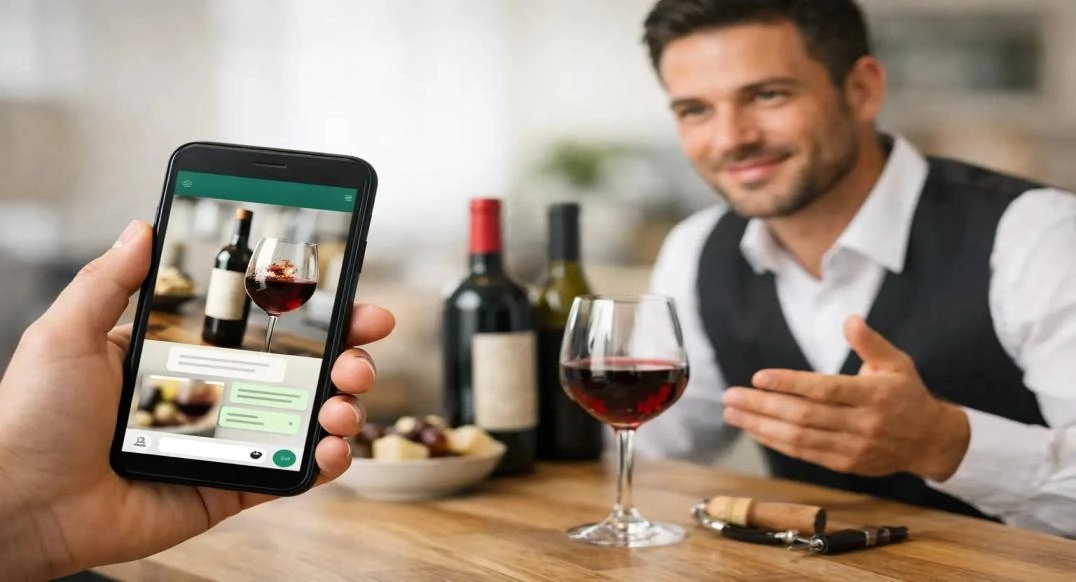
A bottle for tonight’s dinner should not require twenty tabs, three second guesses, and a small crisis in the sparkling section. That is exactly why a whatsapp sommelier service feels so relevant right now. It brings wine buying back to what it should be - personal, informed, and pleasantly easy.
For many people, the friction in buying wine is not access. It is confidence. There is plenty of wine available, but too much of it is presented without context, without a point of view, and without the reassurance that you are choosing well for the occasion. A direct message to a sommelier changes that dynamic immediately. Instead of scrolling through endless labels and tasting notes that all start to sound the same, you ask a real person what works for grilled lobster, what feels right for a client gift, or which Champagne makes the best impression without going overboard.
That shift matters because wine is rarely a purely functional purchase. It is social. It is emotional. It often comes with a moment attached to it. The right recommendation does more than match a grape to a dish. It sets a tone for the evening, gives a host a little more confidence, and makes the buyer feel looked after rather than sold to.
What a whatsapp sommelier service actually offers
At its best, this is not a chatbot with a polished script. It is direct access to expertise in a format people already use every day. The appeal is obvious. You can ask for a recommendation while leaving the office, while planning a dinner menu, or while standing in your kitchen wondering whether your guests are red wine people or not.
The service works because it removes unnecessary distance. Traditional retail often asks the customer to do too much interpretation alone. Restaurant wine service is personal, but only available when you are already at the table. Email can feel slow for something time-sensitive. A WhatsApp conversation sits in the sweet spot between convenience and care.
That conversation can be as simple or as detailed as needed. Some buyers want, “I’m serving roast chicken for six and need three bottles under a certain budget.” Others want more texture - maybe a white with minerality but not too sharp, or a red that feels polished enough for a dinner party without reading as predictable. A skilled sommelier can respond to either instinct and narrow the field fast.
Why this format suits premium wine buying
Premium wine should feel considered, not complicated. That sounds obvious, but many buying experiences still confuse abundance with quality. A thoughtfully run whatsapp sommelier service does the opposite. It edits. It filters. It gives customers fewer, better choices.
That is especially valuable for people who care about wine but do not want to perform expertise every time they buy it. Plenty of customers know what they enjoy yet still appreciate a second opinion. They may love Burgundy but need a great alternative for a larger party. They may usually drink Napa Cabernet but want something fresher for a warm evening. They may simply want a host gift that feels tasteful and specific rather than generic.
A sommelier-led message thread also builds continuity over time. The recommendations improve because the relationship improves. One week you ask for crisp whites for seafood. A month later, your sommelier already knows you prefer elegant reds over jammy ones and that you like Champagne with a finer bead and less dosage. The service becomes less about a transaction and more about calibration.
For a digitally led business like Vinoteca Cayman, this makes particular sense. The absence of a traditional storefront is not a limitation when the customer receives something better than shelf browsing: direct, ongoing access to a knowledgeable human who understands taste, occasion, and urgency.
The real luxury is speed with judgment
Convenience on its own is easy to promise. Plenty of platforms can deliver quickly. The harder thing to offer is speed without sacrificing taste. That is where this model stands apart.
A whatsapp sommelier service is not just fast because messages are instant. It is fast because the recommendation starts from judgment. Instead of asking customers to compare fifteen Sauvignon Blancs, a sommelier can say, “Take these two. One is brighter and more citrus-driven, the other has a little more texture and works better if the meal includes cream or butter.” In two sentences, the decision becomes easier and smarter.
That kind of precision is useful across all sorts of moments. A corporate buyer can source polished, reliable gifting without sending something forgettable. A host can build a mixed case that actually reflects the menu. A collector can ask whether a newly available bottle is worth pursuing or whether a different vintage offers better value. Even a casual weekend shopper benefits from having the noise removed.
There is, of course, a trade-off. This style of service depends on trust. If the recommendations feel generic, delayed, or too sales-driven, the value disappears quickly. The format only works when the expertise is real and the tone feels attentive rather than automated. Customers can tell the difference.
Better for occasions, not just shopping
One reason this service resonates is that wine is often occasion-led. People are not merely buying “a red” or “a white.” They are buying for a beach dinner, a birthday table, a last-minute hostess gift, a cigar night, or a bottle that says thank you without trying too hard.
That means the sommelier is doing more than product recommendation. They are helping shape the mood of an event. A relaxed lunch by the water might call for something saline, bright, and quietly sophisticated. A formal dinner may need a red with structure, length, and a little gravitas. A celebration might deserve grower Champagne over a familiar luxury label if the buyer wants something more distinctive.
This is where curation becomes much more attractive than catalog browsing. Not every customer wants a wine lesson. Most want a confident answer they can trust, perhaps with just enough explanation to feel informed. The best service respects that. It reads the customer accurately and responds with the right level of detail.
Why direct messaging feels more personal than e-commerce alone
Well-designed online retail is efficient, but efficiency is not the same as hospitality. A direct message thread introduces warmth into a digital buying experience. It makes room for follow-up questions, quick adjustments, and spontaneous discovery.
You might begin by asking for two bottles for sushi and end up hearing about a new producer that suits your palate perfectly. You might ask for a birthday gift and be reminded that the recipient loved Barolo at a previous dinner. Those small moments create loyalty because they feel remembered, not processed.
There is also a social ease to WhatsApp that suits wine particularly well. It is conversational. You can send a menu, a photo, a budget, or a simple voice note saying, “I need something impressive but not stuffy.” That is much closer to how people naturally seek advice than filling out forms or browsing rigid filters.
Of course, it is not ideal for everyone in every scenario. Some customers genuinely enjoy independent browsing, and others want to compare widely before deciding. A sommelier service should not replace that freedom. It should sit beside it, ready when guidance adds value.
The future of wine retail looks more human, not less
There is a common assumption that digital retail becomes better as it becomes more automated. In wine, that is only partly true. Technology is excellent at access, inventory, and speed. It is less persuasive at reading nuance: the dinner that is dressy but not formal, the gift that should feel generous but restrained, the client who wants something rare without seeming showy.
That is why a whatsapp sommelier service feels less like a novelty and more like a smart correction. It brings back discernment in a setting that suits modern life. It keeps the ease of digital shopping but adds conversation, confidence, and taste.
For customers who value quality and want to feel guided rather than overwhelmed, that is not a small upgrade. It is a better way to buy wine. And the best part is simple: when expert advice arrives in the same place your plans are already unfolding, choosing the right bottle starts to feel as enjoyable as opening it.
Related Blogs

How to Plan a Wine Dinner That Flows
How to Gift Premium Wine Well

How to Host Wine Night With Style
The Future of Online Wine Retail

Guide to Rare Wine Auctions for Smart Buyers

10 Best Wines for Dinner Parties
Premium Wine Delivery Guide for Better Buying