

The Future of Online Wine Retail
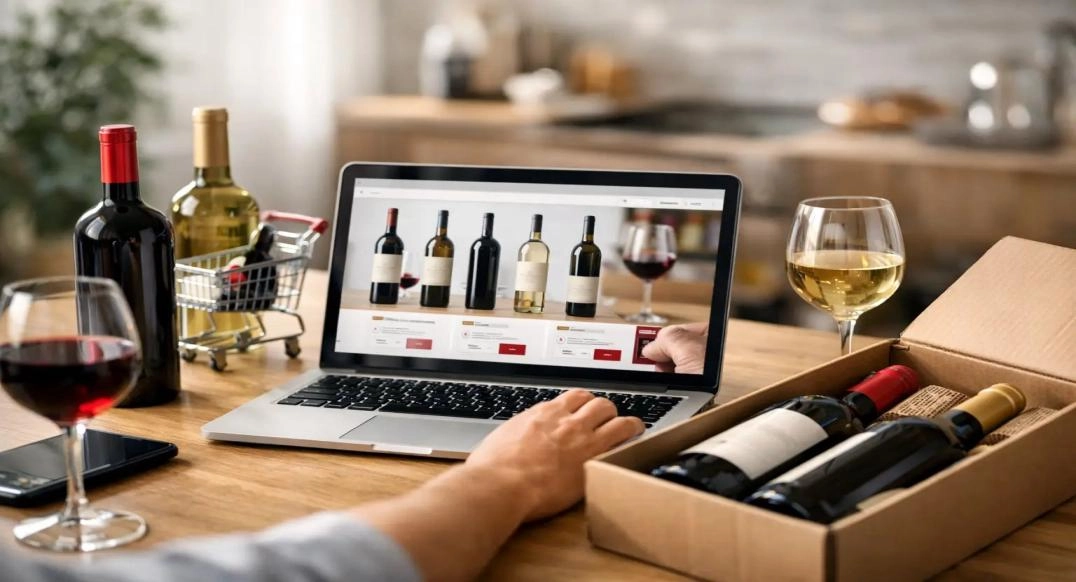
A few years ago, buying wine online often meant scrolling through hundreds of labels, applying a few filters, and hoping the bottle that arrived matched the occasion in your head. The future of online wine retail looks very different. It is less about endless choice and more about confident selection, faster guidance, and a digital experience that feels surprisingly personal.
That shift matters because wine is not a purely functional purchase. People are not just buying fermented grapes. They are buying something for dinner tonight, a gift that needs to land well, a bottle for a client, a talking point for a party, or a case worth cellaring. The retailers that win will be the ones that understand context, not just catalog management.
What the future of online wine retail really looks like
The next phase of online wine retail will not be won by whoever lists the most products. It will be shaped by businesses that reduce friction without flattening the pleasure out of discovery. In wine, too much choice can feel less luxurious than a thoughtful recommendation.
That is why curation is becoming more valuable than sheer inventory. A strong online wine retailer of the future will act more like a trusted host than a warehouse. Instead of asking customers to become experts, it will make expertise immediately available and easy to use.
This has practical benefits for buyers. A host planning dinner wants to know which white works with grilled lobster, not read ten tasting notes with no point of view. A collector looking for something rare wants access and credibility. A casual drinker wants reassurance that the bottle they are choosing is right. These needs are different, but the underlying expectation is the same: less guesswork, more confidence.
The rise of digital curation over digital abundance
For many luxury and premium categories, abundance has lost some of its appeal. Online, abundance can quickly become noise. Wine is especially vulnerable to this because labels, regions, vintages, and producer styles are full of nuance, while the average customer is usually shopping around a specific moment.
The smarter model is edited selection. Retailers that present a well-chosen portfolio, clear recommendations, and useful occasion-based guidance create a better experience than those that simply offer thousands of SKUs. This does not mean a narrower business. It means a sharper one.
Curated retail also builds trust faster. When customers believe someone has already done the filtering for them, they are more likely to try something new, trade up, and return. That trust compounds over time, especially when recommendations consistently feel right.
There is a trade-off, of course. Some highly knowledgeable buyers enjoy searching vast inventories and comparing obscure appellations on their own. But even those customers often appreciate a retailer that can separate what is merely available from what is truly worth buying.
Human expertise will matter more, not less
One of the more interesting truths about digital commerce is that convenience alone rarely creates loyalty in premium categories. Service does. In the future of online wine retail, technology will improve the experience, but human expertise will remain central.
That expertise needs to be accessible in the moments when customers are actually deciding. Not next week, not through a formal consultation form, and not buried behind a generic customer service inbox. Real-time guidance changes the feel of the purchase. It turns online shopping from a transaction into a conversation.
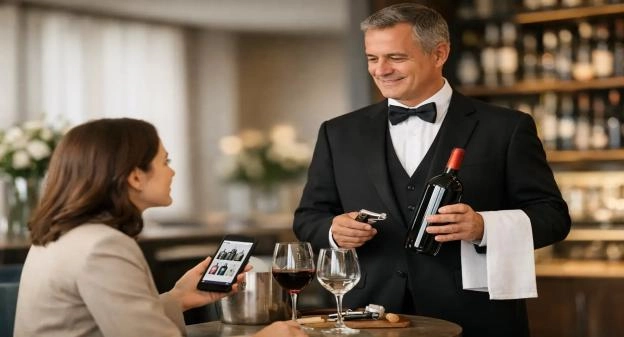
For wine, that is powerful. A quick exchange with a knowledgeable sommelier can solve uncertainty instantly: what to bring to a dinner party, what pairs with spicy food, whether to choose Champagne or grower sparkling, whether a pricier bottle is genuinely worth the jump. This kind of support makes premium buying feel easier rather than more intimidating.
Retailers that get this right will feel less like websites and more like private wine advisors with a digital front door.
The future of online wine retail is experiential
The strongest online wine businesses will not stop at selling bottles. They will create reasons to engage even when a customer is not actively shopping. That is where hospitality starts to matter.
Tastings, private events, virtual experiences, food-pairing moments, collector access, and limited-release opportunities all add dimension to the relationship. They also reflect how people actually enjoy wine. Wine is social. It lives at tables, celebrations, negotiations, reunions, and quiet nights that deserve something better than routine.
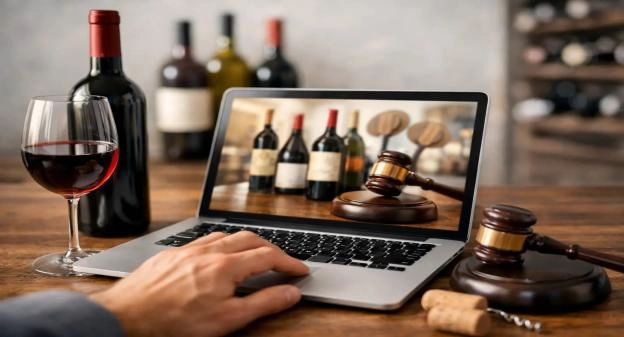
This is one reason auctions and special-format digital events feel so relevant. They bring pace, exclusivity, and a sense of occasion into an online environment. Rare bottles become more than listings. They become moments. For collectors, that is exciting. For newer buyers, it makes discovery feel less static and more alive.
Experience-led retail also gives a brand more character. In a market crowded with convenience claims, personality becomes part of the value.
Delivery will become part of the luxury promise
Fast delivery is no longer impressive on its own. In premium wine retail, what matters is reliable, well-handled, context-aware delivery. If someone is ordering for tonight's dinner, tomorrow is too late. If they are sending a gift, presentation matters. If they are buying older or more delicate bottles, confidence in handling matters just as much as speed.
This is where the future gets more refined. Customers will increasingly expect delivery to work as an extension of service, not as an outsourced afterthought. Timing, condition, communication, and flexibility will all shape brand perception.
There is an operational challenge here. Great delivery is expensive to execute well, especially in markets with climate concerns, geographic complexity, or time-sensitive demand. But for premium retailers, this is not a side issue. It is part of the core experience.
Personalization needs taste, not just data
Many retailers talk about personalization, but too often they mean algorithmic product suggestions based on previous clicks. That can be useful, but wine requires a little more intuition.
A customer who bought Napa Cabernet twice is not necessarily a "Cabernet person." They may have been buying client gifts, stocking for a steak dinner, or choosing safe options for a group. True personalization in wine comes from understanding preferences in context: what people enjoy, what they avoid, how adventurous they feel, how much guidance they want, and what kind of occasions they buy for most often.
This is where a relationship-led model becomes especially effective. A retailer that remembers your style, your hosting habits, your favorite regions, and when you like to splurge can offer recommendations that feel unusually well judged. That level of attention is hard to fake and difficult to replace.
For a digitally led concept such as Vinoteca Cayman, this is exactly where online retail becomes more elegant than a traditional store. The relationship does not depend on someone happening to walk in at the right moment. It can continue naturally, bottle after bottle, occasion after occasion.
Trust, provenance, and credibility will separate the best from the rest
As more wine sales move online, trust becomes even more valuable. Customers want to know that bottles have been sourced properly, stored correctly, priced fairly, and described honestly. That is especially true for collectible, older, or limited wines.
A polished website can attract interest. Credibility keeps it. The retailers best positioned for the future will be transparent in their sourcing, disciplined in their selection, and consistent in their standards. They will not try to be everything to everyone.
That may sound obvious, but in practice it is a major distinction. Premium wine buyers are often willing to spend more when they feel looked after. They are much less tolerant of uncertainty when the occasion matters.
What customers will expect next
Over the next few years, customers will likely expect online wine retail to feel more conversational, more curated, and more responsive. They will want discovery without clutter, expertise without ceremony, and service that feels tailored rather than scripted.
Some will still shop by region, score, or producer. Others will shop by mood, menu, or moment. The best retailers will comfortably serve both. They will combine strong digital presentation with genuine human guidance and create a buying experience that feels closer to hospitality than e-commerce.
That is where the category is heading. Not toward colder efficiency, but toward warmer precision. Better selection. Better advice. Better timing. More reasons to come back.
The real opportunity in the future of online wine retail is simple: make buying exceptional wine feel as enjoyable as opening it.
Related Blogs
How to Gift Premium Wine Well
How to Host Wine Night With Style
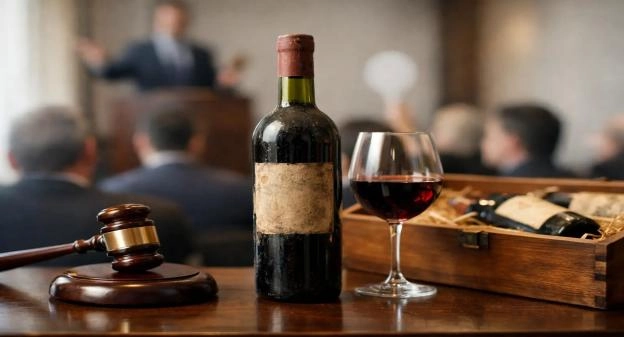
Guide to Rare Wine Auctions for Smart Buyers
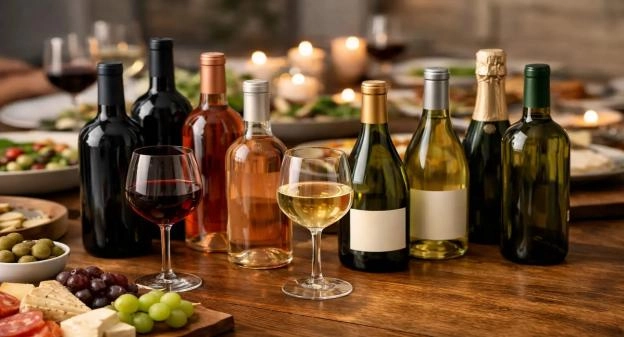
10 Best Wines for Dinner Parties
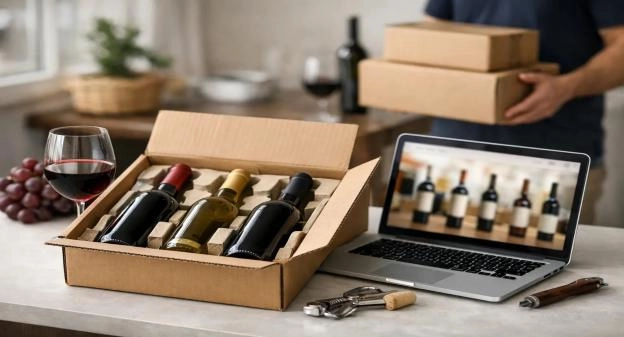
Premium Wine Delivery Guide for Better Buying
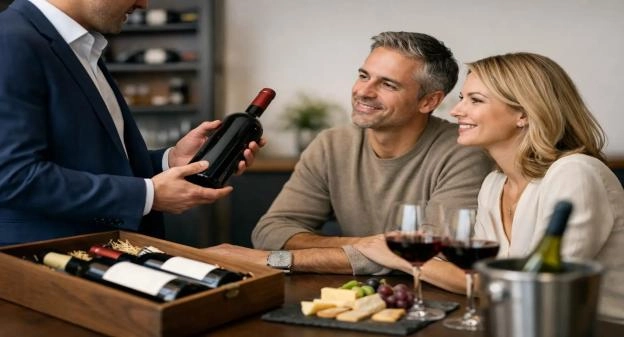
What a Wine Concierge Service Really Does
How to Order Wine Concierge Service