


9 Best Red Wines for Steak
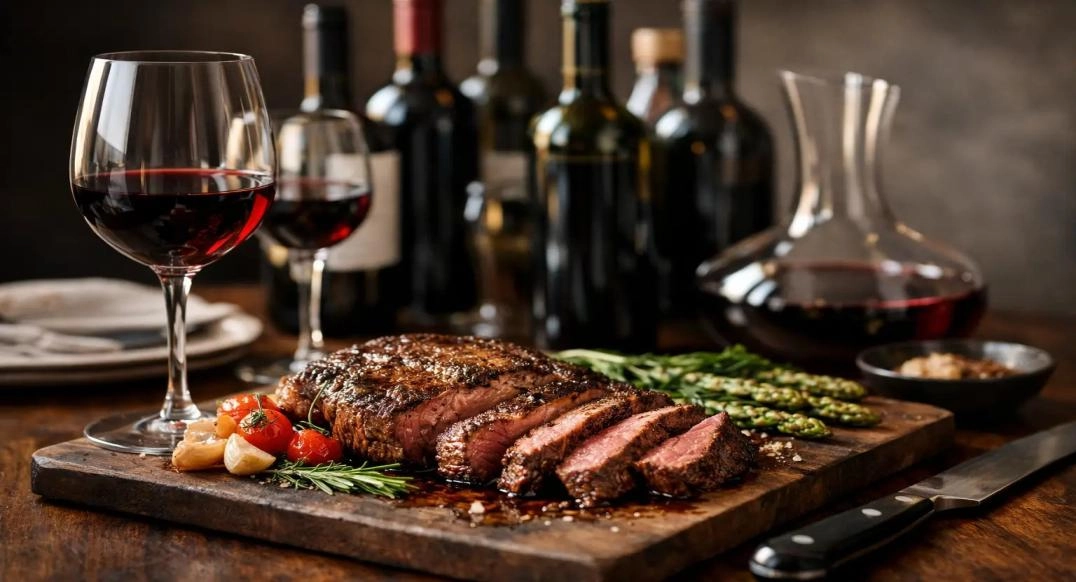
A great steak dinner can go one of two ways. You either get that perfect moment where the wine sharpens every bite, or you end up with a bottle that makes the meal feel heavier, flatter, or oddly one-note. The best red wines for steak do more than simply “go with red meat.” They bring structure, freshness, and enough character to meet the richness of the dish without overwhelming it.
That is why the pairing starts with the cut, the cooking method, and even the sauce. A pepper-crusted ribeye asks for something different than a lean filet mignon. A smoky strip from the grill behaves differently than a braised short rib. If you want to choose well, think less about rigid rules and more about balance.
What makes the best red wines for steak?
Steak loves red wine for a practical reason: fat and protein soften tannin. That firm, drying grip you notice in certain reds becomes silkier when there is marbling on the plate. At the same time, acidity keeps the pairing lively, cutting through richness and helping the next bite feel as good as the first.
The sweet spot is usually a dry red with solid structure, moderate to high acidity, and enough fruit to avoid tasting severe. Oak can help, especially with grilled steaks, because notes of cedar, smoke, vanilla, or spice often echo the char from the pan or grill. But too much ripeness or too much alcohol can make the pairing feel hot and heavy.
In other words, bigger is not always better. A massive red can overpower a delicate cut, while a more restrained bottle can make an expensive steak taste even more precise.
9 best red wines for steak
Cabernet Sauvignon
If you want the classic answer, this is it. Cabernet Sauvignon remains one of the best red wines for steak because its tannins, dark fruit, and savory edge are built for beef. With ribeye, strip steak, or a porterhouse, Cabernet has the structure to stand up to fat and char while still feeling polished.
Style matters here. A plush, ripe Cabernet from a warm climate can be luxurious with a richly marbled cut, especially if the steak has a black pepper crust or a red wine reduction. A more restrained Cabernet, with firmer tannins and herbal notes, can be a smarter choice for simpler preparations.
Malbec
Malbec is often the easiest crowd-pleaser at the steak table. It brings dark plum fruit, soft spice, and enough body to satisfy without the stricter tannic edge of Cabernet. That makes it especially good for hosts who want a bottle that feels generous and easy to love.
It shines with grilled sirloin, flank steak, and skirt steak. The fruit handles smoky, flame-kissed flavors beautifully, and the texture is usually broad enough to match a hearty cut. If the steak comes with chimichurri or another herb-driven sauce, Malbec can be excellent.
Syrah
For pepper, smoke, and savory intensity, Syrah is a very smart move. It tends to show dark fruit, olive, black pepper, and sometimes a meaty note that feels almost tailor-made for steak. This is the bottle to consider when your preparation leans bold.
Syrah works particularly well with grilled ribeye, pepper-crusted steak, or anything with a slightly charred exterior. If the wine is from a cooler climate, you may get more lifted acidity and savory complexity. If it is from a warmer region, expect a rounder, richer expression. Both can work - it simply depends on whether your dinner calls for elegance or power.
Merlot
Merlot does not always get the credit it deserves at a steak dinner. A good one offers plush texture, dark fruit, and softer tannins than Cabernet, which can make it a beautiful match for filet mignon or leaner cuts.
This is an especially useful choice if you want a red that feels refined rather than forceful. With a filet and a mushroom sauce, Merlot can be a lovely pairing because its roundness complements the tenderness of the meat without dominating it. If your guests prefer smoother reds, this is often the safer pick.
Tempranillo
Tempranillo, especially with a little bottle age, brings red and dark fruit, leather, tobacco, and savory spice. That combination can be excellent with steak, particularly when the meal has a slightly rustic or Spanish-inspired feel.
This is a strong choice for grilled cuts, steak with roasted peppers, or dishes that include paprika, garlic, or earthy sides. The tannins are usually present but not aggressive, and the savory profile can make the whole plate feel more layered.
Sangiovese-based reds
If your steak is going to the table with tomatoes, herbs, or a balsamic element, reach for Sangiovese. This family of wines tends to offer bright acidity, firm structure, and sour cherry notes that bring freshness to richer dishes.
A plain grilled ribeye may call for something darker and broader, but steak tagliata, bistecca with rosemary, or a steak dish with tomato-based accompaniments can be better with Sangiovese than with a heavier international style. It is a less obvious choice, but often a more intelligent one.
Bordeaux blends
When the dinner is formal, Bordeaux blends feel right at home. These wines combine structure with nuance, often layering black fruit, cedar, graphite, and tobacco into something more composed than simply powerful.
They are excellent with premium cuts, especially when the preparation is classic and restrained. Think strip steak with a good sear, filet with a bordelaise-style sauce, or dry-aged beef where you want the wine to complement complexity rather than compete with it. If you enjoy a more tailored, less fruit-forward expression, this is where to look.
Zinfandel
Zinfandel is not the default recommendation, but it can be terrific in the right setting. Its ripe berry fruit, spice, and often higher alcohol make it a natural fit for steaks with sweet-savory barbecue elements, bold rubs, or a slightly sticky glaze.
It is less ideal for an elegant filet or a minimalist preparation. But if the meal is casual, smoky, and full of flavor, Zinfandel brings energy and personality. Think backyard grill, thick-cut steak, and a generous hand with seasoning.
Pinot Noir
Yes, Pinot Noir can work with steak - just not every steak. If you are serving filet mignon, steak tartare, or a leaner cut with mushrooms rather than heavy char, Pinot can be stunning. The key is not to force a delicate wine into a heavyweight matchup.
A fuller, earthier Pinot with good acidity can elevate a refined preparation in a way that a bigger red might not. It is about texture and detail rather than impact. For some dinners, that is exactly the point.
How to match the wine to the cut
The richer the cut, the more structure your wine can handle. Ribeye loves Cabernet Sauvignon, Syrah, and Bordeaux blends because the marbling softens tannin and welcomes intensity. Strip steak sits in a flexible middle ground and works well with Cabernet, Malbec, or Tempranillo.
Filet mignon needs a lighter touch. Merlot, Pinot Noir, or a more elegant Bordeaux blend usually makes more sense than the biggest bottle on the table. Flank and skirt steak, especially off the grill, do very well with Malbec and Syrah because those wines keep pace with bold seasoning and smoke.
Sauce matters just as much as the cut. Creamy peppercorn sauce can support Syrah or Cabernet. Mushroom sauce often flatters Merlot or Pinot Noir. Chimichurri can brighten Malbec. Tomato-based or herb-heavy preparations can shift the balance toward Sangiovese.
A few mistakes worth avoiding
One common mistake is choosing wine based only on prestige. A powerful Napa Cabernet may sound impressive, but if you are serving a lean filet, the pairing can feel lopsided. Another is ignoring acidity. Rich steak and rich wine without enough freshness can make the whole meal feel tired halfway through.
Temperature also matters more than people think. Red wine served too warm can taste alcoholic and loose, especially in a tropical climate. A short chill before pouring often improves the balance, making fruit clearer and structure more defined.
And if you are serving several steaks with different sauces or sides, do not force one “perfect” bottle. This is exactly where good curation helps. Sometimes the best answer is a versatile red that pleases the table, not the most famous label in the cellar.
Choosing steak wine should feel pleasurable, not performative. If you are torn between a few styles, start with how rich the cut is, how assertive the seasoning feels, and whether you want the wine to impress with power or with polish. The right bottle makes dinner feel looked after, which is really the whole point.
Related Blogs

Rare Wine Sourcing Made Smarter

Wine Tasting for Groups That Feels Effortless

Why a WhatsApp Sommelier Service Works

How to Plan a Wine Dinner That Flows

How to Gift Premium Wine Well

How to Host Wine Night With Style

The Future of Online Wine Retail