

How to Choose Wines Confidently
The hardest part of buying wine is rarely the wine itself. It is the moment you are standing in front of a long list, a shelf full of labels, or a dinner menu, wondering whether your choice will feel inspired or slightly off. If you have ever wanted to know how to choose wines confidently without turning it into homework, the good news is that confidence comes from a few smart cues, not endless theory.
The real shift happens when you stop asking, “What is the best wine?” and start asking, “What kind of experience do I want this bottle to create?” That question is far more useful, and far more elegant, than trying to memorize every region, grape, and producer.
How to choose wines confidently for the moment
A bottle that shines at a quiet dinner may feel too serious for the beach, and a fresh, easy white that works beautifully for lunch might disappear beside a rich evening meal. Context matters more than many people realize.
Start with the occasion. Are you choosing for a gift, a dinner party, a steak night, a seafood lunch, or simply a glass at the end of the day? Once you know the setting, your options narrow in a helpful way. A celebratory bottle can lean more expressive or prestigious. A crowd-pleasing bottle should be versatile and approachable. A food-led choice should support the meal rather than compete with it.
This is where many people overcomplicate things. They assume confidence comes from choosing the rarest region or the most expensive bottle. In practice, confidence usually comes from selecting something that suits the moment with precision.
Think in styles, not just grapes
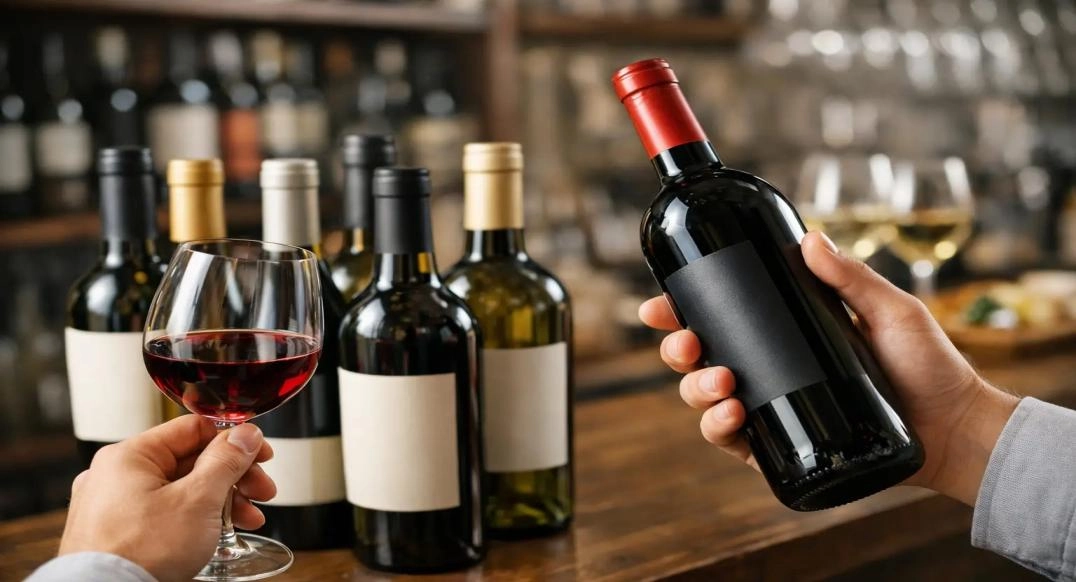
Most buyers are taught to shop by grape name first - Cabernet Sauvignon, Chardonnay, Pinot Noir, Sauvignon Blanc. That can help, but it is not always enough. Two Chardonnays can taste completely different depending on climate, winemaking, and age. One may be crisp and mineral, another rich and creamy.
A better approach is to think in style. Ask yourself whether you want the wine to feel bright or full, crisp or rounded, delicate or bold, dry or slightly fruit-forward. Those are easier, more instinctive decisions.
If you enjoy whites with freshness and lift, look for styles that feel zesty, citrusy, or mineral. If you prefer something softer and more textured, choose whites with a rounder profile. For reds, decide whether you want something light and silky or deeper and more structured. Rosé can be pale and crisp or more fruit-driven and generous. Sparkling wines can range from bone-dry and refined to softer and more playful.
When you understand the style you like, you can move across regions and labels with much more ease. You are no longer buying blind. You are buying with a point of view.
The quickest confidence test
If you are unsure where to begin, use three questions. Do I want this wine to feel refreshing or comforting? Is it for food or for sipping? Am I trying to impress, please a group, or simply enjoy something reliable? Those answers will usually take you to the right section faster than any technical guide.
Pair with weight, not just with rules
Food pairing becomes much simpler when you stop treating it as a strict set of commands. White wine with fish and red wine with meat is a familiar starting point, but it is far from the full story.
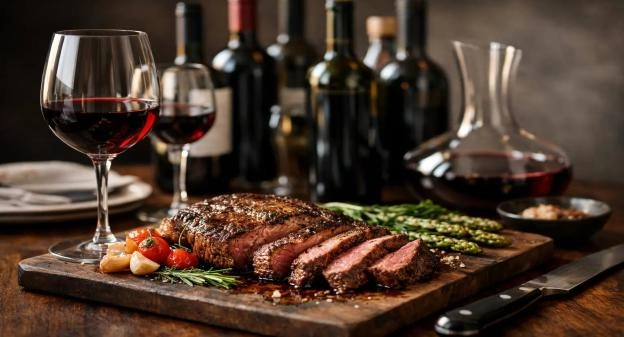
What matters most is weight and intensity. A delicate dish generally wants a lighter, fresher wine. A richer dish can handle more body, texture, or tannin. Grilled fish with lemon works beautifully with bright, crisp whites because both have energy and lift. A creamy pasta may call for a white with more texture. A steak can stand up to a structured red, while roasted chicken is wonderfully flexible and works with both elegant reds and fuller whites.
Sauce also matters. In many cases, the sauce tells you more than the protein. A tuna dish with tomato and olives may pair better with a medium-bodied red than with a light white. A pork dish with apple or cream might shine with a fresh but rounded white.
This is one of the key secrets in how to choose wines confidently: match the mood and weight of the plate, not just the headline ingredient.
Price should guide quality expectations, not your self-worth
Many people feel exposed when buying wine because price can seem like a test. Spend too little and you worry it looks careless. Spend too much and you wonder whether you are paying for the label more than the liquid.
The smarter way to think about price is as a clue to style, craftsmanship, and rarity - not as proof of taste. There are moments when a prestige bottle is exactly right. There are also plenty of times when a beautifully curated mid-range wine is the more intelligent choice.
For weeknight drinking, freshness, balance, and drinkability often matter more than complexity. For entertaining, versatility is usually worth more than sheer power. For gifting, presentation and reputation matter a bit more, because the bottle has a social role as well as a sensory one.
Confidence grows when you decide what the bottle needs to do before you decide what it needs to cost.
When to spend more
It generally makes sense to stretch your budget for milestone dinners, important gifts, age-worthy wines, or bottles with a story behind them. If the wine is meant to create memory, conversation, or a sense of occasion, that extra investment can feel worthwhile. If it is simply meant to be opened on a Tuesday, restraint can be a mark of good judgment.
Learn your preferences by contrast
One of the fastest ways to refine your palate is not by reading more, but by comparing more. Try two different Sauvignon Blancs side by side. Taste a lighter red next to a fuller one. Notice whether you consistently lean toward brighter acidity, softer fruit, firmer tannins, or richer texture.
This does not need to become technical. The aim is not to sound like a sommelier at the table. The aim is to recognize your own patterns. Once you know you prefer elegant reds over powerful ones, or mineral whites over tropical styles, buying becomes easier and far more personal.
That is also why curated selections are so valuable. A well-chosen portfolio saves you from sorting through endless average options and helps you focus on bottles that overdeliver in their style. At Vinoteca Cayman, that sense of curation is part of the pleasure - fewer bottles, better choices, and guidance that feels personal rather than performative.
Do not confuse confidence with rigidity
Some of the least satisfying wine experiences come from choosing by rule alone. A famous region, a fashionable grape, or a critic favorite does not automatically make a bottle right for you. Confidence should make you more flexible, not less.
It is perfectly reasonable to choose a lighter red with fish if the dish has enough depth. It is sensible to serve sparkling wine beyond celebrations. It is also fine to prefer accessible, charming wines over severe, cerebral ones. Taste is not a competition.
The more experienced you become, the more you see that great wine choices are rarely about showing off knowledge. They are about reading the room, understanding the food, and knowing the people at the table.
A simple framework for how to choose wines confidently
If you want a practical method you can use every time, keep it to four decisions. First, identify the occasion. Second, choose the style of wine you want the bottle to express. Third, consider what you are serving, especially the weight and sauce. Fourth, set a budget that fits the role the wine needs to play.
That framework is useful because it leaves room for nuance. Sometimes the right wine is a safe, polished crowd-pleaser. Sometimes it is a conversation piece. Sometimes it is the bottle that quietly makes dinner feel complete without demanding attention.
And when you still feel unsure, ask. Good wine guidance should feel reassuring, not intimidating. The best recommendations do not bury you in jargon. They make the decision feel easier, sharper, and more enjoyable.
The right bottle is not the one that proves you know the most. It is the one that makes the evening feel exactly as it should.
Related Blogs

Digital Sommelier Service Guide

How to Order Luxury Wine With Confidence
9 Best Red Wines for Steak

Rare Wine Sourcing Made Smarter

Wine Tasting for Groups That Feels Effortless

Why a WhatsApp Sommelier Service Works

How to Plan a Wine Dinner That Flows