


Digital Sommelier Service Guide
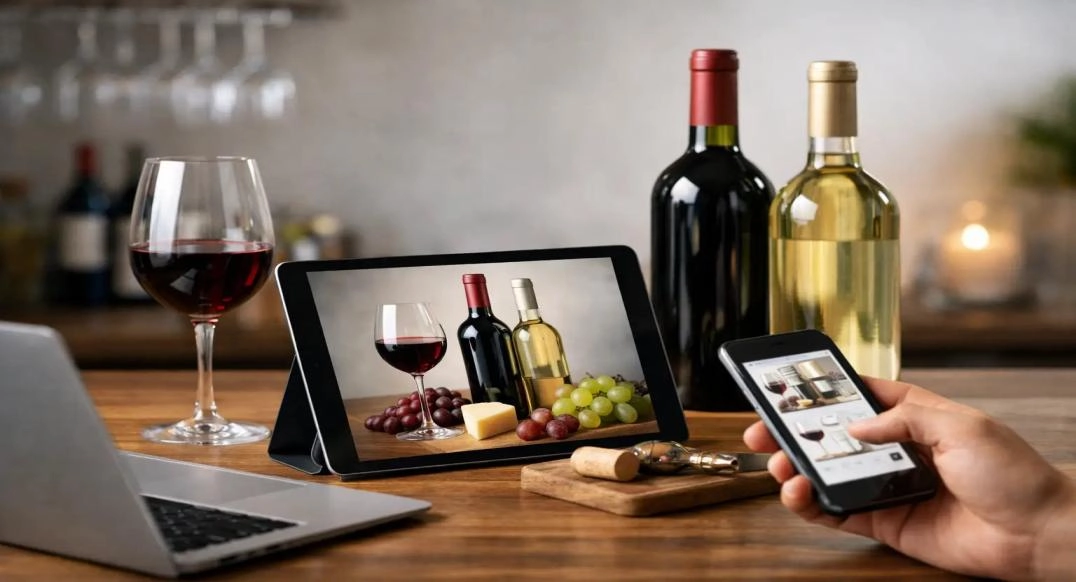
Choosing wine should feel like anticipation, not homework. A good digital sommelier service guide starts there - with the simple idea that expert wine advice can be personal, fast, and genuinely useful, even when the entire experience happens online. For anyone who wants to drink well without scrolling through endless labels or second-guessing a dinner choice, digital sommelier support can turn a complicated category into something confident and enjoyable.
The appeal is not just convenience, although that certainly helps. It is curation. When the right service is in place, you are not left to sort through hundreds of bottles with vague tasting notes and generic filters. You are guided toward a smaller, better set of choices based on occasion, taste, budget, and mood. That shift matters. It changes wine buying from a transaction into a more thoughtful, hospitality-led experience.
What a digital sommelier service actually does
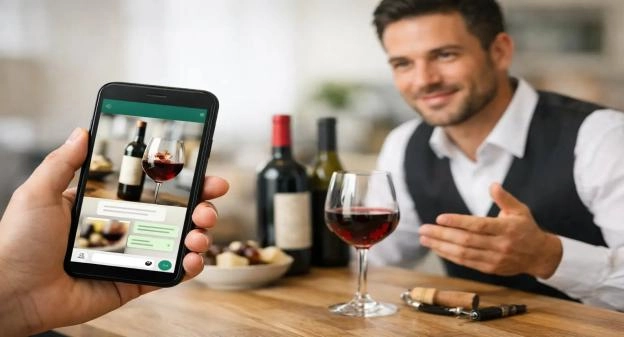
At its best, a digital sommelier service gives you the kind of guidance once reserved for a top restaurant floor or an excellent wine merchant who knows your preferences by heart. The difference is that the relationship now happens through digital channels - often messaging, curated recommendations, virtual consultations, or event-based interactions.
That can mean help choosing a bottle for a dinner party, pairing wines for a holiday menu, sourcing something rarer for a collector, or selecting a gift that feels polished rather than predictable. It can also mean support in the moment. If you are standing in your kitchen at 6:30 deciding whether the menu calls for white Burgundy or a fresher New World Chardonnay, fast access to a knowledgeable sommelier is more valuable than another product grid.
The strongest services do more than recommend wine. They learn your taste over time. They remember that you prefer elegant reds over jammy ones, that you want sparkling wine for brunches but not overly sweet styles, or that your corporate gifts need to feel premium without becoming showy. That memory is where digital service starts to feel genuinely personal.
Why a digital sommelier service guide matters now
Online wine retail has made access easier, but not always better. More availability often comes with more noise. Customers who care about quality do not necessarily want more options. They want better options, presented clearly, by someone who understands the difference between a reliable crowd-pleaser and a bottle that will stand out for the right reasons.
That is why a digital sommelier service guide matters. It helps separate polished service from simple online ordering. Plenty of retailers can ship wine. Fewer can advise with confidence, respond in real time, and make the customer feel looked after from first question to final pour.
For many buyers, especially hosts, busy professionals, and travelers arranging special dinners or gifts, time is part of the value equation. So is reassurance. People want to know the bottle will suit the meal, the mood, and the audience. They want to feel certain without needing to become experts themselves.
The traits to look for in a digital sommelier service
The first thing to look for is direct human access. Not just a chatbot, not just preloaded pairing tags, and not a polished site with no real conversation behind it. A strong digital sommelier service should make it easy to speak with a trained expert who can answer specific questions, refine recommendations, and adjust quickly when plans change.
The second is curation. A smaller, better portfolio usually tells you more than a giant catalog. If every bottle appears to be a bestseller, the service is doing very little editing on your behalf. Real curation reflects taste, standards, and a point of view. It suggests that someone has already done the filtering, which is exactly what most customers are paying for.
The third is responsiveness. Wine decisions are often time-sensitive. A host may need six bottles for that evening. A client gift may need to land before the weekend. A restaurant-quality recommendation loses some of its charm if it arrives after the guests do.
Finally, look for range within the service model. A good digital sommelier should be able to help with easy Tuesday-night drinking and with more elevated occasions. The tone can stay welcoming while the recommendations become more specific. That flexibility is a sign of real expertise.
How the best digital sommelier service guide improves the buying experience
The real value of this model is not that it digitizes wine retail. It is that it brings hospitality into the buying process.
That shows up in small but meaningful ways. Instead of making you interpret a list of tasting notes, the sommelier asks what you are serving. Instead of pushing a prestige label because it is recognizable, the recommendation fits the occasion. Instead of assuming a higher budget means a better answer, the service respects what you actually want to spend.
It also makes discovery more enjoyable. Many customers want to try something new, but not something risky. A trusted sommelier can introduce a lesser-known region, producer, or varietal with enough context to make the choice feel exciting rather than uncertain. That balance between novelty and reassurance is where excellent service earns loyalty.
There is also a social element that often gets overlooked. Wine is rarely just about the bottle. It is about dinner, celebration, gifting, hosting, and conversation. A digital sommelier who understands that will recommend with the full moment in mind, not just the technical profile of the wine.
Where digital service works especially well
Some occasions are almost perfectly suited to this format. Dinner parties are an obvious one. Hosts want wines that pair well, feel considered, and arrive without friction. A digital sommelier can build a selection that covers aperitif, main course, and a final bottle for lingering at the table.
Gifting is another strong fit. The right recommendation depends on the recipient, your relationship, and the impression you want to make. A corporate thank-you calls for a different tone than a birthday gift for a close friend. Good service catches those distinctions.
Collectors and curious enthusiasts also benefit, especially when access to limited or unusual bottles is part of the experience. Digital platforms can create excitement around scarcity in a way that feels immediate and engaging, particularly through timed releases or auction-style formats. For the right audience, that adds energy without losing the premium feel.
And then there is simple everyday use. Not every customer needs a rare bottle or a formal pairing note. Sometimes they just want something excellent for sushi, steak, or a quiet evening on the patio. A service proves its worth when it handles those lower-pressure moments just as well as the grand ones.
What to ask before using a digital sommelier service
A few questions can quickly tell you whether a service is worth your time. Ask how recommendations are made. If the answer is mostly algorithmic, expect convenience more than discernment. Ask whether you can speak directly with a sommelier and how quickly they respond. Ask whether the selection is broad for the sake of volume or intentionally edited for quality.
It also helps to ask how the service handles special requests. Can they source hard-to-find bottles? Can they advise on pairings for a custom menu? Can they support events, tastings, or larger-format entertaining needs? The answers reveal whether the business is truly service-led or simply using premium language around standard retail.
This is where a concept like Vinoteca Cayman stands out naturally. Direct access to in-house sommeliers, a curated portfolio, auction energy, and delivery all support a more complete experience. The point is not just to buy wine online. It is to have a trusted source who helps you choose well, whether you are planning a private dinner, sending a gift, or bidding on something special.
The trade-offs worth knowing
Digital sommelier service is not identical to browsing a physical shop, and for some customers that matters. If you enjoy wandering shelves, reading labels, and making a spontaneous choice in person, online service may feel more directed. For many people, that is a benefit. For others, it can feel like less freedom.
It also depends on execution. A premium promise only works when the service is actually personal. Slow replies, generic recommendations, or an overreliance on scripted language can make the experience feel thinner than a good local merchant. The best services solve this by keeping the human element front and center.
Price perception can be another consideration. Curated service sometimes leads customers to assume everything will be expensive. In reality, a strong sommelier should be able to recommend with taste, not just with price. The right bottle is not always the most expensive one. Often, it is simply the most fitting.
A better way to buy wine
The best digital sommelier service guide comes down to one principle: wine should feel easier, better, and more personal when expertise is close at hand. Not flashy. Not overcomplicated. Just well chosen, well explained, and well suited to the moment.
For customers who value quality but do not want the burden of sorting through endless choice, this model makes a great deal of sense. It offers the confidence of expert guidance with the ease of digital access, and when done properly, it feels less like shopping and more like being hosted.
That is the standard worth looking for - a service that knows a bottle is never just a bottle, because the occasion around it is what people remember.
Related Blogs
How to Order Luxury Wine With Confidence
9 Best Red Wines for Steak
Rare Wine Sourcing Made Smarter

Wine Tasting for Groups That Feels Effortless
Why a WhatsApp Sommelier Service Works
How to Plan a Wine Dinner That Flows
How to Gift Premium Wine Well