


How to Build a Wine Collection With Confidence
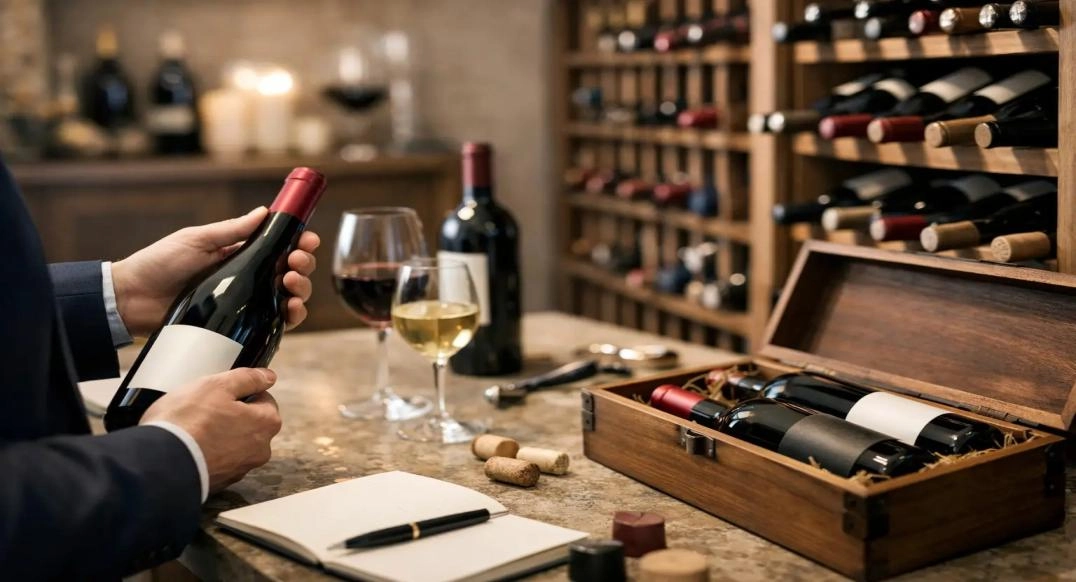
The bottle you open on an ordinary Thursday should be every bit as satisfying as the one you save for a landmark birthday. That is the real pleasure of learning how to build a wine collection: having the right wine close at hand, for the meal, mood, and people in front of you.
A good collection is not a trophy case or a race to acquire famous labels. It is a personal reserve shaped around how you entertain, what you cook, and the styles you genuinely enjoy drinking. A few beautifully chosen bottles will always feel more luxurious than a crowded rack of wines bought without a plan.
Start With Your Drinking Life, Not a Shopping List
Before buying a single case, consider the occasions your collection needs to serve. Do you host relaxed dinners where a bright white and generous red are essential? Are you building toward long lunches, holiday gatherings, business gifts, or a few bottles worth aging? Your answers should determine the collection, not a generic list of "must-have" regions.
For most households, the strongest starting point is a balanced mix of ready-to-drink bottles, a handful of celebratory options, and a smaller selection with the structure to develop over time. This gives you choice without asking you to wait years before enjoying your purchases.
Think in terms of gaps rather than labels. If friends are coming for sushi, do you have a crisp, aromatic white? If steak is on the menu, is there a polished red with enough depth? For an impromptu toast, is there something sparkling and properly chilled? A collection earns its place by making these moments feel effortless.
Build a Core Collection in Layers
The most useful collections have range, but not random variety. Begin with wines that offer reliable versatility, then add personality as your confidence grows. You might favor the mineral freshness of Chablis over richer Chardonnay, or discover that elegant Pinot Noir suits your table more often than powerful Cabernet. There is no correct preference, only a well-considered one.
Your first layer should be wines for regular enjoyment. These are bottles you can open without ceremony: refreshing whites, flexible reds, and perhaps a rosé or sparkling wine for warm afternoons and spontaneous guests. They should reflect your taste and sit comfortably within the budget you are happy to spend on a normal evening.
The second layer is for hosting and occasions. These wines have a little more presence, whether that means a serious Champagne, a textured white for lobster, a mature Rioja for roast lamb, or a graceful Bordeaux for a dinner worth lingering over. Keep enough of these bottles to say yes to an invitation or create an occasion of your own.
The final layer is your cellar selection: bottles bought with time in mind. This is where provenance, vintage, producer, and storage matter more. A young Barolo, classified-growth Bordeaux, Brunello, vintage Champagne, or fine Napa Cabernet can reward patience, but only when it has the structure to improve and the conditions to rest properly. Buying a wine simply because it is expensive is not the same as buying a wine worth aging.
Buy in Small Groups, Then Pay Attention
Buying several bottles of a wine you love is one of the most practical habits a collector can develop. A single bottle tells you whether you enjoy it. Three to six bottles let you experience it across different meals and stages of development.
Open one soon after purchase, another in a year or two, and save the rest for the right occasion. You will begin to understand how your tastes align with a producer or region, while removing the pressure of finding a replacement every time you want to revisit a favorite.
This approach also keeps the collection coherent. Rather than accumulating one-off bottles from every shelf, you build a recognizable point of view. Perhaps your cellar leans toward precise European whites, expressive California Pinot Noir, classic Italian reds, and a dependable supply of Champagne. That is a collection with character.
Keep simple notes, ideally on your phone. Record the wine, vintage, occasion, what you served with it, and whether you would buy it again. A brief note such as "beautiful with grilled snapper, more savory than expected" is far more useful than trying to remember six months later.
Know What to Drink Now and What to Save
One of the common frustrations of collecting is opening a wine too early, then wondering why it felt tight, tannic, or quiet. Equally common is saving a ready-to-drink bottle for so long that it loses its freshness. The answer is not to become overly technical. It is to buy with a drinking window in mind.
Ask when a bottle is likely to show well. Some wines are designed for immediate pleasure. Others may need three, five, or ten years to soften and become more complex. A trusted sommelier can help distinguish between the two, particularly when you are choosing unfamiliar producers or auction bottles.
If you are new to cellaring, let the majority of your purchases be ready to enjoy. A sensible early balance might be around two-thirds for drinking within the next two years and one-third for later. As your storage and confidence grow, you can increase the portion held for aging.
Storage Is Part of the Purchase
In Cayman, storage is not an afterthought. Heat, sunlight, and fluctuations in temperature can quickly undo the pleasure of a carefully chosen bottle. Wine is happiest in a dark, quiet environment with a stable temperature, ideally around 55°F, and bottles with natural corks should generally rest on their sides to help keep the cork from drying out.
A proper wine refrigerator is the simplest solution for a growing collection. It does not need to be enormous, but it should have enough room for the bottles you plan to keep, plus a little space for the wines you will inevitably discover. Avoid storing wine in a kitchen cabinet near the oven, a sunlit display area, or a garage. A handsome rack is only useful if the environment protects what is on it.
If your collection includes valuable or long-term bottles, consider professional storage or seek advice before purchasing. The more serious the wine, the less sensible it is to gamble on conditions.
Set a Budget That Leaves Room for Discovery
A collection should enhance your life, not turn every bottle into a financial decision. Set a monthly or quarterly buying budget, then divide it between familiar favorites and new discoveries. The precise ratio depends on your experience. Newer collectors may want more exploration; experienced buyers may reserve more of their budget for producers they know they will love.
Do not overlook value at different price points. A collection made entirely of prestige bottles can be surprisingly inconvenient. You still need wine for pizza night, a neighbor dropping by, or a casual lunch that becomes a long afternoon. The best cellars have a sense of proportion.
Auctions can be an exciting way to add limited, mature, or hard-to-find bottles, especially when you have a clear ceiling in mind. Bid for wines that fit your plan, not simply because the moment feels competitive. A rare bottle is only a good buy if you are genuinely excited to open it.
Let Food and People Shape Your Choices
Wine collections become memorable when they reflect the way you gather. If your home is known for seafood and sunset dinners, build around Champagne, dry rosé, Albariño, Sauvignon Blanc, and elegant Pinot Noir. If your table often features slow-cooked meats, pasta, and cheese, make room for Chianti Classico, Barolo, Rhône blends, Rioja, and structured Cabernet.
It also helps to keep a few thoughtful bottles for gifting. Choose wines with a story, a polished presentation, or a style broad enough to delight most wine drinkers. A bottle becomes more meaningful when you can say why you selected it.
At Vinoteca Cayman, direct sommelier guidance can make this process feel personal rather than prescriptive. Share what you have enjoyed, how you like to entertain, and what you want the collection to do for you. The best recommendations are not about showing off knowledge. They are about finding wines that belong in your life.
Your collection will change with your tastes, your travels, and the people around your table. Keep it curated, keep it protected, and most of all, open it. The finest bottle in the cellar is often the one that turns an already good evening into a story people remember.
Related Blogs

Online Wine Shop vs Supermarket: Which Wins?
How to Choose Wines Confidently
Digital Sommelier Service Guide
How to Order Luxury Wine With Confidence
9 Best Red Wines for Steak

Rare Wine Sourcing Made Smarter

Wine Tasting for Groups That Feels Effortless