

Luxury Wine Gifting Guide for Every Occasion
A great wine gift does more than arrive in a beautiful bag. It tells someone you noticed the occasion, considered their taste, and chose something worth opening with people they enjoy. This luxury wine gifting guide is designed for those moments when a standard bottle feels too casual and an overly complicated choice feels unnecessary.
The best gifts balance quality with relevance. A celebrated Champagne may be perfect for a promotion, while an elegant, ready-to-drink red may mean more to a host who loves long dinners. The label matters, certainly, but so does the story behind the bottle, the recipient’s confidence with wine, and the moment you want the gift to create.
Start With the Occasion, Not the Price
Luxury does not always mean choosing the most expensive wine available. It means selecting a bottle with intention: something distinctive, beautifully made, and appropriate for the person receiving it. A $100 bottle chosen with care can feel far more generous than a more expensive wine selected only for its reputation.
For celebrations, sparkling wine is the natural starting point. Vintage Champagne, prestige cuvée Champagne, and exceptional sparkling wines from smaller producers all bring instant ceremony. They are especially fitting for engagements, anniversaries, housewarmings, promotions, and milestone birthdays because they invite the recipient to open the bottle when the moment feels right.
For a dinner host, consider what the evening may call for. A refined white Burgundy, a textured Rhône white, or an expressive California Chardonnay makes a polished gift when seafood, roast chicken, or a generous cheese board is likely on the table. For red wine drinkers, classic Bordeaux, Barolo, Brunello di Montalcino, Napa Cabernet Sauvignon, and top-tier Rioja offer a sense of occasion without requiring a special explanation.
Corporate gifting calls for a slightly different approach. The wine should feel impressive but broadly appealing, with a presentation that is discreet and professional. Champagne is often the safest choice, particularly when you do not know the recipient’s preferences well. A respected Cabernet or a well-known Bordeaux estate can also work beautifully for a client who enjoys collecting or entertaining.
Know the Recipient’s Wine Personality
You do not need a detailed tasting history to give a thoughtful bottle. A few simple clues usually point in the right direction. Someone who orders crisp Sauvignon Blanc or rosé on a terrace may appreciate an elegant grower Champagne or a mineral-driven white Burgundy. A friend who gravitates toward bold steakhouse reds may be delighted by Napa Cabernet, a structured Super Tuscan, or a powerful Northern Rhône Syrah.
For the confident enthusiast, the most compelling gift may be a bottle that introduces a new producer, region, or vintage. This is where curation becomes valuable. Rather than defaulting to the same famous label, look for a wine with a strong pedigree and a sense of discovery: a single-vineyard Chardonnay, a mature Rioja Reserva, or a refined Pinot Noir from a respected cool-climate producer.
For a newer wine drinker, familiarity is reassuring. Choose wines with clear character and immediate pleasure rather than something that needs years in a cellar. A beautiful Champagne, a plush Sonoma Pinot Noir, or a polished Tuscan red can feel special without asking the recipient to decode the gift.
If you are uncertain, avoid making assumptions based on gender, job title, or how much someone spends. Ask a useful question instead: do they prefer lighter, fresher wines or richer, fuller styles? Do they tend to reach for white, red, or bubbles? That small piece of information can transform the choice.
Choose Bottles That Feel Gift-Worthy
Certain wines naturally carry gifting appeal because they combine reputation, craftsmanship, and a memorable opening experience. Champagne remains the benchmark, but it is not the only answer. A serious bottle should have a reason to be there, whether that is a renowned producer, a standout vintage, a limited allocation, or a style the recipient genuinely loves.
For the person who has everything
Seek out rarity, not merely cost. Limited-production bottles, older vintages in excellent condition, and wines from small, highly regarded estates make a strong impression because they are not easily found at every restaurant or supermarket. Weekly wine auctions can be a particularly enjoyable route for finding these bottles, especially when you want the gift itself to feel like a discovery.
Older wine is a wonderful gesture, but it is not automatically the better gesture. Mature Bordeaux, Barolo, Rioja, and Champagne can offer extraordinary complexity, yet they require careful sourcing and storage. If you are gifting an aged bottle, make sure it comes from a trusted source and is ready to enjoy, unless the recipient is an experienced collector who prefers to cellar wine themselves.
For a milestone worth remembering
Vintage can add meaning. A wine from a wedding year, birth year, anniversary year, or year a company was founded gives the bottle a personal connection. Availability depends on the region and conditions of that year, so this approach benefits from expert guidance. A meaningful vintage is only a great gift if the bottle is likely to show well now.
Magnums are another exceptional choice for significant celebrations. A 1.5-liter bottle creates theater at the table, serves a group generously, and often ages gracefully. It is ideal for a family holiday, a major birthday, or a host known for gathering friends around a long table. Do keep storage in mind: a magnum is more of an occasion bottle than a casual Tuesday-night pour.
Presentation Should Add to the Experience
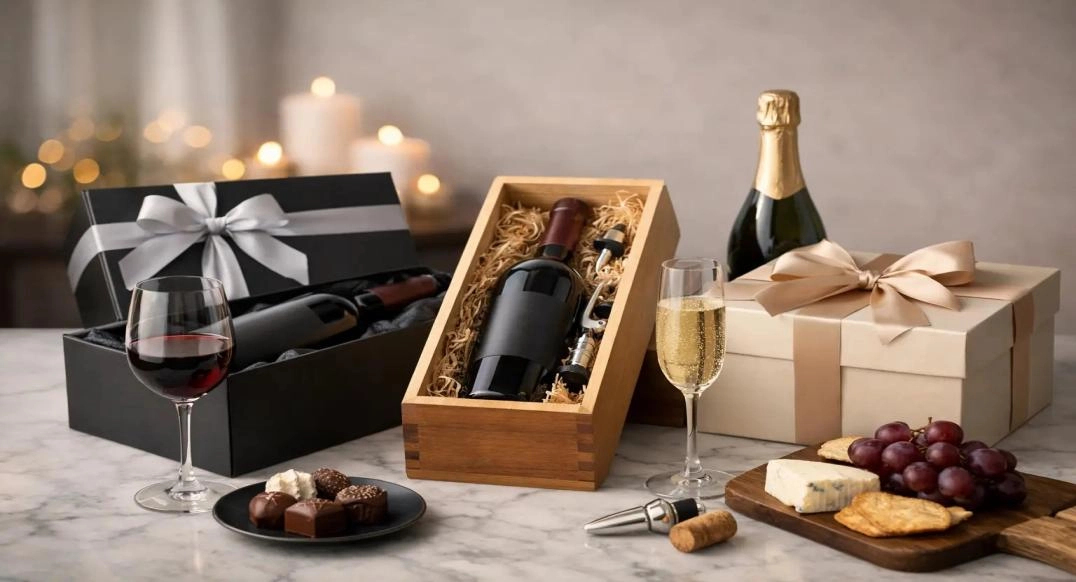
The presentation of a wine gift should feel composed, not overdone. A quality gift box, elegant wrapping, or a handwritten card makes the offering feel complete. The message can be brief. A simple note such as, “For a celebration worth toasting properly,” has more charm than a paragraph about tannin structure.
If the gift is being delivered, timing matters as much as packaging. Wine should not sit outside in heat or be left unattended at an office reception. A concierge-style delivery arrangement gives the recipient the pleasure of receiving the bottle in excellent condition, rather than turning a thoughtful gesture into a logistical problem.
A single bottle can be entirely sufficient, but a small pairing can deepen the experience when it suits the occasion. Champagne with elegant glassware, a fine red with a proper corkscrew, or a bottle selected alongside premium cigars can create a more complete gift. The key is restraint. Additions should support the wine, not distract from it.
Avoid the Most Common Gifting Mistakes
The biggest mistake is choosing a wine for what it says about the giver rather than what it offers the recipient. An obscure, highly tannic bottle may impress a serious collector, but it can feel intimidating to someone who simply enjoys a generous red with dinner. Conversely, a very familiar label can be exactly right when you know it is a personal favorite.
Another misstep is treating every premium bottle as ready to drink. Some wines are released young and need patience. If the recipient does not have a cellar or a collecting habit, ask for a wine that is showing beautifully now or will be approachable within a year or two.
Finally, do not underestimate regional preferences. A guest who loves Italian food may light up over Brunello or Barolo more than a famous Napa Cabernet. Someone who spends summers drinking crisp whites may treasure a serious Chablis over a heavier red. A gift feels luxurious when it feels personal.
When Expert Curation Makes the Difference
A thoughtful wine gift does not require you to become a sommelier before checkout. It does require a source that can ask the right questions, narrow the field, and recommend with confidence. At Vinoteca Cayman, direct access to in-house sommeliers makes that process personal, whether you are sending one exceptional bottle, planning corporate gifts, or looking for something rare enough to surprise a collector.
Share the occasion, your budget, when the bottle will be opened, and anything you know about the recipient’s taste. From there, the best recommendation is often more specific than a famous name: a Champagne with energy and precision for a newly engaged couple, a silky Pinot Noir for a thoughtful host, or a mature red that makes an anniversary dinner linger a little longer.
The bottle will eventually be opened, poured, and remembered in the company it keeps. Choose one that gives the recipient a reason to pause, gather someone close, and make an occasion of it.
Related Blogs

Corporate Wine Event Ideas That Guests Remember

Luxury Wine Experiences That Feel Personal
How to Host a Virtual Wine Tasting at Home

Why Use a Sommelier for Better Wine Choices
How to Build a Wine Collection With Confidence

Online Wine Shop vs Supermarket: Which Wins?
How to Choose Wines Confidently