

Corporate Wine Event Ideas That Guests Remember
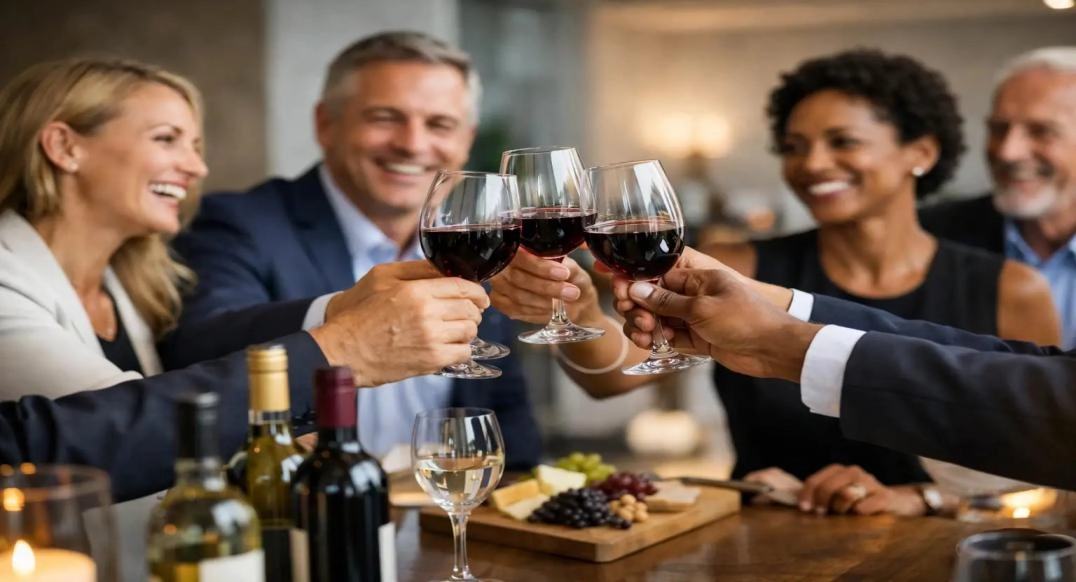
A corporate gathering is often remembered for one small, well-considered detail: the bottle poured at the right moment, the pairing that starts a conversation, or the host who makes every guest feel included. The best corporate wine event ideas do not turn a business occasion into a lecture. They give people a reason to slow down, connect, and enjoy something chosen with genuine care.
For client entertainment, team recognition, executive hosting, or a company celebration, wine creates a natural social rhythm. The format matters as much as the selection. A successful event should feel polished without being stiff, informative without becoming technical, and personal without demanding too much from busy guests.
Start With the Occasion, Not the Wine List
The right wine event begins with a clear purpose. A client appreciation evening calls for a different pace than a team-building session. A launch party may need energy and movement, while a leadership dinner benefits from a more intimate, seated format.
Think first about what you want guests to leave with. If the goal is relationship-building, choose a format that makes conversation easy. If you are celebrating a milestone, build in a sense of occasion with Champagne, limited releases, or a special pour revealed during the evening. If the event is designed to reward employees, focus on discovery and enjoyment rather than formality.
Guest confidence should also guide the plan. A room of experienced collectors may enjoy older vintages and a blind tasting challenge. A mixed group is usually better served by approachable wines, clear storytelling, and no pressure to identify obscure aromas or regions. Good hospitality never makes people feel tested.
Corporate Wine Event Ideas for Every Kind of Guest
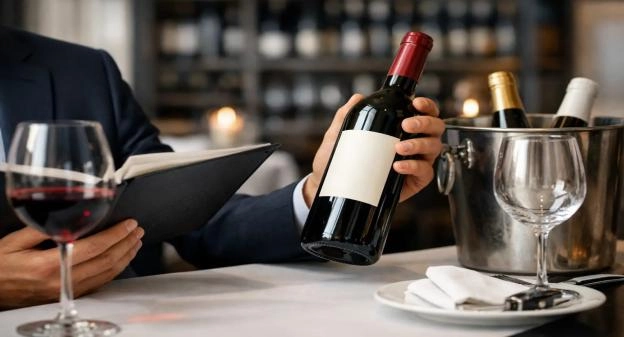
Host a guided tasting with a sommelier
A hosted tasting is one of the most versatile choices for corporate groups. Guests taste a focused lineup of four to six wines while a sommelier gives the room just enough context to make each pour more interesting. The conversation can center on a theme: coastal whites, iconic reds, Old World versus New World, sparkling wines beyond Champagne, or bottles chosen for Cayman entertaining.
This works especially well for client groups because it creates a shared experience without requiring everyone to arrive knowing one another. A confident host can keep the tone relaxed, draw out comments from the room, and make newcomers feel as welcome as seasoned wine drinkers.
For a shorter reception, a walk-around version is often more effective than a formal seated tasting. Set up tasting stations with one person guiding each wine, and let guests move at their own pace. It feels lively, yet still considered.
Build a wine and food pairing dinner
A thoughtful pairing dinner turns a standard corporate meal into an occasion. Rather than selecting one red and one white for the table, design each course around a wine with a purpose. A bright sparkling wine can open the evening, followed by a textured white with seafood, a balanced red with the main course, and a sweet or fortified wine with dessert.
The strongest pairings are not always the most expensive ones. A crisp Riesling with spicy food, a chilled light red with grilled fish, or a mature Bordeaux beside a classic steak can be more memorable than a predictable prestige label. The key is to match the menu, the setting, and the guests.
For a larger group, keep the menu restrained. Too many courses can make a business dinner feel overly formal and can leave less time for conversation. Three well-paired courses are often enough.
Create a sparkling wine reception
Few formats signal celebration as effortlessly as a sparkling wine reception. It is ideal for opening a conference, welcoming visiting executives, marking a company anniversary, or setting the tone before a gala dinner.
Offer two or three styles rather than a single pour. Champagne may be the centerpiece, complemented by a refined Crémant, Franciacorta, or premium English sparkling wine. The comparison gives guests something to talk about and lets the experience feel curated rather than routine.
A sparkling reception also works beautifully with passed canapés. Think fresh seafood, salty bites, delicate cheeses, and small fried dishes. The combination feels generous but never heavy, which matters when the evening is only beginning.
Add a friendly blind tasting challenge
A blind tasting brings a little competition to an event without requiring a room full of experts. Keep it light. Guests might guess the grape, country, price range, or whether a wine is Old World or New World. Small teams work better than individual scorecards, particularly for colleagues who do not know one another well.
The goal is not accuracy. It is conversation. A surprising reveal gives the host a natural moment to share why the wine was selected and what makes it distinctive. This format is especially useful for team events because it encourages people to compare impressions rather than default to shop talk.
Avoid making the tasting too difficult. Four wines are sufficient, and a short list of answer options helps guests participate with confidence.
Turn an auction into the evening’s highlight
For a more exclusive client or executive gathering, a wine auction can create real energy. A few sought-after bottles, large formats, rare vintages, or private tasting experiences can be introduced throughout the evening or offered in a short live finale.
This format suits groups with collectors, competitive personalities, or a charitable purpose. It can also work as an internal reward experience, where the company provides bidding credits or raffle entries rather than asking guests to spend their own money.
The auction needs thoughtful pacing. Too many lots will interrupt the social side of the event. A carefully edited selection of five to eight compelling offerings keeps anticipation high and allows each bottle to feel special. Vinoteca Cayman’s weekly auction model is a useful reminder that rarity becomes more engaging when it is presented with context and a little theater.
Set up a wine discovery bar
A discovery bar is an elegant solution for a drop-in event, networking evening, or office celebration where guests arrive at different times. Feature a concise menu of wines by style: something sparkling, something crisp, something aromatic, something light-bodied, and something richer.
Place simple tasting cards beside each bottle with a few inviting details: flavor profile, ideal food match, and a reason to try it. Avoid dense notes full of technical language. Guests should be able to glance at a card, choose a pour, and feel they have made a good decision.
This format also gives hosts flexibility on budget. You can include one prestige bottle as a focal point while keeping the rest of the selection approachable and high quality.
Details That Make the Experience Feel Considered
Wine alone does not create hospitality. Glassware, temperature, service timing, and food all shape the impression. White wines that are too cold lose their character; reds that are too warm can feel heavy and alcoholic. A professional host or sommelier handles these details quietly, allowing the evening to feel effortless for everyone else.
Make nonalcoholic choices part of the plan from the beginning. Premium sparkling tea, alcohol-free sparkling wine, botanical aperitifs, and thoughtful soft drinks ensure every guest is included in the ritual of a toast or pairing. Offering a real choice is more gracious than treating it as an afterthought.
Consider logistics with the same care as the wine. For an office event, a compact tasting setup may be more practical than a full dinner service. For a villa, private residence, or off-site venue, delivery and professional setup can remove unnecessary pressure from the organizer. The best corporate hosts look relaxed because the details have been anticipated.
Choosing the Right Level of Luxury
Luxury in a corporate wine event is not simply a matter of serving the most expensive labels. It is about relevance. A beautifully selected set of wines, presented by someone who understands the room, will usually make a stronger impression than a table full of famous bottles with no story behind them.
For high-value clients, rare bottles and personalized pairings can be exactly right. For a broad employee celebration, a generous sparkling reception and an engaging tasting may create more enjoyment. Budget, guest count, timing, and the company culture all matter. The most successful choice feels intentional, never performative.
If you are planning your next event, begin with the guest experience you want to create: a little discovery, a little celebration, and plenty of room for genuine conversation. Choose the wines that support that feeling, then let the evening unfold around them.
Related Blogs
Luxury Wine Experiences That Feel Personal
How to Host a Virtual Wine Tasting at Home
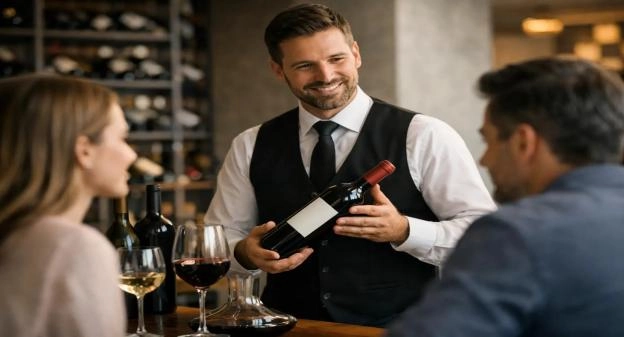
Why Use a Sommelier for Better Wine Choices
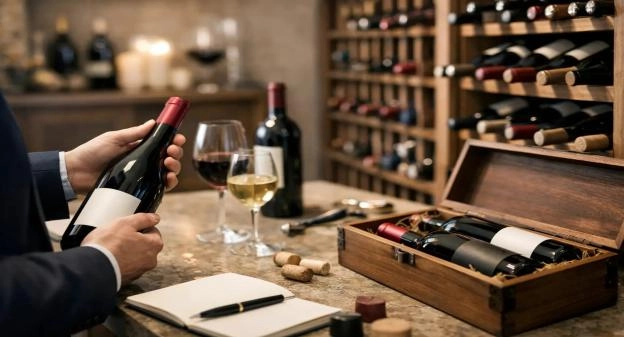
How to Build a Wine Collection With Confidence

Online Wine Shop vs Supermarket: Which Wins?
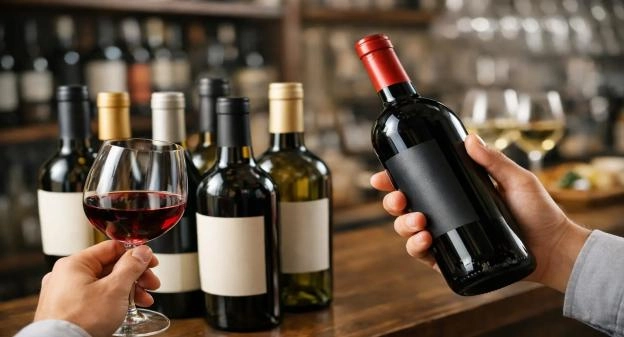
How to Choose Wines Confidently
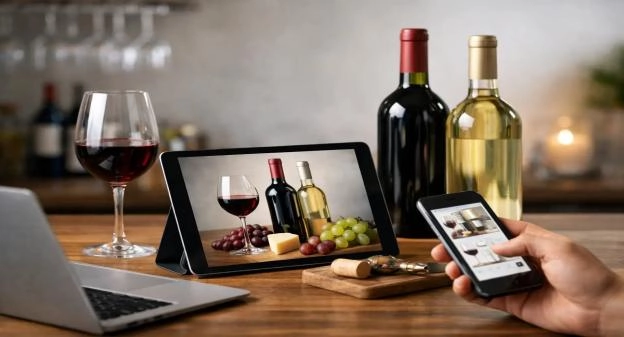
Digital Sommelier Service Guide