

How to Host a Virtual Wine Tasting at Home
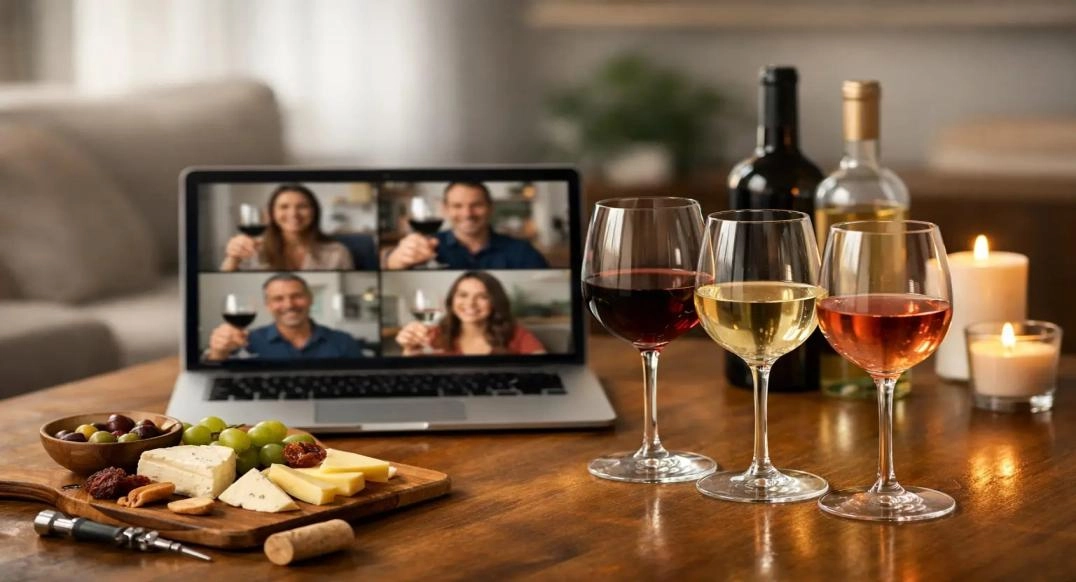
A memorable virtual tasting is not about turning your living room into a lecture hall. It is about giving friends, clients, or far-flung family a reason to pause, pour something excellent, and share a proper conversation. Knowing how to host a virtual wine tasting starts with one simple decision: make the experience feel considered, not complicated.
The screen may separate your guests, but wine has a useful way of closing the distance. With the right bottles, a relaxed host, and a little advance planning, an online tasting can feel every bit as convivial as gathering around a table.
Start With One Clear Tasting Theme
The best virtual tastings have a point of view. A collection of unrelated bottles can be enjoyable, but it asks guests to work harder to find the story. Give the evening a simple thread that makes choosing, pouring, and discussing each wine feel natural.
For a group new to wine, try three styles that show contrast: a bright white, a versatile rosé or lighter red, and a more structured red. For more experienced guests, a focused comparison creates a satisfying conversation. You might pour Pinot Noir from three regions, explore old-world and new-world Cabernet Sauvignon, or taste sparkling wines beyond Champagne.
Keep the format to three wines whenever possible. Two can feel abbreviated, while four may leave guests tired, distracted, or less able to appreciate the final bottle. A fourth wine works for a longer corporate event or a group of committed enthusiasts, provided the pours remain modest.
Choose Bottles That Travel Well and Taste Better Together
When hosting remotely, bottle selection is also event design. Every guest should receive the same wines, ideally from the same vintages, so reactions can unfold in real time. This is where a curated selection matters. The goal is not to impress people with obscurity; it is to create a progression that makes sense in the glass.
Plan for approximately two ounces per wine, per guest. That is enough to observe color, aromas, texture, and finish without making the tasting feel overly formal or overly generous. If couples are joining from one home, one bottle of each wine is usually more than sufficient. Individual tasting kits are ideal for guests joining from separate locations.
Think about temperature before delivery. Sparkling wine and crisp whites should be chilled well, though not icy. Fuller whites benefit from ten or fifteen minutes out of the refrigerator. Lighter reds are often more expressive with a brief chill, while structured reds should be opened in advance and allowed to breathe. A wine that is too cold tastes muted; one that is too warm can feel heavy and alcoholic.
For guests who are unsure where to begin, guidance from a sommelier can take the guesswork out of assembling a flight. Vinoteca Cayman can help shape a tasting around your group, whether the occasion calls for easy-drinking favorites, rare bottles, or a little of both.
Set the Guest List and Timing With Care
Virtual gatherings reward intimacy. Six to twelve households is often the sweet spot: enough people for lively opinions, but few enough that everyone can be heard. A larger group can work beautifully for a company event, but it benefits from a designated host or wine professional who can manage the room and invite participation.
Schedule 75 to 90 minutes for three wines. That allows time for arrivals, introductions, tasting, questions, and the kind of side conversation that makes the event feel human. An hour can work for a concise lunch-hour tasting, but rushing through wine is rarely the right mood.
Send invitations at least one to two weeks ahead, especially if wines need to be delivered. Include the date, start time, video platform, expected duration, and a brief note on what guests will receive. The day before, send a friendly reminder with serving instructions and a request to set aside a few simple supplies: wine glasses, water, a pen, and a light-colored napkin or sheet of paper for viewing the wine.
Give Guests a Small Amount of Preparation
A virtual wine tasting should feel easy from the first sip. Avoid sending a lengthy instruction manual or revealing every detail about the wines in advance. Too much homework can make guests self-conscious, and part of the pleasure is discovery.
A short preparation note is enough. Ask guests to chill the appropriate bottles, open any red that needs air, and have a simple palate cleanser on hand. Plain bread, unsalted crackers, and water are reliable choices. Strongly flavored snacks can distort the wine, particularly with delicate whites and sparkling styles.
If you are sending food pairings, keep them focused rather than elaborate. A creamy cheese may soften the edge of a high-acid white, while charcuterie and earthy mushrooms can be lovely alongside Pinot Noir. The aim is to show guests how food changes a wine, not to serve a complete meal between every pour.
How to Host a Virtual Wine Tasting Without Sounding Scripted
Your role is to create a warm rhythm, not to deliver a master class. Start by welcoming everyone, explaining the evening’s theme, and letting guests know that there are no wrong answers. Wine language can be useful, but nobody needs to identify a precise wildflower or spend five minutes searching for the perfect adjective.
For each wine, begin with the basics: what it is, where it comes from, and why it belongs in the lineup. Then give guests a quiet moment to look, smell, and taste. Silence can feel slightly strange on video, so frame it clearly: invite everyone to take thirty seconds with the glass before sharing impressions.
Use open questions that allow every level of wine drinker to participate. Ask what the wine reminds them of, whether it feels bright or rich, light or full, familiar or surprising. You can ask which food they would serve with it, or whether they would open it on a beach afternoon, at dinner, or for a celebration. These questions are more welcoming than asking guests to prove what they know.
A useful structure for each wine is simple: introduce it, taste it, discuss it, then reveal one or two details that add context. Keep each wine to roughly 15 to 20 minutes. If conversation is flowing, let it run a little longer. If energy dips, move on while curiosity is still intact.
Make Technology Quietly Reliable
Technology should support the evening, not become its main character. Use a familiar video platform and test your camera, microphone, lighting, and internet connection beforehand. Position a lamp in front of you rather than behind you so guests can see both your face and the wine in your glass.
Encourage guests to join five minutes early, particularly if the group includes people who do not use video calls regularly. Have a backup plan for simple issues, such as asking guests to leave and rejoin if audio fails. For larger groups, mute notifications, ask participants to stay muted while someone is speaking, and use the chat for questions that can be answered between wines.
Do not overproduce the occasion. A beautifully set table, good glassware, and a composed host will always feel more inviting than slides full of technical facts.
Keep the Energy Social, Not Serious
The difference between a good virtual tasting and a forgettable one is often participation. Invite guests to vote for a favorite wine after each pour, share a photo of their pairing, or offer a toast connected to the occasion. For a corporate group, a light team challenge can work well: ask everyone to name the wine they would bring to a particular dinner or celebration.
Be alert to the group’s mood. Some guests will want regional details and vintage discussion; others will simply want to know what to buy again. Both are valid. Meet the group where it is, and avoid correcting someone’s personal tasting impression. If a guest smells peaches and another gets citrus, the wine has done its job by starting a conversation.
End With a Reason to Keep Exploring
Before guests sign off, return to the wines they enjoyed most. Ask what surprised them and which bottle they would choose for their next dinner, gift, or relaxed weekend. This gives the evening a sense of completion without making it feel like a sales pitch.
A thoughtful follow-up the next day can extend the experience: share the names of the wines, their ideal serving temperatures, and a few food-pairing ideas. It is also a gracious opportunity to thank everyone for joining.
The finest virtual tastings leave guests with more than a few tasting notes. They leave them feeling looked after, a little more confident in their preferences, and already curious about the next bottle worth opening together.
Related Blogs
Why Use a Sommelier for Better Wine Choices
How to Build a Wine Collection With Confidence
Online Wine Shop vs Supermarket: Which Wins?
How to Choose Wines Confidently
Digital Sommelier Service Guide
How to Order Luxury Wine With Confidence
9 Best Red Wines for Steak