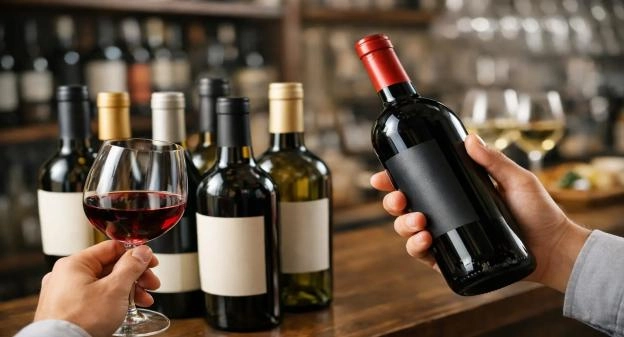


10 Best Bottles for Celebrations, Chosen by Mood
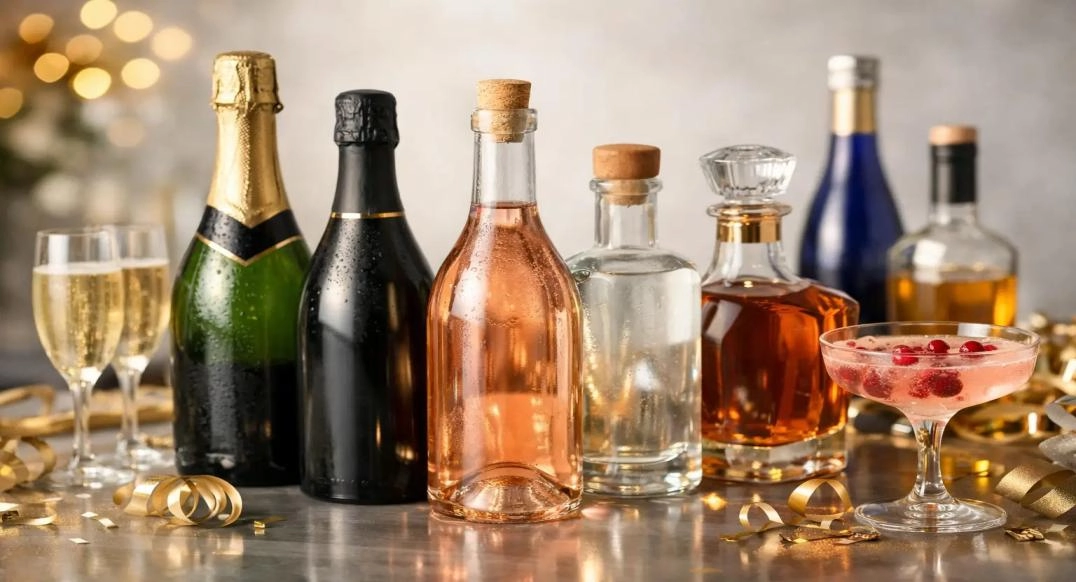
A celebration can turn on one small decision: the bottle poured when everyone arrives. The best bottles for celebrations do more than look impressive on the table. They suit the people, the food, the temperature outside, and the feeling you want the evening to have.
That does not always mean choosing the rarest Champagne or the most expensive red. A relaxed birthday lunch calls for a different kind of bottle than a black-tie anniversary dinner. A generous host chooses with the moment in mind, then lets the wine do what it does best: bring people together.
Start with the occasion, not the label
The most memorable bottles feel right rather than merely prestigious. Before choosing, consider the size and pace of the gathering. Is it an aperitif with passed bites, a dinner centered around a beautiful roast, a beachside sunset, or a gift meant to be opened later?
For a group, freshness and versatility matter. For a formal dinner, structure and age-worthiness may be the priority. For a gift, the story behind the bottle, the presentation, and the recipient’s preferences all deserve equal consideration.
There is also a practical point that hosts often overlook: one 750 ml bottle provides about five proper pours, or six modest ones. For a celebration that begins with bubbles and continues through dinner, plan for both. It is always more gracious to have one excellent bottle left than to be opening something random halfway through the evening.
The best bottles for celebrations by mood
For the toast that starts the night: Champagne
Champagne remains the classic for good reason. Its fine mousse, bright acidity, and sense of ceremony make even a simple gathering feel intentional. A non-vintage Brut Champagne is the most useful choice for a crowd: dry, energetic, and comfortable alongside everything from salty snacks and oysters to fried chicken and truffle fries.
If the occasion is particularly meaningful, step up to a vintage Champagne. These wines tend to offer more depth and texture, with notes of brioche, citrus peel, toasted hazelnut, and mineral freshness. They reward slower sipping and work beautifully at the table, not just during the toast.
For a softer, more romantic direction, choose rosé Champagne. It brings red-fruit character and visual charm without sacrificing lift. It is especially good with tuna tartare, lobster, duck, or a celebratory brunch.
For a sunlit lunch or poolside gathering: Provençal rosé
A serious dry rosé is one of the smartest bottles a host can buy in Cayman. It is refreshing enough for warm weather, polished enough for guests who know wine, and food-friendly enough to carry a long lunch without demanding attention.
Look for a pale, dry style with lively acidity and notes of citrus, white peach, and herbs. Rosé from Provence is the familiar benchmark, though elegant examples from Bandol, Rioja, and Italy can bring more texture and personality. Serve it properly chilled, but not frozen - too cold and its character disappears.
Rosé is not only a casual choice. A magnum of excellent rosé is an especially confident answer for a birthday lunch, boat day, or gathering that will naturally stretch into the afternoon.
For dinner with people who appreciate a classic: Burgundy
Burgundy has a way of making a dinner feel considered. Pinot Noir from Burgundy can be fragrant, silky, and quietly complex, with red cherry, earthy spice, and subtle savory notes. It is an elegant partner for duck, mushroom dishes, roast chicken, pork, and grilled fish with richer sauces.
White Burgundy, made from Chardonnay, is equally celebratory. The best examples combine citrus and orchard fruit with a creamy texture and bright backbone. Pour one with lobster, scallops, roast chicken, or a well-made pasta with cream or butter sauce.
The trade-off is that Burgundy can be nuanced rather than immediately dramatic. If your guests expect large, bold flavors, a generous New World Pinot Noir or Chardonnay may land more easily. But for a dinner built around conversation and exceptional food, Burgundy is hard to beat.
For a steakhouse-style feast: Cabernet Sauvignon or Bordeaux
When the menu includes prime beef, lamb, or a serious roast, choose a red with structure. Cabernet Sauvignon offers blackcurrant, cedar, dark chocolate, and firm tannins, while Bordeaux brings an added note of restraint and savory complexity.
A well-chosen Napa Cabernet can be plush and generous, particularly suited to a festive table where the food is rich and the mood is lively. A mature Bordeaux feels more traditional and contemplative, with cedar, tobacco, graphite, and softened tannins that become especially compelling with age.
Decanting matters here. Young, full-bodied reds benefit from an hour or two of air, which softens the edges and allows the aromas to open. If the bottle has meaningful age, decant more carefully and closer to serving, leaving sediment behind.
For a polished gift: a bottle with a story
The best wine gifts are personal, not generic. A collector may appreciate a mature vintage, a sought-after estate, or a limited-production bottle with provenance. A curious drinker may be more delighted by a beautifully made wine from a region they have not yet explored.
Champagne is an excellent default gift because it immediately signals occasion. For something more distinctive, consider a classified-growth Bordeaux, a Barolo with a few years of bottle age, a top Brunello di Montalcino, or a fine Champagne from a grower-producer. Each has presence, pedigree, and a reason to linger over the label.
If you do not know the recipient’s taste, avoid making the gift overly challenging. A refined, recognizable style is usually more welcome than an obscure bottle selected purely for novelty. Presentation also counts: a handwritten note about when to open it can make a fine bottle feel genuinely thoughtful.
For the guest who wants something unexpected: sparkling beyond Champagne
Champagne may set the benchmark, but it is not the only sparkling wine worthy of a celebration. English sparkling wine can offer striking freshness and precision. Franciacorta from Italy often delivers creamy texture and polished, Champagne-like complexity. High-quality Cava can be bright, dry, and remarkably useful for larger gatherings.
These choices offer a sense of discovery without requiring anyone at the table to be a wine specialist. They are also useful when buying several bottles, since they can provide real quality while leaving room in the budget for a great dinner wine.
A few details that make a bottle feel exceptional
Serving temperature can decide whether a wine feels brilliant or merely fine. Chill sparkling wine well, ideally around 45°F. Serve crisp whites and rosés around 50°F. Fuller whites are better slightly warmer, around 55°F, while most reds show best between 60°F and 65°F. In Cayman’s heat, red wine can warm quickly, so an ice bucket with a little water is a practical tool, not a breach of etiquette.
Glassware also matters, although it need not be fussy. Use clean, generously sized glasses for still wine so aromas can develop. For sparkling wine, a tulip-shaped glass gives more room for fragrance than a narrow flute while preserving the energy of the bubbles.
Most importantly, do not treat a special bottle as something that requires a perfect future moment. The right guests, a good meal, and a reason to be together are enough. At Vinoteca Cayman, a sommelier can help translate that moment into a bottle that feels exactly right - whether the request is “something impressive,” “a crowd-pleaser,” or “a wine they will remember.”
Choose a bottle with confidence, pour it with generosity, and let the celebration take care of the rest.
Related Blogs
Luxury Wine Gifting Guide for Every Occasion

Corporate Wine Event Ideas That Guests Remember
Luxury Wine Experiences That Feel Personal
How to Host a Virtual Wine Tasting at Home
Why Use a Sommelier for Better Wine Choices
How to Build a Wine Collection With Confidence
Online Wine Shop vs Supermarket: Which Wins?