


Wine Gifts for Clients That Feel Well Chosen
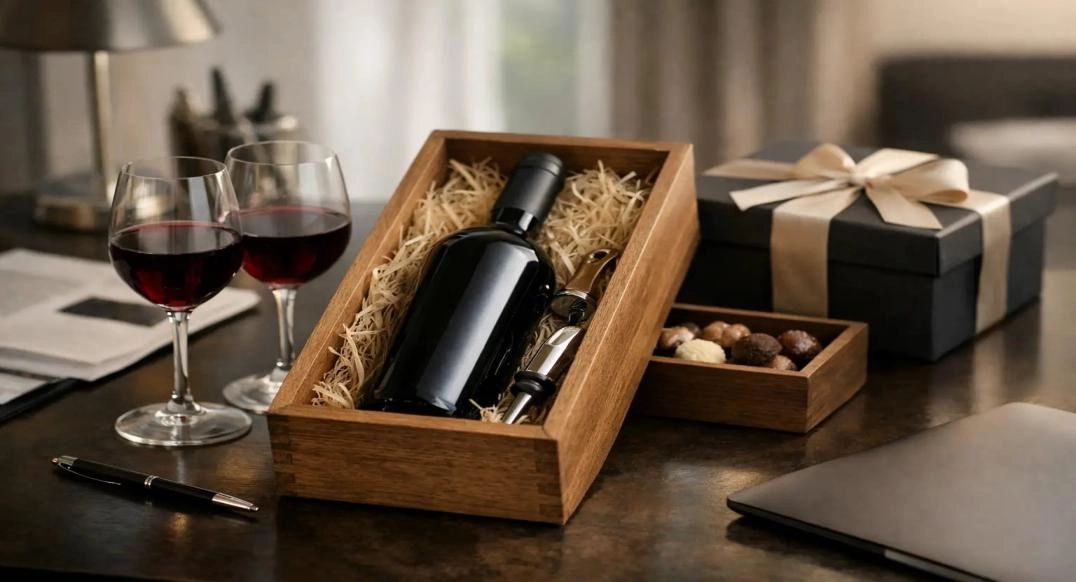
A client gift can do one of two things very quickly - strengthen a relationship or make it feel oddly transactional. That is exactly why wine gifts for clients work best when they feel considered, not generic. The right bottle signals taste, confidence, and appreciation without trying too hard.
Wine has a natural advantage as a business gift because it sits comfortably between professional and personal. It is elevated but not overly intimate, generous without being flashy, and easy to tailor to different budgets and occasions. Still, not every bottle says the same thing, and not every client should receive the same style of gift.
Why wine gifts for clients work so well
A well-chosen bottle has presence. It arrives with a sense of occasion, whether you are marking the close of a deal, thanking a long-standing client, or acknowledging a holiday season that tends to fill up with forgettable gift baskets.
What makes wine especially effective is that it feels curated. Even one bottle can communicate that someone took a moment to think about the recipient. Compared with broad corporate gifting, wine feels more selective and more human.
That said, the detail matters. A prestige label can impress one client and feel impersonal to another. A natural, small-production wine can feel modern and interesting to one person, and unfamiliar to someone who simply wants a classic Napa Cabernet. The best choice depends on the relationship, the recipient, and the message behind the gift.
Start with the occasion, not the bottle
The most successful client gifts begin with context. Are you saying thank you, celebrating a milestone, reconnecting after a period of inactivity, or sending a seasonal gesture to stay top of mind? The answer should shape the wine.
For year-end gifting, classic styles usually land best. Think Champagne, top-tier Cabernet Sauvignon, Barolo, or a polished white Burgundy. These wines feel festive, established, and broadly recognizable. They also carry a certain confidence that suits holiday gifting without requiring the recipient to decode your taste.
For a project completion or deal closing, you can be a little more personal. If you know the client enjoys bold reds, a structured Bordeaux or rich Super Tuscan may feel spot on. If they entertain often, a refined rosé Champagne or elegant Pinot Noir can be more versatile and just as memorable.
For thank-you gifting at a smaller scale, there is no need to overreach. A thoughtfully selected bottle in the right price band often feels better than a more expensive choice that seems random. Clients notice coherence more than cost.
How to choose wine gifts for clients without guessing
If you know the recipient's preferences, use them. If you do not, choose familiarity over experimentation. Corporate gifting is usually not the time to send an aggressively funky orange wine or a very niche producer unless you are certain the client will appreciate it.
A safe and polished route is to stay within a few trusted categories. Champagne is the clearest all-around answer because it suits celebration, entertaining, and gifting almost universally. Premium Napa Cabernet is another strong choice for clients who favor recognizable luxury. Burgundy works beautifully when you want something more refined and understated.
If the client enjoys hosting, think about versatility at the table. A bottle that pairs well with a range of foods often performs better than something highly specific. A balanced red blend, a serious Chardonnay, or grower Champagne can all feel generous and useful.
If the client is a collector or enthusiast, the equation changes. Here, rarity and story matter more. Limited allocations, mature vintages, or bottles with some conversation value can make a stronger impression than mainstream prestige labels. This is where expert guidance becomes especially useful. A sommelier-led recommendation can turn a good gift into one that feels remarkably on point.
Matching the gift to the client relationship
Not every client relationship calls for the same level of formality. A long-standing client you know socially may appreciate something more distinctive, especially if you know their palate. A newer corporate contact may be better served by a more classic and professionally neutral selection.
There is also the matter of hierarchy and company culture. In some industries, lavish gifting can feel awkward or raise compliance concerns. In others, a premium bottle is entirely appropriate and expected. If there is any uncertainty, a restrained but high-quality choice is usually the smartest move.
Packaging also changes the tone. A single bottle with elegant presentation can feel sleek and modern. A two- or three-bottle set makes more impact when the relationship is substantial or the occasion is important. More is not always better, though. The gift should feel proportional.
What to avoid when sending client wine gifts
The biggest mistake is choosing wine based only on price or label recognition. Expensive does not always read as thoughtful. A bottle can be prestigious and still feel generic.
Another common error is overpersonalizing when you do not know enough. If you are unsure whether a client drinks red, white, or sparkling, a broad-appeal style is safer than a highly specific choice. The goal is confidence, not risk.
It is also worth paying attention to logistics. A beautiful wine gift loses some of its effect if delivery is delayed, poorly presented, or missing a polished note. Timing matters, especially during holiday periods when both schedules and shipping windows get crowded.
And of course, wine is not appropriate for every recipient. Some clients do not drink for religious, personal, or health reasons. If that possibility exists and you do not know the answer, it is better to confirm quietly or select an alternative gift. Good gifting should never put the recipient in an uncomfortable position.
Presentation matters as much as the bottle
A client gift is never just the wine. It is the full experience of receiving it.
That includes clean, premium packaging, a message that sounds human rather than automated, and a delivery process that feels dependable. The note should be brief but intentional. Thank them for the partnership, mention the occasion, and keep the tone warm and professional. There is no need for a long speech.
This is also where curation earns its value. When the wine has clearly been chosen by someone who understands both the bottle and the recipient, the entire gift feels elevated. That is one reason concierge-style service works so well for corporate buyers. It removes guesswork while keeping the gift personal.
For clients in markets where service and convenience matter as much as selection, a digital-first wine partner with direct sommelier access can make the process far smoother. Vinoteca Cayman, for example, is built around exactly that kind of guided selection - helping clients choose confidently, present beautifully, and deliver without friction.
A few client-friendly wine directions that usually work
If you want a practical starting point, think in terms of style rather than chasing labels. Champagne is celebratory and broadly appreciated. Napa Cabernet feels generous and familiar. Burgundy suggests discernment. Super Tuscans bring richness and modern polish. Fine rosé Champagne works especially well for social clients who entertain.
For warmer climates or clients with lighter tastes, a premium white can be an excellent choice and often feels more original than another red. White Burgundy, high-end Sauvignon Blanc, or top-tier Champagne can all perform beautifully.
The point is not to impress with obscurity. It is to select a wine that feels easy to enjoy and well suited to the recipient's world.
The best wine gifts for clients feel personal, not performative
There is a difference between sending wine and giving a wine gift. One checks a box. The other reflects attention.
Clients remember gifts that feel aligned with who they are and how the relationship feels. Sometimes that means sending a bottle with prestige. Sometimes it means choosing something more subtle, more food-friendly, or more distinctive. It depends on whether your client values recognition, rarity, hospitality, or ease.
That is why the best corporate gifting is rarely about finding one universally perfect bottle. It is about making a smart match. When the selection is thoughtful, the presentation is polished, and the timing is right, wine becomes more than a courtesy. It becomes part of the relationship.
If you want your gift to say something worthwhile, choose the bottle the same way you would choose your table for an important dinner - with taste, intention, and just enough personality to be remembered.
Related Blogs
How to Gift Premium Wine Well

How to Host Wine Night With Style
The Future of Online Wine Retail

Guide to Rare Wine Auctions for Smart Buyers

10 Best Wines for Dinner Parties

Premium Wine Delivery Guide for Better Buying

What a Wine Concierge Service Really Does