


Which Supermarket Has the Best Wine Selection?
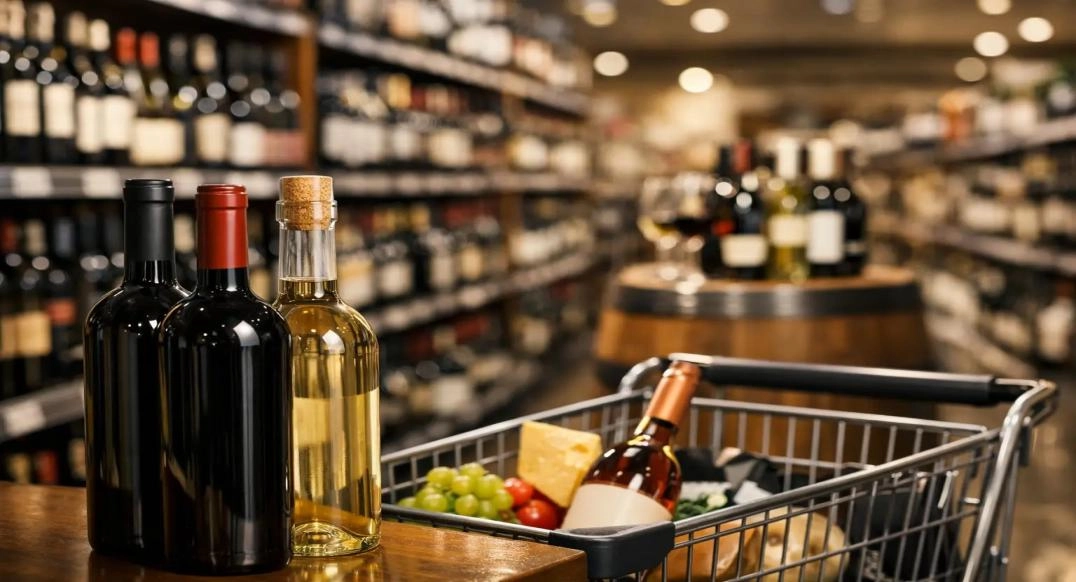
Most people asking which supermarket has the best wine selection are really asking a more practical question: where can I buy a bottle I’ll actually be happy to open tonight? That shifts the conversation fast. A massive aisle packed with labels is not automatically a good selection, and a smaller set of bottles chosen with care can be far more useful.
That is the first distinction worth making. Selection is not just about quantity. It is about relevance, condition, price spread, and whether the wines make sense for real life - weeknight pasta, last-minute guests, a proper dinner party, a gift, or something worth cellaring for a little while.
Which supermarket has the best wine selection? Start with what “best” means
If you judge purely by shelf count, the answer may lean toward a larger premium grocer or a big-format supermarket with a dedicated wine buyer. These stores often carry more regions, more grape varieties, and more price points. You might see familiar Napa Cabernet next to a grower Champagne, a few serious Burgundies, and a respectable set of Italian reds.
But that kind of breadth only matters if the bottles are chosen well and stored properly. A supermarket can offer 300 wines and still feel generic if half the range is repetitive private label, tired brands, or bottles sitting under bright lights for too long. Another store might stock 60 wines and feel far stronger because every bottle has a clear place.
For most shoppers, the best wine selection means four things working together: dependable quality, enough variety to suit different occasions, sensible pricing, and some sign that an actual human made thoughtful decisions.
What separates a strong supermarket wine department from a weak one
The strongest wine aisles are edited, not crowded. You can see a clear structure in them. There is usually a smart entry level for easy drinking bottles, a confident middle tier for dinner and entertaining, and a smaller premium section for when the occasion calls for more presence.
You also want range without chaos. That means more than six versions of the same anonymous Pinot Grigio. It means a few crisp whites, a couple of textured whites, lighter reds, fuller reds, sparkling options, rosé that feels current rather than left over, and dessert or fortified wine if the store is serious.
Storage matters more than many shoppers realize. Heat, direct light, and dusty neglected shelves are not minor details. They affect how wine tastes. A supermarket can carry excellent producers, but if the bottles are handled poorly, the selection is weaker than it looks.
Then there is turnover. A busy, well-managed section tends to be fresher, especially for aromatic whites, rosé, and sparkling wine. A bottle of Sauvignon Blanc that has been sitting around for too long is not doing anyone any favors, no matter how recognizable the label is.
The supermarkets that usually perform best
There is no universal winner because supermarket performance varies by city, country, and even by individual branch. Still, certain types of stores tend to do better than others.
Premium grocery chains often have the most balanced offering. They usually combine recognizable labels with a few more interesting picks, and they are more likely to invest in proper presentation and storage. These stores are often the safest answer when you need a crowd-pleasing bottle quickly and do not want to overthink it.
Large mainstream supermarkets can surprise you on value. Their strength is often breadth and promotional pricing. If you know what you are looking for, you can do very well. The trade-off is inconsistency. One location may have a sharp wine buyer and a tidy, well-rotated aisle. Another may feel like a warehouse of random discounts.
Upscale specialty grocers sometimes offer the most exciting supermarket-adjacent wine selection. The range may be smaller, but the standard is often higher. You are more likely to find bottles with a sense of place rather than just big-volume brands designed to be easy and forgettable.
Warehouse clubs can be excellent for price, especially on Champagne, established producers, and party-scale buying. The catch is that discovery is not usually the point. These are strong for stocking up, less strong for nuanced guidance or a beautifully curated mix.
How to tell in five minutes whether a supermarket wine selection is actually good
Walk the aisle once without touching anything. A good section tells you what kind of shopper it serves. If every shelf is dominated by discount tags and loud branding, the focus is volume. If you can spot a few trusted producers from different countries, a sensible progression of prices, and signs of seasonal relevance, someone is paying attention.
Look for import diversity. If the store only carries a narrow handful of countries and styles, the selection may be broad in number but shallow in character. A stronger range usually includes France, Italy, Spain, the United States, and at least a few smart bottles from places like Portugal, Argentina, New Zealand, or Austria.
Check the lower-middle price band carefully. This is where the real quality of a buyer shows. Almost any store can stock expensive trophy bottles or very cheap mass-market wine. The more revealing question is whether they offer genuinely good options in the range most people actually buy.
Finally, notice whether there is any context. Shelf talkers, food pairing notes, staff picks, or even simple organization by style can make the experience much better. Wine should feel inviting, not like a decoding exercise.
Best for everyday drinking versus best for entertaining
One reason the question is tricky is that the best supermarket for Tuesday night is not always the best one for Saturday night.
For everyday drinking, value and consistency matter most. You want a place where you can grab a reliable white, a versatile red, and maybe a sparkling option without spending too much mental energy. Mainstream chains and warehouse formats often do well here, especially when promotions are strong.
For entertaining, you need more confidence in the range. You want bottles that feel considered, labels with a little personality, and perhaps a premium step-up that still feels worth the money. This is where premium grocers and curated retailers tend to outperform broader supermarket formats.
For gifting, presentation matters too. A supermarket may have a good bottle, but if the selection feels anonymous, the gift can lose some impact. A curated wine merchant or concierge-style retailer often makes more sense when the bottle needs to say something.
Why the best wine selection is not always in a supermarket
Supermarkets are convenient. Sometimes they are genuinely strong. But convenience and expertise are not the same thing.
A supermarket is built to serve many categories at once. Wine is one department among many. Even an excellent grocery chain rarely offers the same level of guidance, confidence, and discovery as a retailer built around wine itself. That difference matters when the moment matters - a dinner with clients, a milestone birthday, a case for a holiday house, or a bottle meant to impress someone who knows what they are drinking.
This is where curation becomes more valuable than sheer volume. A well-chosen selection saves time, lowers risk, and often leads to better drinking. Instead of scanning 200 labels and hoping for the best, you get a tighter range where the weak options have already been removed.
That is also why a service-led model can feel so much more modern. Rather than asking which supermarket has the best wine selection, a better question may be: who can recommend the right bottle for this exact occasion? For many buyers, that is the more useful benchmark.
The smarter way to buy wine when choice gets noisy
If you enjoy browsing, a strong supermarket can absolutely be part of your wine routine. It is practical, fast, and sometimes unexpectedly rewarding. But if you are buying for a specific meal, event, or taste preference, the best experience usually comes from expert filtering rather than endless shelf space.
That is the advantage of a curated concept like Vinoteca Cayman. The point is not to overwhelm you with options. It is to help you land on the right one, with sommelier guidance, a tighter edit, and the kind of confidence a crowded supermarket aisle rarely delivers.
So which supermarket has the best wine selection? The honest answer is: the one that matches your occasion, offers well-kept bottles, and shows real thought in the mix. And when you want more than a decent guess, choose a place where selection comes with judgment. Your glass will tell the difference.
Related Blogs

Luxury Wine Experiences That Feel Personal

How to Host a Virtual Wine Tasting at Home

Why Use a Sommelier for Better Wine Choices
How to Build a Wine Collection With Confidence
Online Wine Shop vs Supermarket: Which Wins?
How to Choose Wines Confidently

Digital Sommelier Service Guide