

What Makes a Great Wine Delivery Service?
It usually starts the same way. You need a bottle for dinner, a gift that feels considered, or something better than your usual weeknight pour, and suddenly the options are either too limited or far too broad. A good wine delivery service should solve that tension. It should make choosing easier, not turn a simple decision into homework.
That is the real standard people care about. Convenience matters, of course, but convenience alone is not especially memorable. What makes a wine purchase worth repeating is the feeling that someone has already done the filtering for you, understood the occasion, and helped you land on something you are genuinely pleased to open.
Why a wine delivery service is no longer just about speed
Fast delivery is useful, but in wine, speed is only part of the story. Most customers are not looking for the digital version of grabbing the nearest bottle off a shelf. They want confidence. They want to know the rosé will suit a long lunch, the Champagne will feel celebratory, or the red arriving for dinner will actually work with the menu.
That is where many services fall short. They offer plenty of inventory but very little direction. You may receive the bottle quickly, yet still feel uncertain while checking out. For a category built around taste, setting, and occasion, that uncertainty matters.
A better model combines access with judgment. Instead of presenting endless pages of labels, it narrows the field with intention. That does not mean a smaller experience. In practice, it often feels more expansive because each recommendation has context behind it.
The best wine delivery service feels curated
Curation is often used loosely, but in premium wine retail it should mean something specific. It should mean the wines were selected because they are distinctive, reliable, and worth your attention, not because they simply fill a category.
For the customer, that changes the experience immediately. You are not sorting through fifty interchangeable Sauvignon Blancs. You are choosing between a few strong options, each with a reason to exist in the lineup. One might be ideal for seafood, one for gifting, and one for guests who prefer a fresher, more mineral style.
That kind of editing is valuable because it respects your time. It also respects the fact that many buyers, even enthusiastic ones, do not want to decode every producer, region, and vintage before placing an order. They want to feel guided, not tested.
A curated service also tends to lead to better discovery. When the selection is thoughtful, customers become more willing to try something new because the risk feels lower. You are not choosing blind. You are choosing within a framework of trust.
More choice is not always better
There is a common assumption that the best retailer is the one with the biggest catalog. In some categories that may be true. In wine, it depends on the buyer.
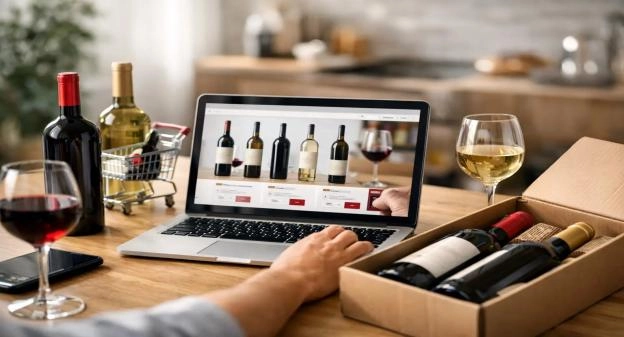
Collectors may enjoy breadth, especially when chasing rare bottles or comparing producers. But for many people, too much volume creates hesitation. The paradox is familiar: the more labels you scroll through, the less certain you feel. A strong service recognizes when abundance helps and when it simply adds noise.
Expert guidance is what separates good from forgettable
Wine is personal, which is exactly why human guidance matters. Two customers can ask for a bold red and mean completely different things. One wants a rich Napa Cabernet for steak. Another wants a smoother, softer bottle that feels generous without being heavy. A search filter cannot always catch that distinction.
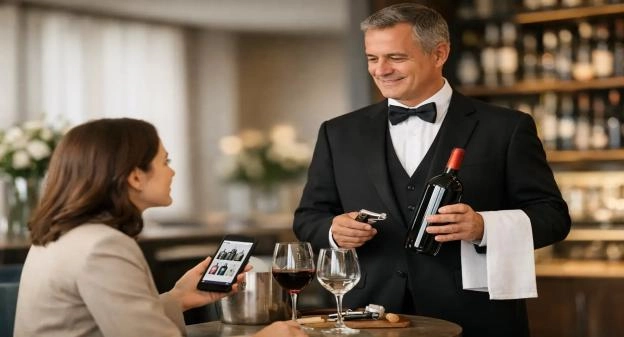
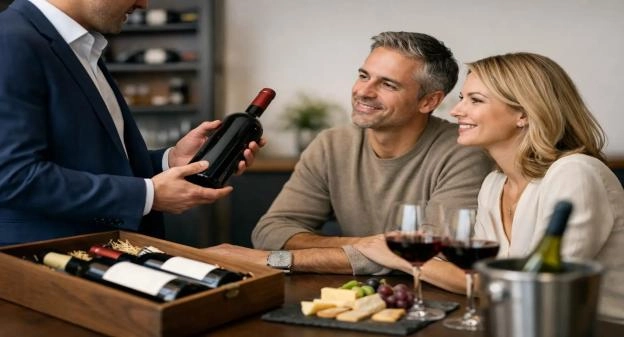
This is where direct access to a knowledgeable advisor changes everything. When a sommelier or wine expert can recommend in real time, the transaction becomes a conversation. The customer gets reassurance, but also a better result. That is especially useful for entertaining, gifting, and pairings, where the wrong bottle can feel more disappointing than merely inconvenient.
Expert support also removes some of the intimidation that still exists around wine. People often know what they enjoy but not how to describe it in technical terms. They may say they want something crisp, elegant, or not too oaky. A good advisor translates that into actual bottles without making the customer feel out of their depth.
That sense of ease is a luxury in its own right.
A wine delivery service should match the moment
The best bottle for a Tuesday night is not always the best bottle for an anniversary dinner, a beach gathering, or a corporate gift. A strong wine delivery service understands that customers are often shopping for a moment, not just a product.
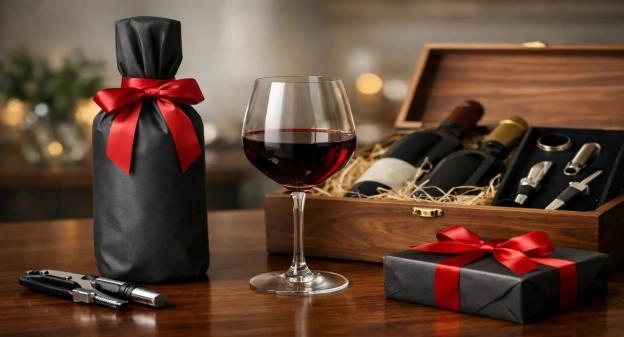
That means recommendations should be occasion-aware. If you are hosting outdoors in warm weather, freshness and versatility may matter more than prestige. If you are sending a thank-you gift, presentation and producer recognition may carry more weight. If you are planning a dinner party, pairability and crowd appeal can be more important than chasing the most unusual label.
This is one reason relationship-driven service tends to outperform purely transactional models. Over time, a retailer learns your preferences, your style of entertaining, and the level at which you like to buy. The suggestions get sharper. The process gets easier. The bottles feel more like your bottles, not generic recommendations sent to everyone.
Delivery matters, but so does the experience around it
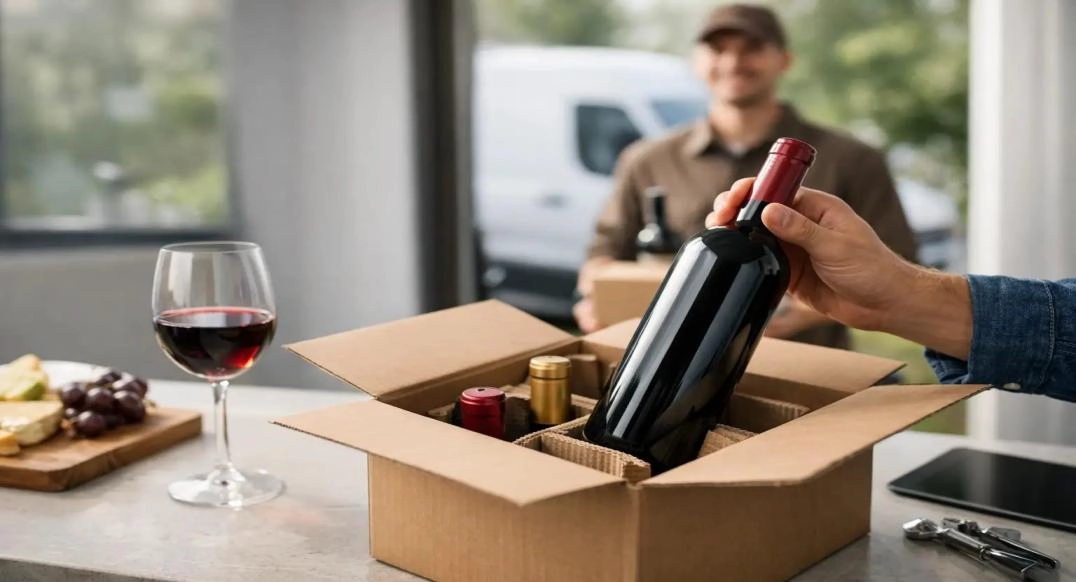
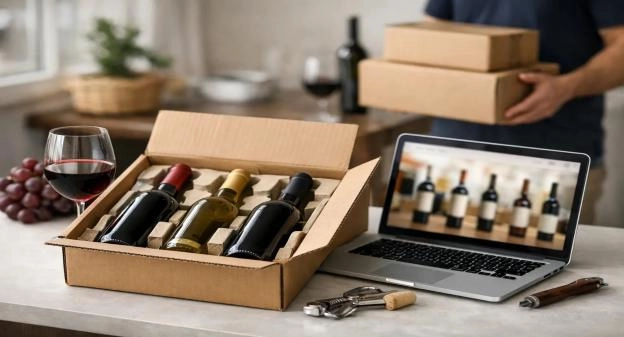
A premium service should make delivery feel effortless. The bottle should arrive when expected, in excellent condition, and ready for the role it is meant to play. That sounds basic, but reliability shapes trust more than almost anything else.
Still, the surrounding experience matters just as much. Clear communication, responsive support, and polished presentation all contribute to whether a service feels elevated or merely functional. If a customer has a last-minute change, a pairing question, or a request for something more specific, the response should feel attentive rather than procedural.
For premium buyers, that distinction matters. They are not simply paying for logistics. They are paying for confidence, taste, and care.
Discovery should feel exciting, not random
One of the pleasures of wine is that there is always more to discover. A well-run wine delivery service should preserve that sense of excitement while still giving structure to the buying experience.
This can take different forms. Limited releases create urgency and reward attention. Seasonal selections keep the offer fresh. Rare-bottle access appeals to collectors and gift buyers. Interactive formats such as online auctions add a different kind of energy, especially for customers who enjoy the thrill of securing something distinctive.
When handled well, these moments do more than drive sales. They build engagement. The customer begins to return not only because they need wine, but because they are curious about what is available next.
That is a much stronger position than competing on convenience alone.
What customers should look for before choosing a service
If you are evaluating a wine delivery service, the most useful question is not simply how many bottles it stocks or how fast it can deliver. Ask how well it helps you choose.
Look at whether the selection feels intentional. Pay attention to whether recommendations are tailored or generic. Notice if the service can support different needs, from casual drinking to special occasions to gifting. And if expert access is available, consider how much value that adds over time. For many customers, it becomes the difference between ordering wine and being looked after.
A service-led model is especially compelling for people who enjoy good wine but do not want to spend unnecessary time sorting through labels. It offers a level of discretion and polish that suits modern lifestyles well. You can move from idea to recommendation to delivery without losing the sense that the experience is personal.
For customers who want more than a cart full of bottles, that is where the category is heading. Vinoteca Cayman reflects that shift particularly well, combining curated selection, direct sommelier access, and delivery in a way that feels both polished and genuinely attentive.
The best wine service does not just bring wine to your door. It brings the right bottle, with the right guidance, for the right moment - and makes the whole experience feel easy in the most refined way.
Related Blogs
How to Gift Premium Wine Well

How to Host Wine Night With Style
The Future of Online Wine Retail

Guide to Rare Wine Auctions for Smart Buyers

10 Best Wines for Dinner Parties
Premium Wine Delivery Guide for Better Buying
What a Wine Concierge Service Really Does