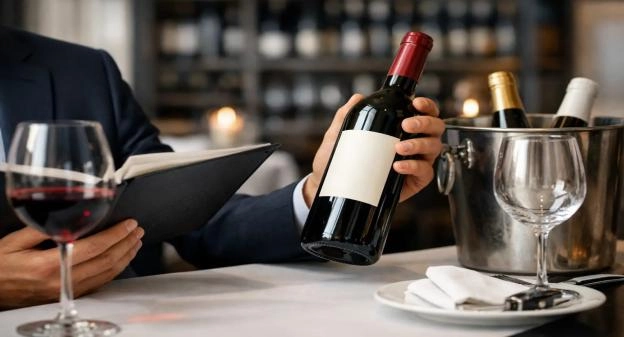


What a Boutique Wine Shop Should Offer
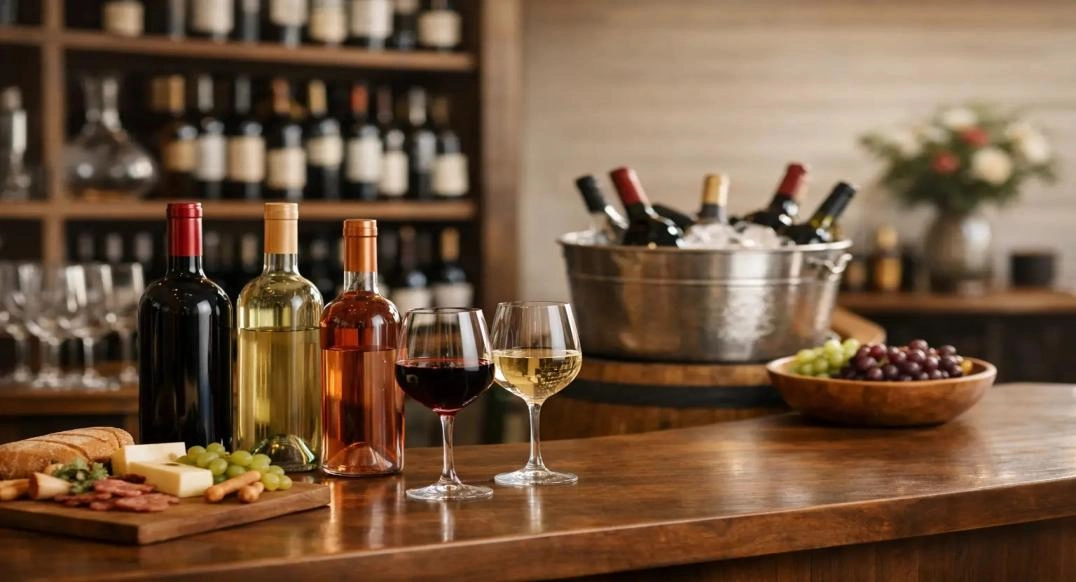
You can tell the difference in the first few minutes. A true boutique wine shop does not try to impress you with endless shelves, vague tasting notes, or the pressure to already know what you want. It gives you something better: a point of view. The selection feels intentional, the advice feels personal, and the experience leaves you more confident than when you started.
That matters because buying wine is rarely just about buying wine. It is about choosing the right bottle for dinner on Friday, a gift that feels polished without looking obvious, something memorable for a celebration, or a case that quietly says you have excellent taste. When the shop gets that right, the relationship becomes valuable very quickly.
Why a boutique wine shop still matters
There is no shortage of places to buy wine. Large retailers offer volume. Restaurants offer convenience in the moment. Online marketplaces offer range. Yet none of those automatically deliver discernment, and that is where a boutique wine shop earns its place.
The appeal is not exclusivity for its own sake. It is editing. Most people do not want 800 bottles to sort through after a long day. They want 30 or 80 or 200 bottles that have been chosen with care, with a clear standard behind them, and with enough variety to suit different tastes and occasions.
Good curation saves time, but it also improves the result. Instead of settling for what looks familiar, you are introduced to wines that are well made, food-friendly, and genuinely worth opening. That could mean a smarter weeknight white, a serious Bordeaux for the cellar, or a bottle of Champagne that makes a dinner party feel just a little more electric.
What separates a boutique wine shop from a standard retailer
A boutique wine shop should feel selective, not small. There is a difference. A limited assortment with no imagination is simply limited. A focused assortment built by experts feels sharp, useful, and full of possibility.
The best shops choose with purpose. They know why each bottle is there. They can explain who it suits, what it pairs with, when to open it, and what makes it worth your attention. That kind of clarity is far more helpful than a wall of labels and a discount sign.
Service is the second dividing line. In a standard retail environment, the interaction is often transactional. In a boutique setting, it should feel consultative. Not stiff, not theatrical, and certainly not intimidating. Just informed, attentive guidance from someone who understands both the wine and the occasion.
That is especially valuable for buyers who want quality without having to decode every region, producer, and vintage on their own. Expertise should make the process lighter, not more complicated.
The boutique wine shop experience customers actually want
Luxury in wine retail is not about making people work harder to prove they belong. It is about making good taste feel easier to access.
For many customers, the ideal experience starts with a few simple questions. What are you serving? Who are you hosting? Do you want a safe classic or something with a little conversation around it? Are you buying for tonight, for the weekend, or for a gift? Those questions do more than narrow options. They signal care.
That care is what turns a purchase into a relationship. The customer who asked for a crisp white for seafood in April may come back in June for rosé, in November for holiday gifts, and in December for a large-format bottle that anchors a table. If the guidance has been good, there is already trust in place.
This is one reason digital-first wine retail has become so compelling. A boutique wine shop no longer needs a traditional walk-in format to feel personal. In many cases, direct access to a sommelier, fast recommendations, and delivery to your door is more useful than browsing a physical aisle. Convenience is not the opposite of hospitality. When done well, it is hospitality.
Curation is the real luxury
Anyone can claim to sell premium wine. The stronger question is how those wines were chosen.
A serious boutique wine shop is built on selection, not accumulation. Its range should reflect taste, discipline, and a clear philosophy. You should see classics, certainly, but also thoughtful discoveries. Not obscure bottles chosen to show off, but wines with character that earn their place.
This matters for both newer buyers and experienced collectors. If you are still building confidence, curation removes noise. If you already know what you like, curation introduces depth. In both cases, the shop is doing some of the work that would otherwise fall to you.
There is also a practical advantage. Curated selection tends to improve consistency. You are less likely to encounter filler bottles that exist only to occupy a price point. Instead, you get a portfolio where each wine contributes something, whether that is reliability, energy, rarity, age-worthiness, or food-pairing value.
Why sommelier access changes everything
One of the most useful things a boutique wine shop can offer is immediate, human advice. Not a generic recommendation engine. Not a polished but vague product description. A real conversation.
This is where the modern premium model becomes especially effective. Being able to message a sommelier directly and ask, “I need two reds for lamb, one white for cocktail hour, and a host gift under a certain budget” removes friction from the entire process. It makes wine buying feel less like research and more like being looked after.
It also raises the quality of the decision. A sommelier can read the moment in a way filters cannot. They can steer a collector toward a limited release, help a host avoid an overly heavy red in warm weather, or suggest a bottle that feels impressive without becoming predictable.
There is nuance here, of course. Not every purchase requires expert intervention. Some customers know exactly what they want, and speed matters more than conversation. But the presence of guidance when needed changes how the whole shop feels. It gives the customer confidence that there is intelligence behind the selection.
Rare bottles, auctions, and the thrill of discovery
For a certain kind of buyer, wine shopping should have a little pulse to it.
That does not mean gimmicks. It means access. Limited bottles, special parcels, and well-run auctions add energy to a boutique wine shop because they create moments of discovery that feel earned rather than mass marketed. They invite customers to engage, not just transact.
Auctions are especially interesting in a digital environment. They bring timing, competition, and exclusivity into the experience, while also giving collectors and enthusiasts a reason to check in regularly. Even for customers who are not chasing trophy bottles, that sense of movement can be part of the appeal. It keeps the shop alive.
The key is balance. A boutique wine shop should not become so focused on rarity that it forgets the everyday pleasures of drinking well. The best ones can do both. They can help you secure something special for a milestone birthday and also recommend an excellent bottle for a Wednesday dinner with friends.
Boutique wine shop, modern expectations
Today’s customer expects more than beautiful packaging and premium language. They want responsiveness, accuracy, and a buying experience that respects their time.
That is why the strongest boutique wine shop model is increasingly hybrid in spirit, even when it is fully digital. It combines retail with concierge service, education with entertainment, and selection with immediate access. The customer can browse independently or ask for guidance. They can order a single bottle, plan a dinner, join a tasting, or look for a rare find. The experience adapts to the moment.
For a brand like Vinoteca Cayman, this approach feels especially natural. It reflects how people actually live and entertain now - with high standards, limited time, and a strong preference for personal recommendations over guesswork.
Choosing the right boutique wine shop for you
Not every premium wine retailer will suit every buyer, and that is a good thing. Some lean heavily into collectibles. Others are stronger on hospitality, gifting, or food pairing. What matters is finding a shop whose taste aligns with yours and whose service makes the process feel easy.
Look for signs of intention. Is the assortment edited well? Can someone explain the wines clearly? Does the shop help with occasion-based buying, not just product selection? Is there enough warmth in the experience to make asking questions comfortable?
A great boutique wine shop should leave you feeling two things at once: looked after and slightly inspired. You came for a bottle, but you also came away with a better idea, a more interesting choice, or a new favorite you would not have found on your own.
That is the quiet value of buying this way. When selection is thoughtful and service is personal, wine becomes less about sorting through options and more about enjoying the right one at exactly the right time.
Related Blogs

Luxury Wine Experiences That Feel Personal
How to Host a Virtual Wine Tasting at Home
Why Use a Sommelier for Better Wine Choices
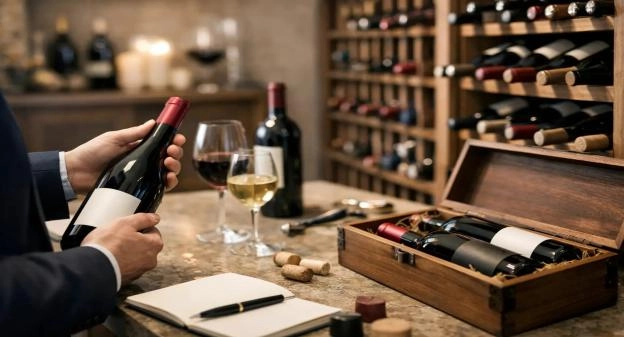
How to Build a Wine Collection With Confidence
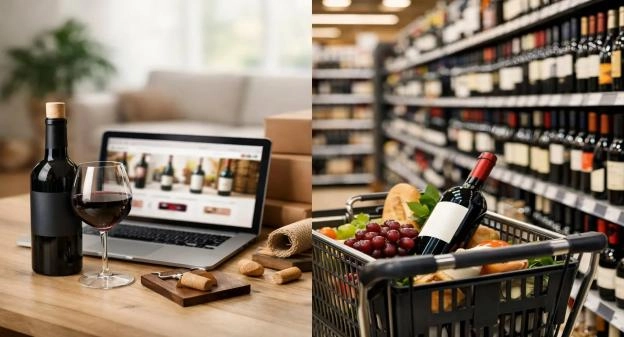
Online Wine Shop vs Supermarket: Which Wins?
How to Choose Wines Confidently
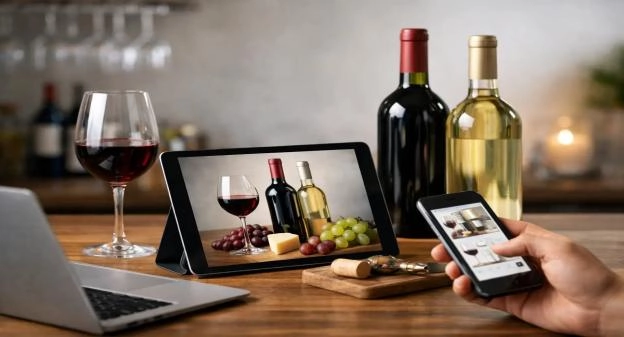
Digital Sommelier Service Guide