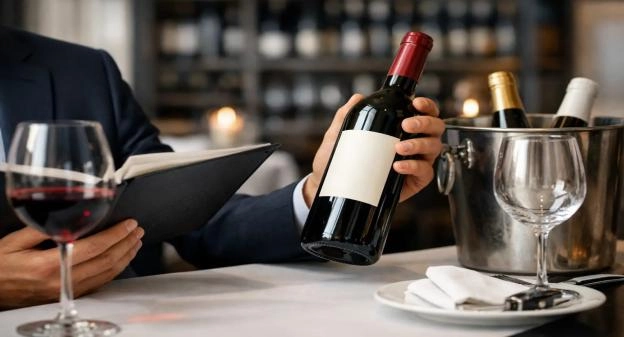


How to Find Restaurants With Good Wine Selection
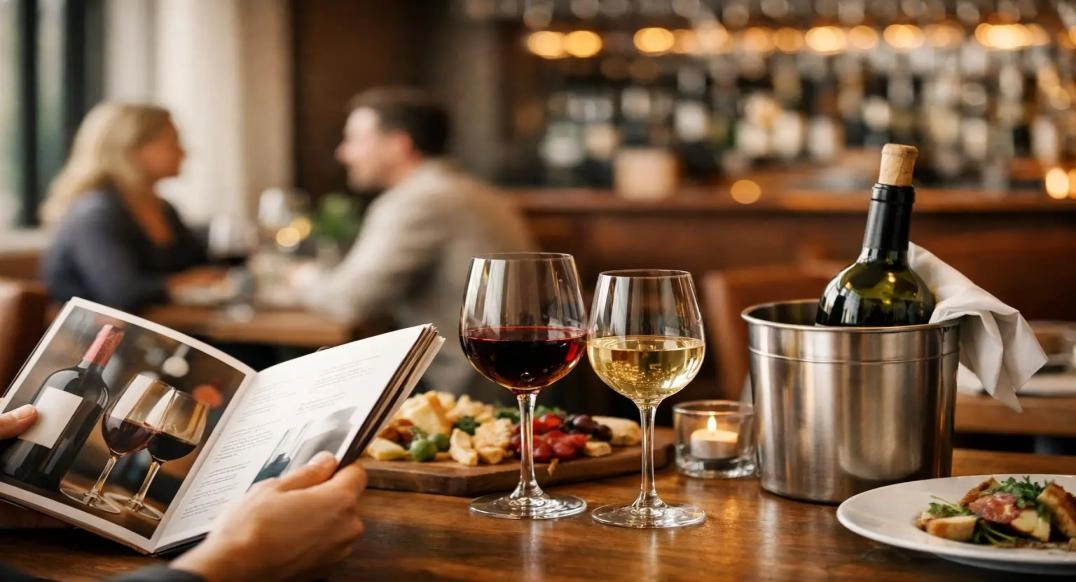
You can tell a lot about a restaurant by the way it handles wine. Not by how thick the list is or how expensive the bottles look, but by whether the choices feel considered. The best restaurants with good wine selection make you feel looked after. They help you find the right bottle for the table, the right glass for the dish, and the right level of occasion for the night.
That matters more than ever because a long wine list is not the same as a good one. Plenty of restaurants stock familiar labels, add a few luxury names, and call it a program. A genuinely strong wine selection feels intentional. It reflects the kitchen, the clientele, and the kind of experience the restaurant wants to create.
What restaurants with good wine selection do differently
A good wine program starts with editing. The strongest lists are not trying to be everything to everyone. They know where they shine. That might mean a serious Champagne section, a smart range of Burgundy, an unexpectedly good set of volcanic whites, or simply a lineup of bottles that overperform at every price point.
What separates a thoughtful list from a forgettable one is balance. You want to see recognizable producers alongside discovery picks, entry-level wines beside splurge bottles, and enough stylistic range to work across the menu. If every red is heavy and oaky or every white is neutral and safe, the list may be easy to buy but it will not be very rewarding to drink.
The by-the-glass section is often the clearest signal. If a restaurant pays attention here, chances are the bottle list is in good shape too. A few well-chosen sparkling wines, at least one crisp white with real character, one richer white, a lighter red, a fuller red, and perhaps a rosé or skin-contact option tell you someone is thinking about versatility rather than box-checking.
Start with the menu, not the cellar
If you want to choose well, look at the food first. Wine makes more sense when you understand what the kitchen is trying to do. A seafood-driven menu calls for freshness, acidity, and mineral detail. A steakhouse can support broader reds, but even there, a strong list should not stop at Cabernet. Syrah, Nebbiolo, Rioja, and mature Bordeaux all have a place when the program is well built.
This is where many diners get tripped up. They assume expensive cuisine automatically means strong wine. Sometimes it does. Sometimes it means the restaurant invested in décor, cocktails, or a celebrity chef while the wine list remained generic. The better clue is how naturally the list speaks to the menu. If the pairings feel obvious, flexible, and a little exciting, that is usually a good sign.
Restaurants that understand hospitality also avoid forcing one style of ordering. You should be able to have a glass with lunch, split a mid-range bottle at dinner, or celebrate with something rare. Good wine service makes all three feel equally welcome.
Signs the wine list is actually curated
Curation is easy to claim and harder to prove. In practice, it shows up in the details.
First, look for producer diversity. If the list leans too heavily on mass-market labels, it may have been built for convenience rather than character. A curated selection usually includes growers, smaller houses, classic regions, and a few bottles you are pleased to discover.
Second, look at pricing. High markups happen in hospitality, and that is part of the business. But a good restaurant still gives guests room to choose well without feeling punished. There should be value at multiple levels. If every appealing bottle jumps sharply in price, the list may be designed more for margin than for guest enjoyment.
Third, see whether the list has a point of view. That does not mean it needs to be obscure or academic. It means it has taste. Maybe the restaurant clearly favors elegant Old World producers. Maybe it has an unusually smart California section. Maybe the list is compact but every bottle earns its place. Point of view is memorable. Randomness is not.
Why staff knowledge matters as much as the bottle list
A great list can still underperform if nobody can guide you through it. Service is where wine becomes hospitality rather than inventory.
At the best restaurants, you do not need to speak fluent wine to order confidently. A server or sommelier asks a few useful questions. What are you eating? Do you want something bright or richer? Are you looking for a safe favorite or something new? The conversation feels easy, not performative.
This is especially valuable for guests who enjoy wine but do not want a lecture. Expertise should simplify the decision, not turn it into a test. If the staff can translate style into plain language and make a strong recommendation within your budget, the restaurant is doing its job well.
That is also why smaller lists can outperform massive ones. If the team knows every bottle, the guest experience is often stronger than at a restaurant with a 500-label binder nobody can explain.
The best restaurants with good wine selection think beyond prestige
Prestige bottles have their place. They can add excitement, anchor a cellar, and create a sense of occasion. But a wine list built only around famous names tends to feel predictable and expensive.
The more interesting restaurants mix aspiration with accessibility. They offer a few trophy wines, yes, but they are just as serious about the bottle you order on a Wednesday night. They understand that the guest who feels well guided at $85 is likely to trust them again at $250.
This is where range matters. A compelling list often includes regions and grapes that offer excellent value because they have not yet been overexposed. Think Etna instead of only Napa, Muscadet instead of another anonymous Pinot Grigio, or a polished Cru Beaujolais where others rely on generic red blends. These choices show confidence and generosity.
What to ask before you order
You do not need a sommelier vocabulary to get a better result. A few simple questions can reveal a lot.
Ask what the restaurant is especially proud of on the list. Ask which bottles pair best across several dishes. Ask what is drinking beautifully right now rather than what is merely famous. If you are ordering by the glass, ask what was selected to work with the current menu rather than what sells the fastest.
You can also ask for guidance by style instead of region. Saying you want something crisp and mineral, soft and medium-bodied, or rich without too much oak is often more useful than naming a grape and hoping for the best.
Good restaurants welcome these questions. If the answers are thoughtful and specific, you are probably in good hands.
When a shorter wine list is the better choice
There is a certain glamour to long wine lists, and sometimes that glamour is deserved. Deep cellars can be extraordinary, particularly for collectors or special occasions. But length alone is not quality.
A shorter list can be sharper, fresher, and more guest-friendly. It often means the restaurant is buying with discipline, storing properly, and updating selections with intention. It can also suggest that staff training is stronger because the team is working with a focused set of wines they know well.
For many diners, that is a better experience than paging through dozens of categories that feel repetitive. The right 60 wines will beat the wrong 600 almost every time.
How to recognize real value
Value in wine is not just about the lowest price. It is about whether the bottle delivers pleasure, fit, and a sense that someone chose it with care.
Sometimes the best value is a modestly priced bottle from a skilled producer in a less fashionable region. Sometimes it is an excellent glass pour that lets you match your wine to each course. Sometimes it is access to a mature bottle that would be hard to source on your own.
For hosts and diners who care about the full experience, this is the sweet spot. You want a restaurant that helps you drink better, not simply spend more. That is the philosophy behind every strong curated program, whether in a dining room or through a trusted wine partner like Vinoteca Cayman.
The next time you scan a wine list, look past the headline names. Notice the editing, the pairings, the range, and the confidence behind the recommendations. The right restaurant will not just have more wine. It will have better judgment, and that is what makes dinner feel elevated from the first pour.
Related Blogs
Luxury Wine Experiences That Feel Personal

How to Host a Virtual Wine Tasting at Home

Why Use a Sommelier for Better Wine Choices
How to Build a Wine Collection With Confidence
Online Wine Shop vs Supermarket: Which Wins?
How to Choose Wines Confidently

Digital Sommelier Service Guide