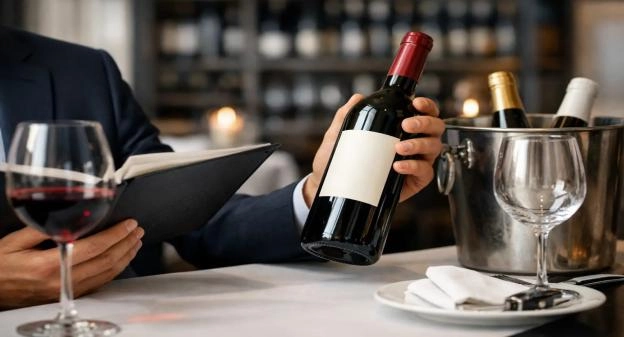


How to Choose Gift Wine With Confidence
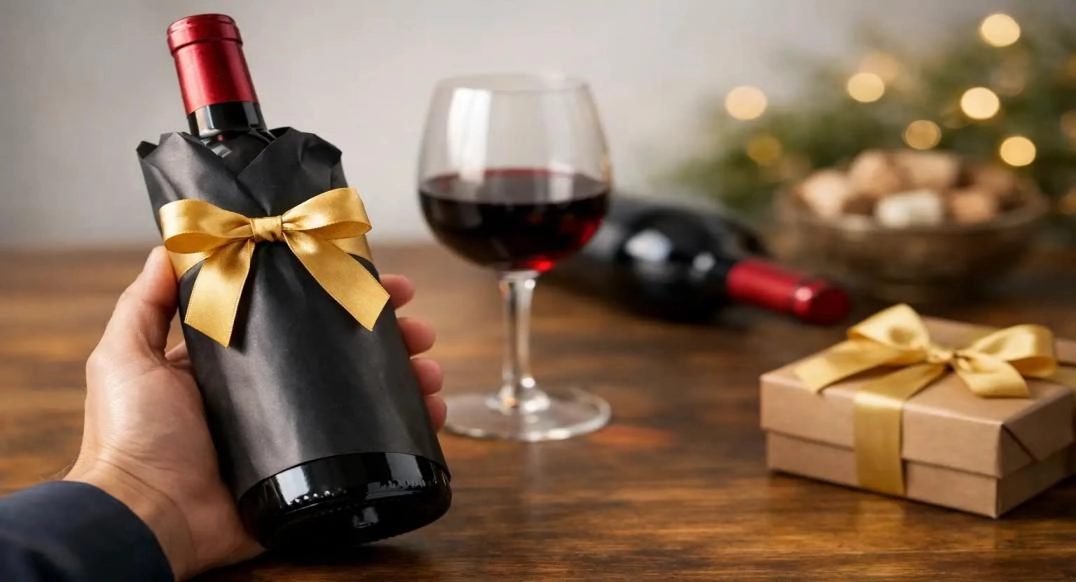
A last-minute bottle grabbed on the way to dinner rarely feels like a gift. A well-chosen bottle does. It tells the recipient you paid attention - to the occasion, to their taste, and to the mood you want the wine to create. That is really the heart of how to choose gift wine: less guesswork, more intention.
The good news is that buying wine for someone else does not require encyclopedic knowledge. In fact, the best gift bottles are often chosen with a clear sense of context rather than obscure wine trivia. If you know who the wine is for, why you are giving it, and how much you want the bottle to say, you are already most of the way there.
How to choose gift wine for the person, not just the label
The most common mistake is shopping by reputation alone. A famous region or a high price can certainly impress, but a gift feels more personal when it reflects the recipient rather than the giver's assumptions.
If they are adventurous, a distinctive bottle with a story can land beautifully. Think of a crisp volcanic white, an elegant grower Champagne, or a refined red from a less obvious appellation. If they prefer the familiar, that same instinct for discovery may feel like work. In that case, a beautifully made Napa Cabernet, white Burgundy, Sancerre, or premium Prosecco is often the smarter move.
This is where restraint matters. A gift wine should feel confident, not showy. You are not trying to prove how much you know. You are trying to choose something they will genuinely enjoy opening.
When you are unsure of their taste, start with style before region. Ask yourself whether they tend to like bold reds, fresh whites, celebratory sparkling wines, or bottles that pair easily with food. Most people can answer those questions more readily than whether they prefer Barolo to Brunello.
Start with the occasion
A birthday bottle and a thank-you bottle are not always the same thing. The occasion shapes the right level of seriousness.
For a hostess gift, versatility matters. You want something polished, crowd-pleasing, and easy to serve. Dry sparkling wine, expressive Sauvignon Blanc, or a smooth Pinot Noir usually works well because each is approachable and food-friendly.
For an anniversary or milestone, the bottle can carry more presence. This is where vintage Champagne, age-worthy Bordeaux, top-tier Burgundy, or a rare bottle from a collector's region makes sense. The point is not simply price. It is occasion. A meaningful celebration often calls for a wine with a sense of ceremony.
For corporate gifting, elegance and broad appeal usually outperform anything too eccentric. A classic producer, strong presentation, and a balanced style are safer than a highly natural, oxidative, or niche selection. Corporate gifts should feel polished and thoughtful, not risky.
And when the wine is meant to be opened at a dinner that same evening, food becomes part of the decision. Rich red meats welcome fuller reds. Seafood and lighter fare leave more room for Champagne, Chablis, or vibrant rosé. If the menu is unknown, sparkling wine is often the cleanest answer. It feels festive and adapts well.
Price matters, but not in the way people think
Many buyers get stuck here. They worry that spending too little looks careless and spending too much looks excessive. The better approach is to think in terms of appropriateness.
A bottle for a casual dinner invitation does not need to be rare. A well-made wine in a sensible premium range can feel generous without becoming awkward. For close friends, key clients, or major celebrations, a more elevated bottle is perfectly natural.
What matters most is that the wine feels chosen, not random. A beautifully curated bottle at a moderate price usually makes a stronger impression than an expensive label selected with no real thought behind it.
Presentation also carries weight. A wine with a polished label, a gift box, or a sense of occasion can feel more substantial before it is even opened. That does not make presentation superficial. It is part of the experience, especially when the bottle is being received as a gift rather than selected off a restaurant list.
The safest styles when you do not know their taste
If you are buying for someone whose preferences are a mystery, this is where confidence helps. You do not need the most unusual bottle. You need one with enough character to feel special and enough balance to be widely enjoyed.
Champagne is the classic answer for good reason. It is celebratory, versatile, and almost always well received. If true Champagne is beyond the intended budget, a high-quality sparkling wine still gives the same sense of occasion.
Among whites, Sauvignon Blanc, Chablis, white Burgundy, and dry Riesling tend to be reliable choices. They are fresh, food-friendly, and elegant without demanding too much from the drinker.
Among reds, Pinot Noir is often the safest refined option. It is versatile, usually lower in tannin, and easy to enjoy with or without a meal. If you want something richer, a polished Cabernet Sauvignon or Merlot-led blend can work well, especially for recipients who enjoy classic full-bodied reds.
Rosé can also be an excellent gift, particularly in warm climates or for socially minded recipients who love entertaining. The key is choosing a serious, dry rosé with quality and structure rather than something sweet or forgettable.
How to choose gift wine when the recipient knows wine
Buying for a wine enthusiast can feel intimidating, but it does not have to be. In many cases, experienced drinkers appreciate thoughtfulness more than trophy hunting.
A collector may already own the obvious labels. Instead of reaching for the loudest name, consider a bottle with precision, scarcity, or producer credibility. A small-production Champagne, a beautifully mature Rioja, or a limited release from a respected estate can feel more interesting than a predictable prestige pick.
There is, however, a trade-off. The more specific and collectible the wine, the more helpful it is to know their palate. Some enthusiasts love traditional, earthy reds. Others want freshness and lift. Some cellar wines for years, while others prefer bottles ready to enjoy now. If you know which kind of collector they are, your gift immediately becomes smarter.
And if you do not know, choose elegance over extremity. Balance ages better than novelty.
Avoid the common gift wine mistakes
Sweet wine is not a safe default unless you know they enjoy it. The same goes for heavily oaked whites, aggressively tannic reds, or anything chosen mainly because the label is famous on social media.
It is also worth avoiding wines that need too much explanation. A gift should feel inviting. If the bottle requires a long speech about skin contact, élevage, or why the cloudiness is intentional, it may be better suited to a tasting conversation than a gift exchange.
Vintage can matter, but not always in the way casual buyers assume. An older vintage is not automatically better. Some wines are designed to drink young, and freshness is part of their appeal. If you are not sure, choose from a reputable producer and let the style lead.
Finally, do not underestimate logistics. If the recipient is likely to open the wine soon, choose something ready to drink. If they enjoy cellaring, a younger structured red can be a lovely gesture. The best gift wine fits not just their taste, but their habits.
A gift should feel easy to receive
This may be the most overlooked part of the process. A great gift wine does not create pressure. It should feel exciting, flattering, and simple to enjoy.
That is why curation matters so much. Too many options can make wine buying feel heavier than it needs to be, especially when you are choosing on someone else's behalf. A well-selected bottle removes that friction. It says, this is good, this is right for the moment, and you can give it with confidence.
For buyers who want a more personal touch, expert guidance can make all the difference. A quick conversation about the recipient, the occasion, and your budget often leads to a better bottle than an hour of browsing ever will. That is especially true when you want the gift to feel polished without feeling generic.
At its best, gifting wine is not about chasing the most expensive name or the most complicated story. It is about matching the bottle to the person and the moment with a bit of care. If you do that well, the wine has already done part of its job before the cork is even pulled.
Related Blogs

Luxury Wine Experiences That Feel Personal

How to Host a Virtual Wine Tasting at Home

Why Use a Sommelier for Better Wine Choices
How to Build a Wine Collection With Confidence

Online Wine Shop vs Supermarket: Which Wins?
How to Choose Wines Confidently
Digital Sommelier Service Guide