

How to Bid Wine Auctions Without Overpaying
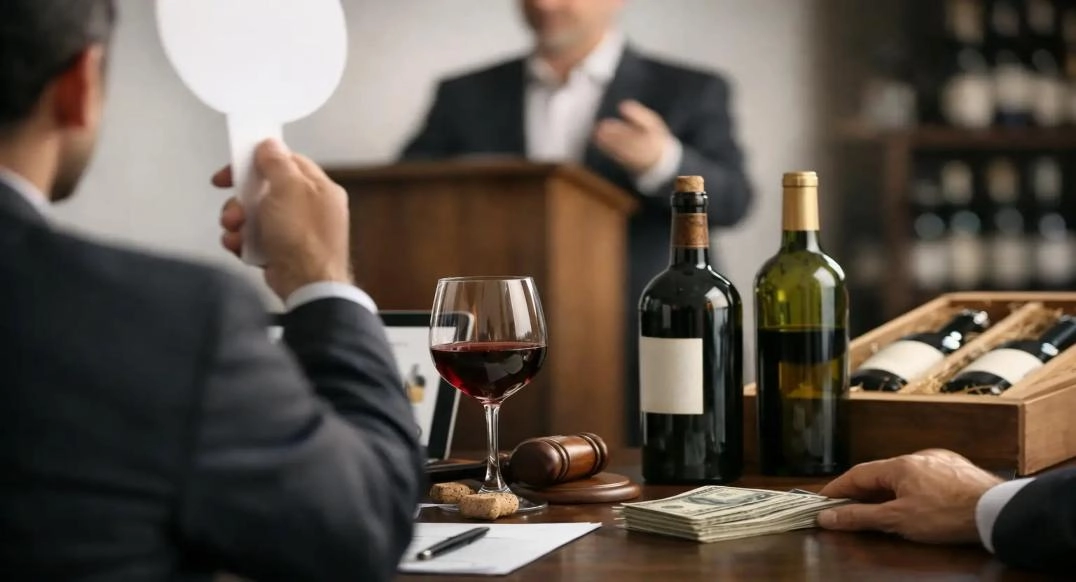
A rare bottle can do strange things to sensible people. The countdown is ticking, the bids are moving, and suddenly that Barolo you meant to watch casually has become a matter of personal pride. That is exactly why learning how to bid wine auctions well matters - not just for collectors, but for anyone who wants access to special bottles without paying more than the wine is worth.
Wine auctions can be exciting, but they reward calm buyers, not impulsive ones. The best bidders are not always the ones with the largest budgets. They are the ones who know what they want, understand the bottle in front of them, and decide their limit before the bidding gets emotional.
How to bid wine auctions with a clear plan
The smartest approach starts before the auction opens. If you enter a sale hoping to "see what happens," you are more likely to chase than choose. A better strategy is to decide whether you are buying to drink, collect, gift, or cellar. That one decision changes what a bottle is worth to you.
If you are buying to drink soon, condition and storage matter more than pristine outer packaging. If you are buying for a collection, provenance, original cases, and label condition can affect long-term value. If it is for entertaining, rarity may matter less than drinking window and guest appeal. The wine has to fit the occasion, not just the headline.
Set a target list before you bid. Pick a first-choice lot, a backup, and a price ceiling for each. This keeps you flexible without becoming reactive. In practice, it also helps you avoid spending your full budget on the first attractive bottle you see.
Know the full price, not just the hammer price
One of the most common mistakes in wine auctions is focusing only on the current bid. The winning number on screen is not always the final amount you pay. Buyer’s premiums, taxes, storage charges, and delivery costs can shift the real total quickly.
That matters most when you are bidding near your limit. A bottle that feels like a good buy at one number may look less attractive once fees are added. Before placing a bid, calculate your all-in cost. It is a small step, but it protects you from the kind of overspend that dulls the pleasure when the wine arrives.
What to check before bidding on a bottle
Auction buying is not retail. You are not simply choosing a wine by producer and vintage. You are judging that specific bottle or lot.
Start with provenance. Where has the wine been stored, and how has it changed hands? A great label with uncertain storage is a risk. Heat exposure, poor humidity control, or long periods in unsuitable conditions can quietly damage a wine that still looks impressive in a catalog.
Fill level is another detail worth understanding. In older bottles, a slightly lower fill can be normal. In younger wines, it may be more concerning. Label damage, capsule condition, seepage, and signs of leakage all tell part of the story. None of these details automatically make a bottle a bad buy, but they should influence what you are willing to pay.
If a lot includes multiple bottles, check whether they are all in similar condition. One pristine bottle in a mixed lot does not guarantee the rest are equally strong. If the auction platform provides inspection notes, read them carefully. If not, ask questions. A premium bottle deserves premium scrutiny.
Vintage reputation matters, but context matters more
Many buyers lean heavily on vintage charts, and they can be useful. Still, vintage quality is only part of the equation. Producer reputation, storage history, bottle format, and the wine’s stage of evolution all matter just as much.
A celebrated vintage from a weaker producer is not always the better buy. Nor is an older bottle automatically more desirable than a younger one. Some wines are at their most generous in a narrower window than people expect. Others need patience and reward it beautifully. If you are unsure, expert guidance can save you from buying a wine for the wrong moment.
How to bid wine auctions without getting caught up in the room
Auctions create momentum by design. Whether the format is live, timed, or online-only, the psychology is similar. Scarcity, speed, and visibility push people to bid more aggressively than they intended.
The simplest defense is to decide your maximum bid in advance and treat it as final. Not flexible. Not almost final. Final. If the bidding moves beyond that number, let it go. Another bottle always comes along. What does not come back is the discipline you lose once you start inventing reasons to stretch.
Some buyers prefer placing an early maximum bid and walking away. Others wait until late in the sale to avoid encouraging competition. Both approaches can work. Early bidding can secure a lot below your maximum if interest stays low. Late bidding can reduce the time available for others to respond. The better method depends on the auction format and how comfortable you are with fast decisions.
If you know you are prone to competitive bidding, remove friction in your own favor. Bid from a quiet place. Avoid multitasking. Keep your notes nearby. The goal is to make a clean decision, not an adrenaline-fueled one.
When to walk away
Walking away is not losing. It is part of buying well.
If the provenance is vague, if condition notes raise questions, or if fees push the total beyond retail market logic, let the lot go. The wine world is full of beautiful bottles. There is no need to force a purchase simply because the auction makes the opportunity feel rare.
The same applies when a bottle no longer fits your purpose. A wine bought for a future dinner party should not become a speculative purchase halfway through bidding. Stay close to your original reason for buying. It keeps your cellar more coherent and your spending more intentional.
Smart bidding for beginners and experienced buyers
If you are new to auctions, start with producers and regions you already understand. Familiarity helps you judge value more accurately. It also makes condition notes easier to interpret because you know what the wine should cost, how it tends to age, and whether the bottle belongs in your drinking plan.
Experienced buyers often make a different mistake. Confidence can lead to assumptions, especially with famous names. Prestige does not remove the need for diligence. Even blue-chip wines deserve the same attention to storage, fees, and timing as lesser-known lots.
A useful middle ground is to keep a small amount of curiosity in your strategy. Have one bottle you know well and one you are exploring. That way, auctions become both a source of confidence and discovery.
Think beyond the trophy bottle
Not every great auction buy is headline-making. Large formats for entertaining, mature whites from strong producers, back vintages of reliable estates, and mixed lots can all represent excellent value. Buyers often focus hardest on the most famous names, which means quieter categories may offer better opportunities.
This is where a curated perspective helps. A bottle does not need to be the loudest one in the sale to be the smartest purchase for your table. Sometimes the most satisfying win is not the rarest wine. It is the wine that arrives exactly when you want to drink it and feels worth every dollar.
The best auction habit: buy with purpose
The buyers who enjoy auctions most tend to have a point of view. They are not bidding to win for the sake of winning. They are building a cellar with intention, sourcing memorable bottles for hosting, or finding wines they may not see in standard retail channels.
That sense of purpose is what keeps auction buying enjoyable. It turns the experience from a contest into a form of curation. For clients who value access, trust, and a bit of excitement, that is where wine auctions become genuinely rewarding.
If you want to sharpen your approach, keep records of what you bid on, what you won, and what you later thought the bottle was truly worth. Over time, patterns emerge. You will notice which regions tempt you into overbidding, which formats offer value, and which wines are better admired than chased. At Vinoteca Cayman, that blend of pleasure, judgment, and personal guidance is what makes the auction experience feel elevated rather than overwhelming.
The best bottle is rarely the one that made your pulse race for ten minutes. It is the one you are still happy to have bought when the moment comes to open it.
Related Blogs

Luxury Wine Experiences That Feel Personal
How to Host a Virtual Wine Tasting at Home
Why Use a Sommelier for Better Wine Choices
How to Build a Wine Collection With Confidence
Online Wine Shop vs Supermarket: Which Wins?
How to Choose Wines Confidently
Digital Sommelier Service Guide